Breaking Down the New Government Budget: What You Need to Know
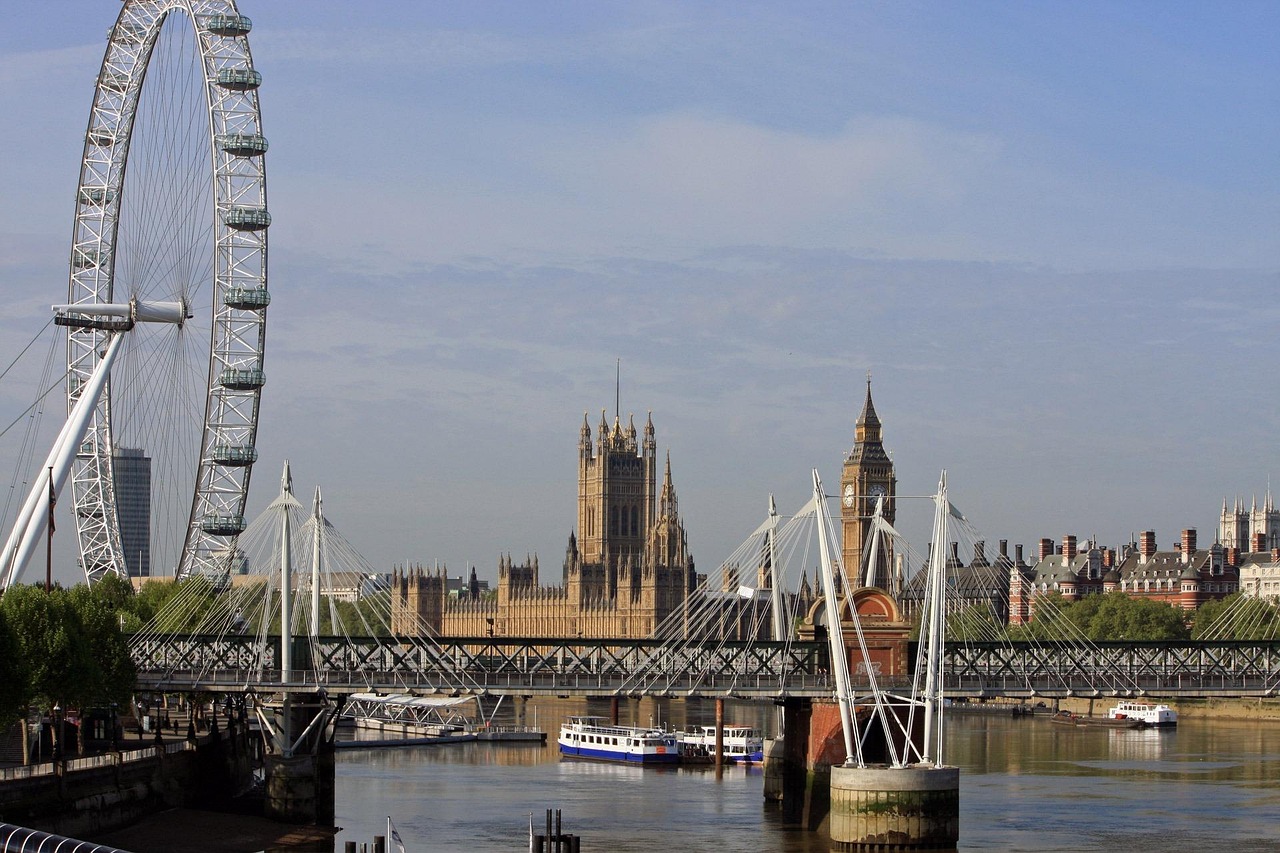
Hey everyone! Welcome back to the blog. Today, we are diving straight into the fresh financial updates coming out of Westminster. Chancellor John Healey just dropped the government’s major tax and spending plans, marking the very first budget since Andy Burnham stepped into the role of prime minister. There is a lot to unpack here, from energy bills and pensions to support for businesses and local communities, so let’s break down the key points together and see what this actually means for everyday folks.
Let’s kick things off with energy costs, because that’s usually what everyone checks first. To help roughly 20 million households in England deal with rising energy bills, there is a one-off payment of £100 on the way for homes in council tax bands A through D. Of course, equivalent funding is set to roll out for Scotland, Wales, and Northern Ireland too. On top of that, those pesky standing charges—meaning the fixed daily fees you pay just for having a gas connection, no matter how much you use—are going away for household gas bills in England, Scotland, and Wales, with those costs shifted over to the unit rate instead.
There are a few more energy relief measures on the list. The VAT cut on electricity bills, which was supposed to wrap up in April, is now being extended through July. Meanwhile, a green levy known as the Gas Shipper Obligation, which normally funds hydrogen projects, is being lifted off energy bills entirely and moved onto general taxation. And speaking of keeping things steady, the freeze on fuel duty is getting another extension until July, giving drivers a bit of extra breathing room.
Shoppers and drivers will also notice a few tweaks to import taxes. More than 100 food products—think items like gherkins and marmalade—will have their import taxes removed, alongside kerosene and fertilisers. For people who drive for work, the tax-free mileage rate of 55p per mile for driving up to 10,000 miles is becoming permanent, and for anyone logging miles above that distance, the rate jumps from 25p per mile up to 35p.
Businesses aren’t being left out of the conversation either. A brand new scheme is launching in April to take 25% off electricity bills for 10,000 firms, and these payments will even be backdated for energy costs racked up this year. When it comes to business rates, the threshold for High Street shops in England starting to pay them is heading up from £12,000 to £18,000. That means businesses will completely dodge rates on properties with a rateable value below that new mark. Just keep in mind that adult games centres and vape shops won’t qualify for this specific business rates relief.
On the retail compliance side, requirements for online marketplaces like Amazon, eBay, and Temu are getting stronger to stop third-party sellers from dodging VAT. At the same time, banks are facing a higher profit surcharge, rising from 3% to 6% starting in January for a 15-month period. Gambling machines are also seeing tax increases, moving from 20% to 25% for higher-stakes setups.
Now, let’s talk about pensions, wages, and benefits, which always grab a ton of attention. Under the triple lock policy, the new flat-rate state pension is climbing by £488 a year starting in April, which equals a 3.9% increase. The older basic state pension is also getting a bump, rising by £374.40. To protect low-income pensioners, a new tax-free allowance is being introduced so that anyone with income up to the value of the full new State Pension won’t have to pay income tax on it.
For workers earning a legal minimum wage, a 3.9% increase is scheduled for April. Unpaid carers get some long-overdue relief too: they won’t lose their entire Carer’s Allowance anymore if they bring in more than £204 a week after tax, as a taper rate is finally being introduced. Plus, parental pay is expanding to include self-employed fathers and parents in same-sex couples.
Housing and local communities are seeing a cash injection as well. England is getting an extra £1 billion for social and affordable housing, pushing the total funding for this 10-year program past the £40 billion mark. There is also an additional £432 million dedicated to a program designed to give every rough sleeper in England a route off the streets by Christmas.
Local government is getting some fresh powers and financial flexibility. By the end of the decade, all business rates will be retained locally, with mayors keeping 20% of that revenue starting next year. From 2028, a share of income tax receipts will also flow directly to mayors. Regional bodies and mayors in England are gaining broader spending powers, kicking off with £285 million next year for things like housing, transport, and High Streets. Plus, the government is collaborating with mayors to design a £1.5 billion borrowing facility to help fund larger investment projects.
Looking at defense and international support, the Defense Investment Plan is set to be fully funded by reprioritizing budgets across government departments, following Sir Keir Starmer’s initial commitment of £10.3 billion toward the £15 billion plan. The government also plans to outline how it will meet its NATO commitment to spend 3.5% of GDP on defense by 2035 during next year’s Spending Review, while setting a target date of 3% for 2030. Alongside this, an extra £10 billion is being allocated for economic and military support for Ukraine.
One major sigh of relief for savers: the amount people can tuck away into tax-free cash ISAs (Individual Savings Accounts) stays right at £20,000 a year, meaning the proposed plans to drop that limit down to £12,000 for people under 65 have officially been scrapped.
Finally, technology and social initiatives received some notable funding nods. Over £600 million is heading toward artificial intelligence (AI) projects, which includes an extra £120 million for the UK’s AI Security Institute and £100 million for a national AI Biosecurity Lab. Last but not least, a £15 million fund is being set up to tackle misogyny in schools, workplaces, and local communities.
Phew, that is quite the massive list of updates! What do you all think about these changes? Drop your thoughts or questions in the comments below, and make sure to subscribe if you want to keep up with everything happening in Westminster and beyond.
source: feeds.bbci.co.uk (www.bbc.co.uk)
Foto oleh No-longer-here di Pixabay
