The 2024 Presidential Alternative Many Voters Might Actually Want
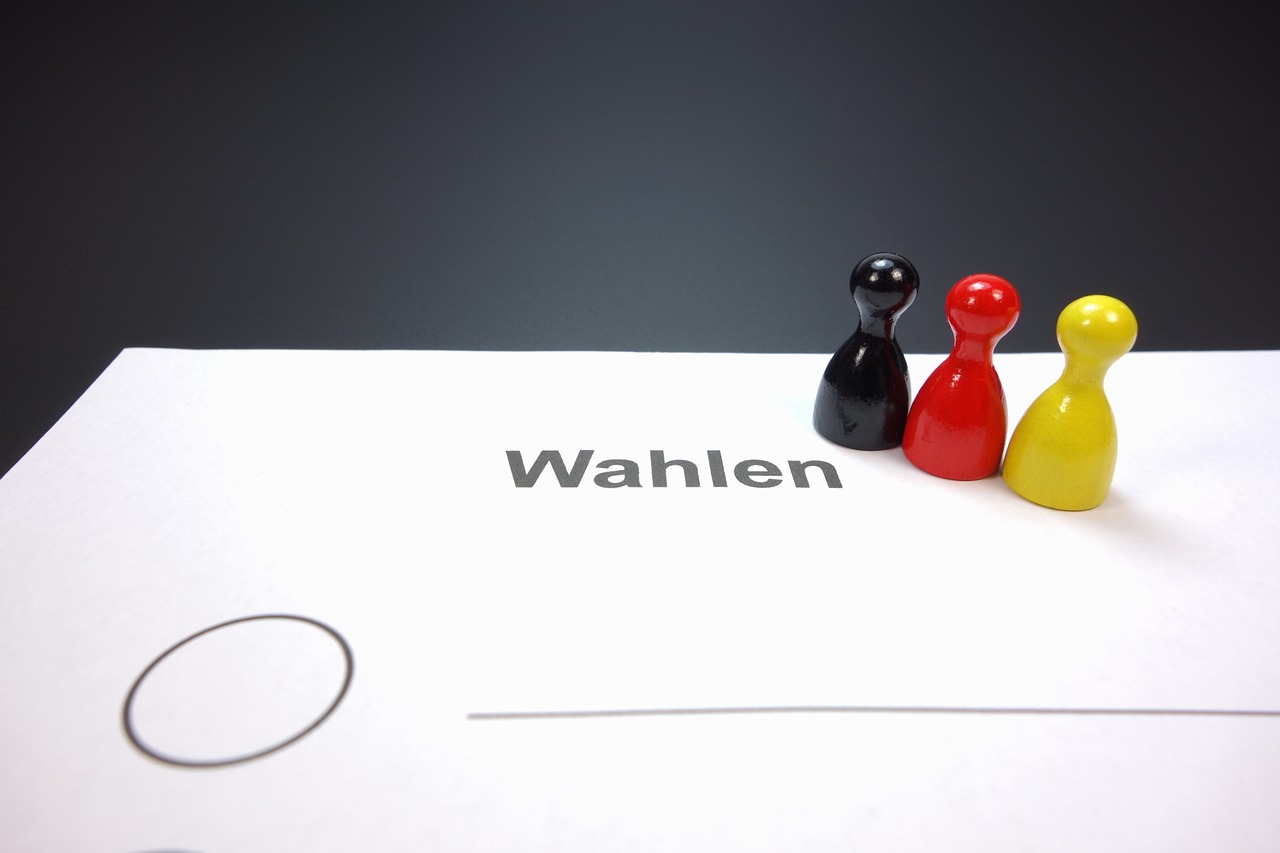
Hey everyone! Welcome back to the blog. Today, we are taking a little dive into what is going on behind the scenes as the United States gears up for another massive presidential election cycle. If you are anything like me, you probably look at the current political landscape in Washington, DC, and feel a heavy dose of exhaustion. It feels like the two major parties are just constantly at each other’s throats, completely unable to compromise on the big things that actually matter to everyday people.
Well, someone who knows a thing or two about how the American political machine works has been speaking out about this. Former US Senator and vice-presidential nominee Joe Lieberman recently shared some thoughts on why the 2024 election might look a bit different, and why a lot of voters are actively searching for an alternative to the usual red-versus-blue showdown.
Let’s take a quick trip down memory lane first. Back in 2000, Lieberman was the Democratic nominee for vice president alongside Al Gore. During that race, Ralph Nader ran a third-party campaign. Nader’s argument back then was that the Democrats and Republicans were basically identical. Looking back, Lieberman points out that argument was completely baseless—there were huge policy differences between George W. Bush and the Democratic ticket. Nader’s real goal wasn’t fighting a two-party system; he mostly just wanted to pull the Democrats further to the left. As we all know, that third-party run ended up shaking up the results in a major way.
Fast forward to today, and nobody can seriously claim the two major parties look the same. If anything, the exact opposite is true. The core issue right now is that Washington is way too divided. Both sides are entrenched in their corners, refusing to budge on massive issues like immigration, the national debt, and other critical matters. Even though the vast majority of regular citizens wish the two sides would just sit down and work together on practical solutions, partisan stubbornness keeps getting in the way. Since Republicans currently control the House and Democrats hold the Senate, bipartisanship isn’t just a nice idea anymore—it is literally the only way to pass any laws at all.
So, how do we fix a political system that feels completely broken? Lieberman argues that the first real step is giving voters a genuine alternative when they step into the voting booth in 2024. Ordinarily, Americans only have two viable choices: the official Democratic nominee and the Republican nominee. But what if there was a third option?
Getting a third option onto the ballot isn’t easy, though. The rules are complicated, take a ton of time, and change completely depending on which state you are in. It is an uphill battle, to say the least.
This brings us to an organization called No Labels, a nonprofit group where Lieberman serves as a co-chair. Since early 2022, their team has been quietly grinding away across the country, trying to secure ballot access for a potential 2024 run. Usually, this means gathering massive numbers of petition signatures from everyday voters in individual states.
If they pull it off, the idea is to present a “unity ticket” to the American people. This ticket wouldn’t be two Democrats or two Republicans. Instead, it would feature a Democrat running for president and a Republican for vice president—or vice versa. It would sit right there on the ballot alongside the major party candidates.
The folks behind this effort like to describe it as an insurance policy for the country. It is an option meant to be used if, and only if, the two major parties fail to nominate candidates that everyday people actually want to vote for, or if voters simply want a way out of the exhausting partisan fighting. They are constantly keeping an eye on public opinion polls and running their own research to figure out if and when that trigger should be pulled.
Now, Lieberman is quick to point out that this is totally different from what Nader tried to do two decades ago. For one thing, because a No Labels ticket would feature one Democrat and one Republican, it wouldn’t just pull votes away from a single side. It could draw in voters who might have leaned left, voters who might have leaned right, and folks who wouldn’t have voted for either major party at all.
These potential candidates wouldn’t just be picked behind closed doors, either. They would be chosen by a diverse group of everyday citizens and formally approved by delegates at a national convention planned for April 2024. That convention would take place a few weeks after “Super Tuesday” primaries in March, which is usually the point when the major parties figure out who their nominees are going to be.
Another major difference is the goal. This isn’t about pushing Democrats further left or dragging Republicans further right. The whole point is to force at least one of the major parties to wake up and appeal to America’s massive commonsense majority. If they refuse to do that, the alternative ballot line provides an opening for a unity ticket that actually will.
Recent polling from CNN gives us some clues as to why this might actually have a shot. The number of people identifying as independents is growing rapidly, making up about 41% of the electorate. Compare that to the roughly 28% who call themselves Democrats and 31% who identify as Republicans. Those numbers suggest there might genuinely be a path to victory for an independent unity ticket.
Of course, if the data shows down the road that there is no real path to winning, No Labels has said they will stand down. Instead of pushing a doomed presidential run, they would pivot back to what they have spent the last decade doing: supporting and organizing members of Congress in both the House and Senate who actually have the courage to cross party lines and work together.
Interestingly enough, we might already be seeing some hints that the traditional parties are feeling the pressure. President Joe Biden recently signed a Republican-led measure to block a local Washington, DC, crime bill, and his administration has also rolled out tighter border control measures. Whether you agree with those specific policies or not, it certainly looks like an attempt to appeal to that broader, more moderate middle.
The big hope is that the various candidates fighting for the Republican nomination will also realize they need to reach out beyond their most loyal base instead of leaning purely into divisive politics.
At the end of the day, the people pushing for this alternative would actually prefer not to use their insurance policy at all. They want the two major parties to come to their senses and start serving the public properly. But judging by how nervous and defensive party strategists get whenever this idea is brought up, one thing is already clear: party leaders know there is a real political price to pay for ignoring the commonsense majority. And honestly, just knowing that might give us all a little bit of hope for the future of the country.
What do you guys think? Would you consider voting for a bipartisan unity ticket if you weren’t happy with the main choices, or do you think third-party runs just cause too much chaos? Let me know your thoughts in the comments below, and I will catch you in the next post!
source: rss.cnn.com (www.cnn.com)
Foto oleh blickpixel di Pixabay