Canada Set to Join the European Union as an Associate Member
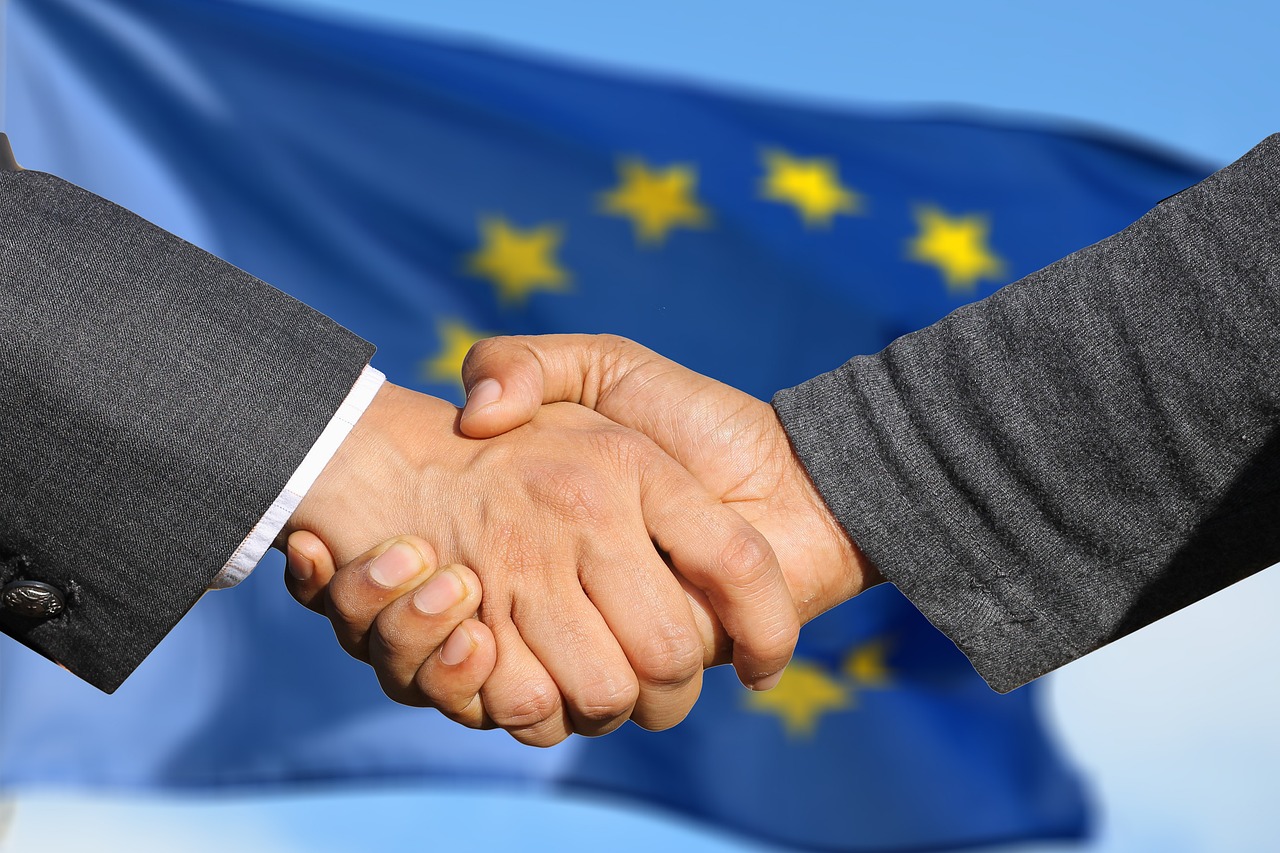
Hey everyone, welcome back to the blog! We always talk about how fast-changing global politics can be, and honestly, a brand new headline just caught my attention. If you’ve been keeping an eye on international relations, you know that leaders are always looking for ways to boost their economies and find new allies. Well, the Canadian prime minister just made a massive move that is definitely going to shake things up on the world stage.
In a bold strategy to pivot away from relying so heavily on its southern neighbor, the Canadian leader has officially committed the country to becoming the European Union’s very first “Associate Member.” Yep, you read that right! It’s a fascinating development, and it really got me thinking about what this means for global trade and international influence moving forward.
Shaking Up Traditional Alliances
Let’s be real for a second—geographic neighbors are usually your biggest trading partners, and for Canada, that has traditionally meant the United States. But as we all know, putting all your eggs in one basket can sometimes come with a few risks. Political landscapes change, trade policies shift, and leaders are constantly trying to protect their national interests.
According to the latest reports, this new initiative is a direct part of the Canadian prime minister’s broader effort to dial back American influence over the country. Instead of keeping things status quo, the plan is to aggressively expand trade and diplomatic ties to other parts of the world. And what better place to start than across the Atlantic Ocean with the European Union?
What Does Being an “Associate Member” Actually Mean?
Now, I know what you might be thinking: Can a country in North America actually be part of the European Union? Well, the term being used here is “Associate Member,” which suggests a unique kind of partnership tailored specifically for Canada. While full EU membership usually comes with strict geographic and political criteria, this special status is clearly designed to forge a deeper economic and strategic bond without turning Canada into a standard European nation.
Even though the details are still rolling in, the core motivation is crystal clear. By locking in this kind of close relationship with Europe, Canada is essentially opening up a massive new playground for its businesses, exporters, and policymakers. It’s a strategic diversification move, plain and simple.
Expanding Horizons and Global Trade
Trade is the lifeblood of any modern economy, and diversifying where you buy and sell goods is just smart business. By reaching across the ocean to deepen connections with the EU, Canada is positioning itself as a more globally minded player. It reduces vulnerability to any single economic superpower and gives Canadian industries a wider net to cast when looking for new markets.
We’ve seen trade agreements come and go over the years, but this feels a bit different. Seeking associate membership status is a heavy-duty political signal. It tells the world that Canada is actively redesigning its foreign policy playbook to prioritize multilateral partnerships and European markets.
What Happens Next?
Of course, big political announcements like this are just the beginning of a very long process. Negotiating the terms of an associate membership with a massive entity like the European Union is no walk in the park. There will be countless meetings, policy debates, and bureaucratic hurdles to clear before anything becomes official.
Plus, it will be really interesting to see how this is received domestically within Canada, as well as how the United States reacts to a close neighbor consciously trying to dilute American influence. Politics is never boring, that’s for sure!
What do you all think about this move? Is it a brilliant strategy for Canada to stand on its own two feet globally, or is it too ambitious? Drop your thoughts in the comments below, and let’s talk about it. As always, I’ll keep monitoring this story and bring you updates as soon as more details drop. Thanks for reading, and I’ll catch you in the next post!
source: nytimes.com (www.nytimes.com)