Digging Up Vietnam’s Fallen Soldiers: Healing Wounds or Opening Old Scars?
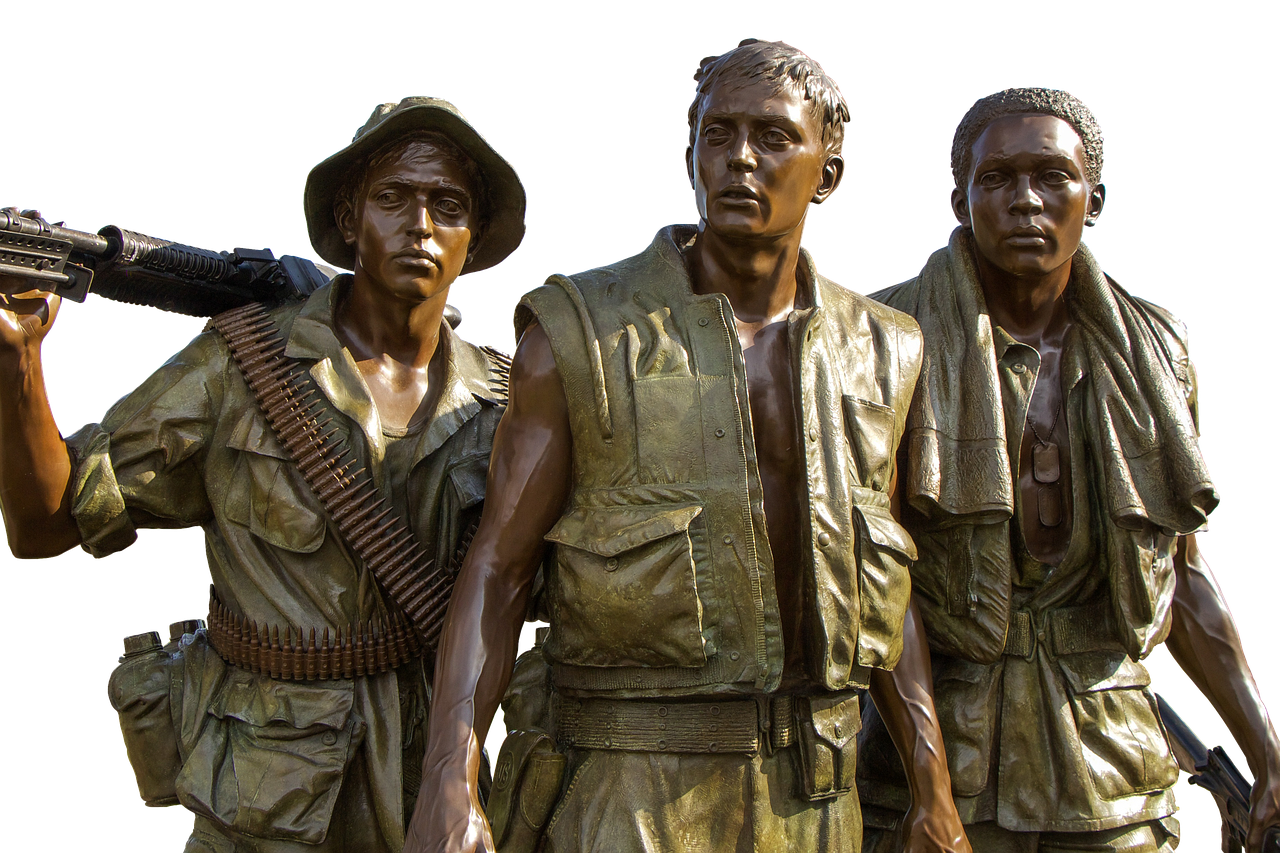
Hey there, history buffs and news explorers! Welcome back to the blog. Today, we’re diving into a deeply emotional and complex story coming out of Vietnam. It’s a topic that deals with the ghosts of the past, the relentless march of time, and the very real human cost of a conflict that still echoes today. Grab a cup of coffee, settle in, and let’s talk about what’s happening on the ground in Vietnam right now.
We all know that wars end when the treaties are signed and the politicians shake hands, but for the families left behind, the war sometimes never truly ends. Decades after the fighting stopped, the physical landscape of Vietnam is still hiding the remains of countless soldiers who never made it home. It’s a haunting legacy, and dealing with it is no simple task.
The Massive 500-Day Mission
Recently, a massive 500-day campaign kicked off with a very specific and solemn goal: to search for, unearth, and finally identify the fallen soldiers who were lost during the war. Imagine the sheer scale of that undertaking. We are talking about combing through dense jungles, rugged terrains, and former battlefields where nature has long since reclaimed the land.
As part of this intense effort, teams have successfully recovered hundreds of bodies. For a country with such a heavy historical burden, every single set of recovered remains is a milestone. It represents a lost son, a brother, a father, or a friend finally being pulled out of the anonymity of the wilderness.
The campaign isn’t just about moving dirt and finding bones; it’s a meticulous scientific and emotional process. Forensic work, historical records, and sometimes even memories passed down through generations are stitched together to figure out who these brave individuals were. It takes time, patience, and a whole lot of heartbreak.
When Closure Remains Out of Reach
Now, you would think that finding a loved one and bringing them home would automatically bring peace, right? Unfortunately, real life is rarely that simple or neat. The heartbreaking reality of this massive excavation campaign is that not everyone gets that sweet taste of closure.
Think about it. In a conflict as devastating and chaotic as the Vietnam War, record-keeping wasn’t always top-notch. Many soldiers went missing in remote areas with no witnesses to their final moments. Even when bodies are recovered, matching DNA or finding surviving relatives decades later can be an absolute needle-in-a-haystack situation.
Because of this, many families are left in a painful limbo. They hear about the campaign, they see the news of hundreds of bodies being unearthed, and they are left wondering and hoping: Is that my ancestor? Will we ever know? For these families, the search efforts can sometimes feel like a double-edged sword, teasing the possibility of peace while keeping the uncertainty alive.
Healing Wounds or Reopening Old Scars?
This brings us to the big, heavy question at the heart of this entire situation: Will digging up Vietnam’s war dead heal old wounds, or will it just reopen them?
On one hand, you have the argument for healing. For decades, the families of the missing have lived with a profound void. Not knowing what happened to a loved one, not having a grave to visit, and not being able to perform proper traditional final rites is a heavy burden to carry in Vietnamese culture, where honoring ancestors is deeply important. Bringing these soldiers home provides a tangible place for grief, remembrance, and ultimately, national reconciliation. It says to the fallen and their families: You are not forgotten.
On the other hand, we have to look at the emotional toll. For some, unearthing the past drags raw, painful memories back to the surface. It forces communities to relive the trauma of a war that they have spent decades trying to move past. When an excavation turns up empty, or when a family realizes their loved one wasn’t among the recovered, the disappointment can feel like a fresh wave of grief.
It’s a delicate tightrope between honoring history and dwelling in sorrow. The government and the people involved in these recovery missions carry an immense weight on their shoulders, trying to bring comfort to a nation that is still very much healing.
Reflecting on the Human Cost
Stories like this always remind us that history isn’t just a collection of dates in a textbook. It’s made up of real people, shattered families, and enduring grief that transcends generations. Whether these recovery efforts ultimately heal old wounds completely or simply scratch at the surface of deep scars, one thing is certain: the desire to bring our people home is a universal human impulse.
As this 500-day campaign continues to unfold, we can only hope that it brings answers and peace to as many families as humanly possible, while the country continues to navigate its complex and poignant history.
What do you guys think? Is the painful process of digging up the past worth the chance at closure, or should some ghosts be left to rest? Let me know your thoughts in the comments below. Thanks for reading, and I’ll catch you in the next post!
source: nytimes.com (www.nytimes.com)