From State President to Rebel Leader: The Remarkable Return of Joseph Kabila
Hey there, fellow news junkies! If you think politics in your home country can get a bit wild, let me tell you about a plot twist coming straight out of the Democratic Republic of Congo that sounds straight out of a political thriller movie. We are talking about Joseph Kabila, a man who once ruled the entire nation as president, and has now decided to step back into the spotlight as—wait for it—a rebel leader.
Now, politics in the DRC has always been a bit like a game of musical chairs where the rules change every five minutes and alliances dissolve faster than cotton candy in the rain. But Kabila’s latest move takes things to a whole new level. At 55 years old, he has been officially named the leader of a group called the Front for the Refoundation of the Nation (FRN). What makes this extra spicy is that the person he is trying to kick out of office is none other than President Félix Tshisekedi—the exact same guy Kabila handed power over to after stepping down from his 18-year run at the top.
To make the soap opera even messier, Kabila previously formed a political coalition with Tshisekedi after leaving office. But things soured, partnerships broke apart, and Kabila eventually found himself facing a death sentence in absentia after a military court convicted him of treason and financing violence. Facing very few options to claw his way back into political relevance, policy experts say Kabila decided to take a massive gamble by aligning with the M23 rebels.
For the M23 movement, having a former head of state on their side brings serious networks and deep experience, even if their military successes in the mineral-rich eastern part of the country haven’t quite translated into widespread national love. Meanwhile, for Kabila, it looks like a desperate path to reclaim the power and influence he lost.
A Country Built on Mineral Wealth and Shifting Alliances
If you aren’t super familiar with the DRC, it is a massive country packed with incredible natural treasures. We are talking about jaw-dropping deposits of gold, diamonds, and critical minerals that go into everything from our everyday mobile phones to the batteries powering electric vehicles. Because the stakes are so high, the political games played here carry massive global weight.
Kabila’s history with power runs deep in his family. Back in 1997, he was a commander in the rebel alliance that helped his father, Laurent Kabila, march across the country and overthrow long-time ruler Mobutu Sese Seko. After his father was mysteriously assassinated in 2001, Joseph took over the presidential seat. However, because he spent a lot of time growing up and operating in the east—where Swahili is the main language—he was sometimes viewed as an outsider in the capital city of Kinshasa, where Lingala is spoken.
Now, Kabila is pointing fingers at the current administration, accusing President Tshisekedi of acting like a tyrant and ignoring the country’s constitution. He’s even invoked a specific section of the constitution that calls on citizens to stand up against anyone abusing power. Kabila claims the government is using the death penalty to scare political opponents and civilians alike.
Can They Actually Pull It Off?
Before you pack your bags for a regime change, analysts are quick to point out that overthrowing Tshisekedi is going to be an uphill battle. Experts note that the current president still holds heavy advantages: he’s got strong international backing, plenty of financial resources, and tight control over both the political and military systems.
Tshisekedi didn’t hold back when reacting to the news of Kabila’s new rebel alliance either, bluntly telling the public that it simply proves Kabila never truly cared about the country or its people. Harsh words, right?
Interestingly enough, leaked election results and statements from former election officials suggest that Kabila actually helped engineer Tshisekedi’s rise to power back in the disputed 2018 elections. The two men initially set up a power-sharing deal that kept Kabila’s allies happy in parliament, but that fragile peace completely collapsed by late 2020 when Tshisekedi moved to build his own independent majority. That fallout sent Kabila into a self-imposed exile in South Africa before he eventually popped back up in rebel-held territory.
As this wild political drama continues to unfold, even other opposition coalitions are hesitant to fully back Kabila’s sudden pivot to armed rebellion, arguing instead for inclusive national dialogues rather than more military conflict. Whether this high-stakes gamble will blow up in Kabila’s face or actually reshape the political landscape of Central Africa is anyone’s guess. One thing is for sure: we’ll definitely be keeping an eye on how this story develops. Catch you in the next update!
source: feeds.bbci.co.uk (www.bbc.co.uk)
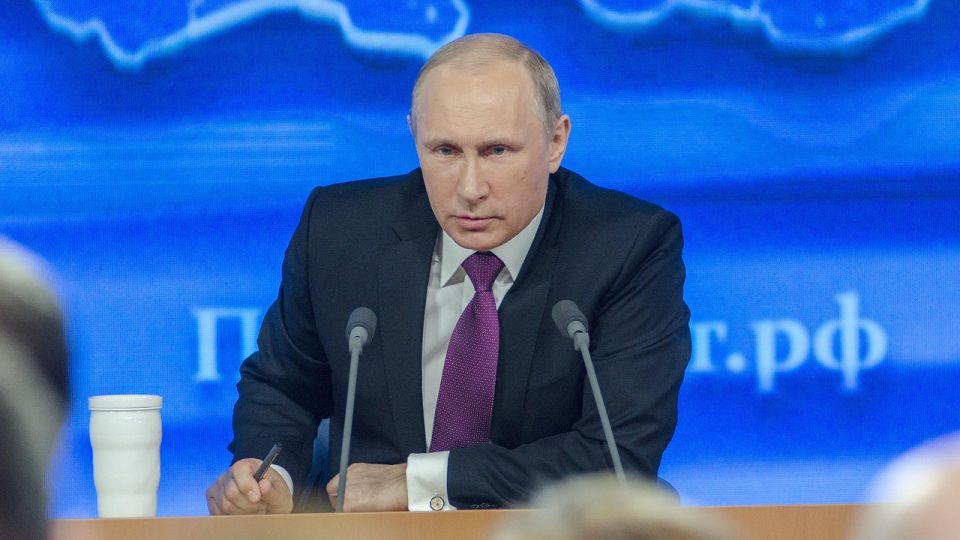
Photo by DimitroSevastopol on Pixabay


