The Devastating Toll of DR Congo’s Worst Ebola Epidemic
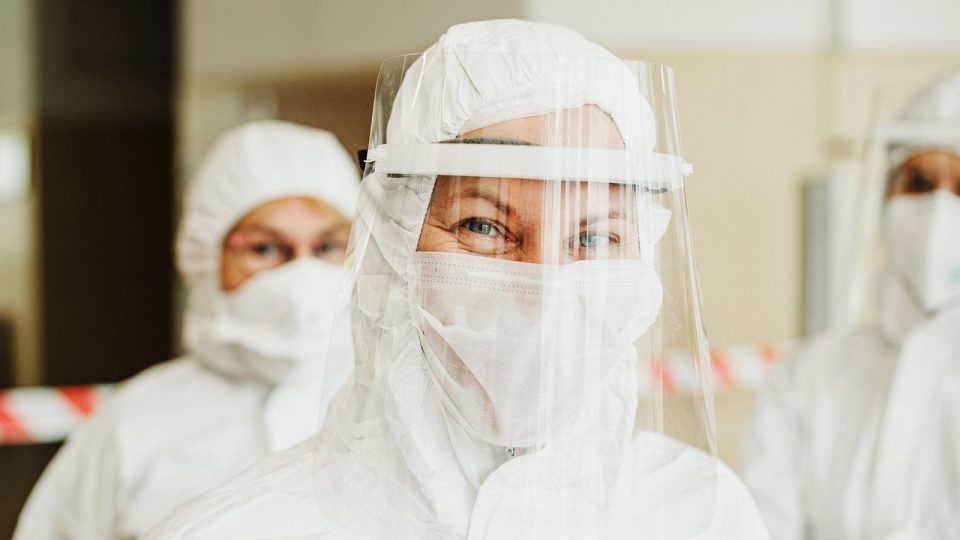
Hey everyone, welcome back to the blog. Today, we need to talk about a deeply heartbreaking situation unfolding in the Democratic Republic of Congo. As you might have been following from various health updates, the ongoing Ebola outbreak there has officially crossed a grim milestone, claiming more than 5,000 lives according to government data.
This is honestly heavy news to digest, especially when we look at how fast the virus is moving and the immense challenges health workers are facing on the ground. Let’s break down what’s actually happening based on the latest reports.
A Grim Milestone in DR Congo
If you’re wondering just how far-reaching this current crisis is, the numbers paint a really stark picture. Out of 26 provinces in the country, eight are now affected by the outbreak. Health officials have confirmed over 10,300 cases so far.
To put things into perspective, this particular outbreak kicked off back in May. By August, it had already broken records to become the deadliest in the country’s history. Right now, the case fatality rate sits at a staggering 48.6%. The United Nations notes that this marks the 17th time DR Congo has faced an Ebola outbreak, and globally, it stands as the second-largest outbreak in history.
According to the health ministry’s latest updates, the absolute epicenter of the epidemic remains tucked away in the Ituri province, located in the north-east. Unfortunately, this is an active conflict zone, which makes the job of containing the virus exponentially harder for everyone involved.
Why Is This Outbreak So Dangerous?
For those who need a quick refresher on what Ebola actually is, it is a rare and exceptionally deadly disease triggered by a virus. The symptoms tend to hit patients very suddenly. As the illness gets worse, people suffer from severe vomiting and diarrhoea, which can ultimately cause the body’s organs to fail. Some, though not all, patients also experience internal and external bleeding.
The virus itself spreads from person to person through direct contact with infected bodily fluids, such as blood or vomit.
Making matters even more complicated, the specific strain driving this current crisis is the Bundibugyo species. Crucially, there is currently no approved treatment or vaccine available specifically for this particular strain, though clinical trials are actively underway to try and change that.
The UN has issued warnings that this current outbreak is taking human lives at a much faster rate than previous ones. For comparison, DR Congo’s previous deadliest outbreak recorded 2,299 deaths between 2018 and 2020. Meanwhile, the absolute deadliest outbreak in recorded history happened in West Africa between 2014 and 2016, wiping out more than 11,325 people and spreading across multiple countries like the UK, the United States, and Italy.
World Health Organization officials in Africa emphasize that ending this crisis will require a continued scale-up of key control measures, much greater access to the affected areas, and active community outreach. Testing, treatment, and vaccine trials are ongoing, but the road ahead is incredibly steep.
The Dangers Faced by Frontline Workers
One of the most tragic aspects of this story is the hostility and violence directed at the people trying to help. Treating the disease and educating the public has become genuinely dangerous.
Local reports and UN-backed sources have highlighted several horrific incidents. Earlier this week, a nurse was tragically killed, and another health worker was seriously injured during an attack while responding to an Ebola alert. Tragically, local youths had accused them of spreading the virus and contaminating water sources.
In another awful incident last month, a politician was beaten to death simply for promoting public health measures designed to stop the spread of Ebola. Back in August, the Red Cross reported that its volunteers had been injured and an ambulance was set on fire across 11 separate violent incidents during just the first 100 days of the outbreak.
Spillover Beyond DR Congo’s Borders
While the vast majority of the crisis remains concentrated within DR Congo, cases and scares have popped up in neighboring nations and beyond.
In Uganda, two people sadly died and 20 cases were recorded shortly after the outbreak began. Fortunately, no new cases have been reported there since August, though travel restrictions remain firmly in place for anyone crossing the border from DR Congo.
Meanwhile, Kenya has reported nine confirmed cases alongside two recorded deaths. Over in Nigeria, the disease control centre announced that two suspected cases were identified recently; those individuals have been successfully isolated and are currently undergoing testing. Earlier in October, a woman in Nigeria was confirmed to have the disease and was subsequently flown to Switzerland for specialized medical care.
For those of us wondering about the risk closer to Western regions, the European Centre for Disease Prevention and Control has reassured the public that the likelihood of infection for people in the Europe area remains “very low.”
As this situation continues to unfold, our thoughts are certainly with the frontline workers, the communities, and everyone affected by this tragedy. Stay safe, take care of each other, and we will keep you updated as more information becomes available. See you in the next post!
source: feeds.bbci.co.uk (www.bbc.co.uk)