The Silent Victims: How the Russia-Ukraine War is Devastating the Black Sea Ecosystem
Hey everyone! Welcome back to the blog. Today, we need to talk about something pretty heartbreaking that doesn’t always make the main headlines, but it’s an absolute tragedy happening right in front of us. While most of the news about the Russia-Ukraine war focuses on human toll and political updates, there is a massive ecological disaster unfolding quietly in the Black Sea.
We are talking about the marine life—specifically, the dolphins. It turns out that the ongoing conflict has been brutally devastating for the creatures swimming in these waters. According to researchers, more than 120,000 dolphins have died since the full-scale invasion kicked off. That is roughly one out of every four cetaceans in the entire Black Sea. Let’s dive into what is actually going on beneath the surface and why experts are sounding the alarm.
The Double Whammy: Warfare and Starvation
Before the invasion back in 2022, local fishing and poaching were pretty common along the coast. Sometimes, fishers would accidentally catch dolphins in their nets, cutting them free or leaving them behind. But once the war started and Moscow tried to take over the Ukrainian coast, everyday commercial fishing actually dropped dramatically. So, what on earth is killing all these marine mammals now?
Experts like Ivan Rusev, the lead researcher at the Tuzly Lagoons national park down in southern Ukraine, explain that the ongoing military hostilities are causing death tolls hundreds of times higher than normal. The culprit isn’t just one single thing—it’s a horrifying combination of military tech, pollution, and starvation.
Think about how dolphins navigate and hunt. They rely heavily on echolocation, using sound waves to find food and talk to each other. Now, imagine that natural superpower being constantly scrambled by roaring explosions, cruise missiles launching from warships, and heavy military sonar systems humming underwater. It completely deafens and disorients them. If a dolphin can’t use its echolocation to hunt, it simply cannot catch fish. And when a dolphin can’t fish, the weight drops off them super fast.
A Tragic Chain Reaction of Self-Poisoning
When these poor animals get too weak to hunt, their bodies start burning through their own blubber layers to survive. But here is the catch: that blubber has already spent years soaking up nasty pollutants from wastewater, agricultural runoff, microplastics, and antibiotics found in the sea.
Once the dolphin starts burning that contaminated fat, it essentially triggers a wave of self-poisoning. Their immune systems completely crash, leaving them wide open to lethal respiratory infections like the dreaded morbillivirus. It’s a devastating domino effect caused entirely by the chaos of war.
And things got even worse in 2023 when the massive Kakhovka dam on the Dnipro River was destroyed. That disaster released a staggering amount of water—about 18 cubic kilometres—packed with heavy metals, machine oil, and fertilizer runoff. Essential fish species like mullet and bluefish started becoming super scarce, leaving even fewer food options for the top predators at the very top of the food chain.
Over in neighboring countries like Bulgaria, Romania, and Turkey, environmentalists have also noticed a sudden spike in dolphin strandings. Experts from groups like Green Balkans point the finger squarely at naval sonar and military activity messing with the animals’ hearing.
Toxic Waters and Wrecked Ecosystems
It’s not just the dolphins paying the price. The Black Sea itself is taking an incredible beating from sunken or damaged warships, tankers, and freighters. Since 2022, Ukrainian drones have successfully sunk a good number of Russian naval vessels and submarines, including major flagships. Every single one of those ships was loaded down with toxic fuel and other hazardous chemicals.
Even when drone operators try their best to target engine rooms of the so-called “shadow fleet” tankers, oil and fuel spills still happen. This creates a nasty film over the water that coats seaweed and poisons local molluscs, fish, and particularly sturgeons, which have been dying in droves.
The constant explosions and flying drones are also creating a nightmare for migratory birds traveling between Northern Europe and the Middle East. If a bird gets startled and can’t find enough food along the way, it won’t have the energy to make it to its destination. Even flamingoes that recently started nesting in the Tuzly Lagoons are sometimes getting spooked off their nests, leaving their eggs wide open for hungry seagulls.
Strangely enough, the only tiny silver lining for wildlife on land is that hunting and poaching have dropped drastically, leading to a noticeable boom in populations of boars, roes, foxes, jackals, hares, and badgers. But for the marine environment, the picture is grim.
A Long Road to Recovery
For everyday locals living through daily drone and missile strikes, stumbling across an emaciated, decomposing dolphin washed ashore just adds another layer of heartbreak. People are used to the tragic human cost of the war, but seeing these innocent creatures wash up on the beach is just as horrifying.
While insects and small mammals might bounce back to normal numbers within a few years after the conflict finally ends, the story for marine life is entirely different. Experts estimate that it will take anywhere from 30 to 50 years just for the cetacean population to renew and for the Black Sea ecosystem to get back to anything resembling normal.
It really makes you stop and think about the massive, invisible scars left behind on our planet when conflicts break out. Let’s hope that one day soon, these waters can finally heal and become safe again for the incredible creatures that call them home. Thanks for stopping by, everyone, and stay safe out there!
source: aljazeera.com (www.aljazeera.com)
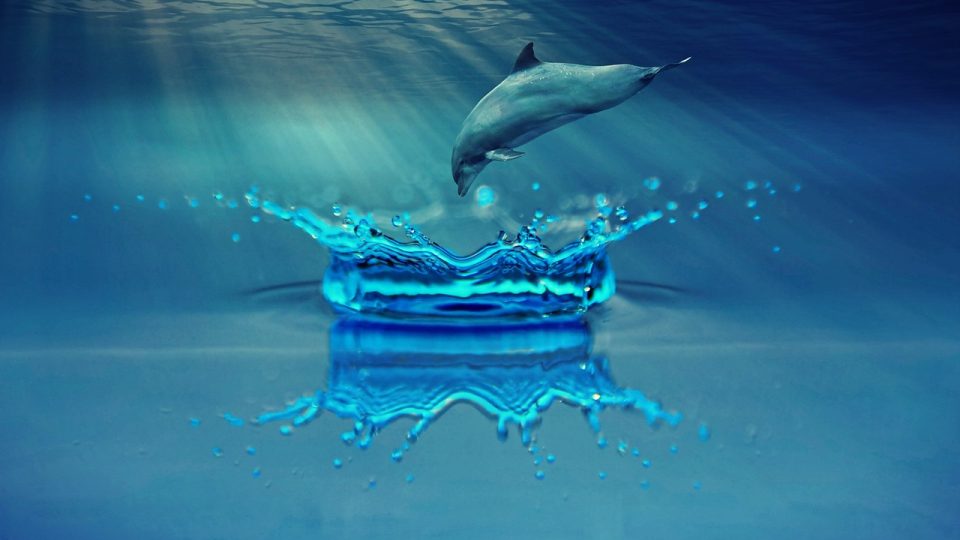
Photo by cocoparisienne on Pixabay