US, South Korea, and Japan Push for Denuclearisation Amid New Trump-Kim Summit Rumors

Hey there, fellow news followers! Grab a cup of coffee and settle in because we need to talk about some major diplomatic moves happening on the global stage. If you have been keeping an eye on international headlines, you probably know that the relationship between the US, its allies, and North Korea is always a bit of a rollercoaster. Well, the ride just took another interesting turn, and I am here to break it down for you in plain, everyday language.
Recently, top diplomats from the United States, South Korea, and Japan got together and basically reiterated a message they have been pushing for years. They are calling for the complete denuclearisation of North Korea. Now, if you know anything about Pyongyang, you know this is a tall order. North Korea has repeatedly said “nope” to giving up its nuclear weapons. But let’s dive into the details and see what is actually going on behind the scenes.
The G20 Side Meeting and Diplomatic Push
Picture this: world leaders and top officials gathering for the Group of 20 (G20) meetings. Amid all the heavy economic and global talks happening in the US city of Atlanta, the diplomatic teams from Washington, Seoul, and Tokyo carved out some time to address the ongoing situation with North Korea.
According to an official readout released by the US Department of State, the top diplomats—including US Secretary of State Marco Rubio, South Korean Foreign Minister Cho Hyun, and Japanese Foreign Minister Toshimitsu Motegi—reaffirmed what they call a “resolute commitment to the complete denuclearisation” of the Korean Peninsula.
It wasn’t just about making a statement, though. The trio also pledged to push for the “full implementation” of United Nations Security Council resolutions. What does that mean in practical terms? It mostly revolves around enforcing strict rules, including a total ban on financial support and revenue streams that help fund North Korea’s ongoing nuclear and ballistic missile programmes. Essentially, they want to squeeze the funding that keeps Pyongyang’s weapons development alive.
The Trump Factor and Possible Summits
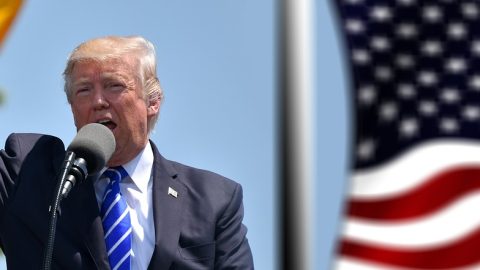
Here is where things get really fascinating, especially for anyone following US politics. This renewed push for total denuclearisation comes at a very quirky time. Why? Because US President Donald Trump has been making his own unique diplomatic overtures.
If we cast our minds back to Trump’s first term in office, he held a series of historic—and heavily publicized—summits with North Korean leader Kim Jong Un. Even after those talks didn’t yield a permanent nuclear deal, Trump has continued to refer to Kim as a “friend.”
In fact, Trump has shifted his tone quite a bit over the years. Last year, he actually stepped away from long-held American policy by openly conceding that North Korea is already “sort of a nuclear power.” More recently, he has started playing down some of the acute concerns surrounding North Korea’s nuclear advancements. Even bigger than that? He has openly expressed a strong desire to sit down and meet with Kim again.
Naturally, this has set the rumor mill spinning at full speed. Speculation is mounting across global media outlets that the two leaders might just reconnect as early as next month at the APEC summit in China, an event Trump is scheduled to attend.
And the plot thickens! Analysts, along with South Korea’s spy agency, are trying to connect the dots. They suspect that Kim Jong Un might have already signaled Pyongyang’s stance on potential talks with Trump during a recent visit to the Chinese border city of Dandong, where he may have communicated directly with Chinese officials.
Different Views on How to Handle Pyongyang
Of course, dealing with a nuclear-armed neighbor is never a one-size-fits-all strategy, and even the allies sometimes have different ideas on the best approach.
Take South Korea’s dovish President Lee Jae Myung, for example. He has repeatedly offered to sit down for talks with Pyongyang without any preconditions attached. Back in September, President Lee even suggested a different path for Washington: instead of demanding the immediate, total elimination of the North’s nuclear arsenal right out of the gate, the US could perhaps seek a “freeze” on the nuclear programme first. In exchange, North Korea would get some much-needed relief from punishing economic sanctions.
Sounds like a pragmatic compromise to some, right? Well, not everyone agrees. Critics have been pretty vocal, warning that this kind of approach is risky. They argue that accepting a nuclear freeze basically amounts to tacitly accepting North Korea as a legitimate nuclear-armed state. Furthermore, it would allow Pyongyang to cash in on sanctions relief without actually having to destroy a single weapon in its existing arsenal.
North Korea’s Firm Stance
While the international community tries to figure out the best carrot-and-stick approach, North Korea is marching to the beat of its own drum. Despite decades of crushing UN sanctions, Pyongyang has refused to back down. In fact, they have gone a step further: they have enshrined their status as a nuclear-armed state directly into their national law.
The North Korean government has made it abundantly clear that they consider their atomic arsenal to be permanent and completely irreversible. They aren’t bluffing, and they certainly aren’t shy about broadcasting their defiance.
Just recently, a group of nations monitoring the implementation of sanctions against North Korea released a joint statement. Pyongyang didn’t stay quiet about it. They quickly fired back, denouncing the statement and vowing that the “stereotyped sanctions racket of the US and the West can neither influence the position of the DPRK as a nuclear weapons state.”
What Happens Next?
So, where does all of this leave us? On one hand, you have the US, South Korea, and Japan standing shoulder-to-shoulder, publicly demanding nothing less than complete denuclearisation and promising to keep the sanctions pressure high. On the other hand, you have a US president hinting at renewed personal diplomacy with Kim Jong Un, a South Korean leader open to strategic compromises, and a defiant North Korean regime that has officially locked its nuclear status into its legal framework.
It is a delicate diplomatic puzzle with a lot of moving pieces. Will we see a surprise handshake at the APEC summit next month? Will Washington pivot toward a freeze-for-relief strategy, or will the hardline stance on complete denuclearisation remain the absolute rule of the road?
Only time will tell, but you can bet I will be right here watching the headlines roll in. Make sure to check back soon for more updates on this developing story, and let me know your thoughts in the comments below. Until next time, stay curious and keep reading the news!
source: aljazeera.com (www.aljazeera.com)