Why the US, Russia, and China Are Racing to Put Nuclear Reactors on the Moon
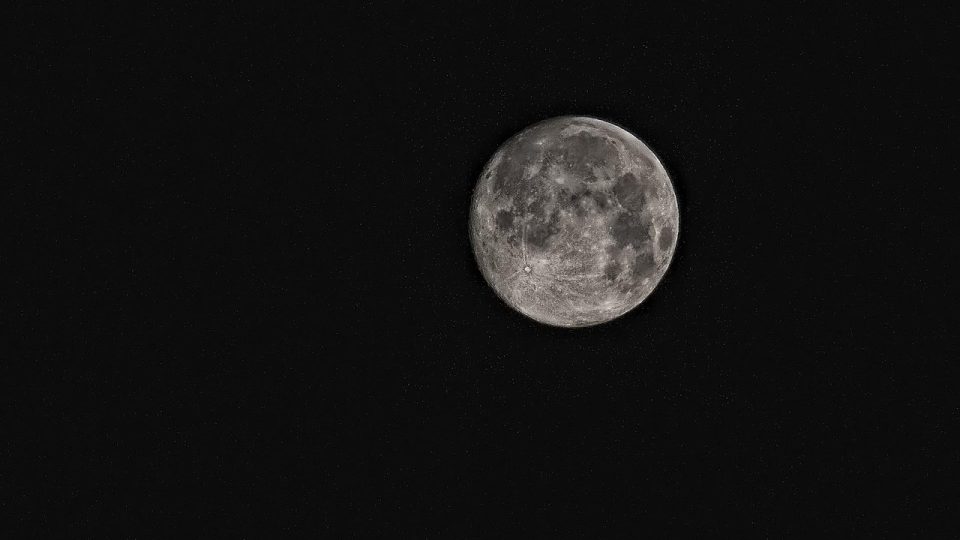
Hey there, space enthusiasts! It looks like humanity is gearing up for a brand new kind of competition. Forget the traditional space race of the past—we are now looking at a high-stakes dash to place nuclear reactors on the moon. Yep, you heard that right. Major global powers including the United States, Russia, and China are all pushing forward with plans to bring atomic power to our nearest celestial neighbor.
While it sounds like something straight out of a science fiction movie, this is actually happening very soon. But why all the sudden rush? Let’s dive into what’s going on and break down why nuclear power is suddenly becoming the ultimate space accessory.
Powering Up the Final Frontier
If we want to establish permanent human bases on the moon and start doing some serious mining, we need a massive, reliable source of energy. Scientists have discovered that there is frozen water trapped deep inside the moon’s craters. This lunar ice could be an absolute game-changer, potentially supplying future astronauts with drinking water, breathable air, and even rocket fuel.
However, extracting that ice and running a full-scale moon base takes a ton of electricity. This is where solar power falls a bit short. On the moon, the sun only shines on any given spot about half the time, meaning solar panels would be completely in the dark for roughly two weeks every single month. Relying solely on batteries or diesel shipped all the way from Earth would be ridiculously expensive. Experts note that nuclear energy is the obvious choice to keep a steady flow of power running.
The Contenders in the Nuclear Moon Race
Different nations are already deep into developing their compact reactors:
- The United States: NASA is working on Lunar Reactor 1. This system aims to produce 20 kilowatts of electricity, running autonomously for five years without any maintenance. It is designed to be compact enough to fit inside a rocket compartment, weighing under 6,000kg.
- Russia and China: Russia is developing a reactor called Selena, which is expected to churn out 10 kilowatts and run for a decade without needing maintenance. Selena will be even lighter than the US version—weighing between 1,100 and 1,300kg—making for a softer and easier landing on the lunar surface. It is slated to power a Chinese-led moon base by around 2036.
- The US Timeline: Following a presidential executive order, the target is to have a lunar reactor ready for launch by 2030.
Of course, putting a nuclear reactor on the moon isn’t exactly a walk in the park. The real challenge isn’t even the nuclear technology itself. The tough parts include getting the launch clearance, successfully landing on the lunar surface using robotic spacecraft with gentle rocket thrusts, and setting everything up properly.
Looking Back at Space Nuclear History
Believe it or not, putting nuclear reactors in space isn’t entirely new. Back during the Cold War in the late 1960s through the 1980s, the Soviet Union launched over 30 nuclear fission reactors into Earth’s orbit to power radar-tracking spy satellites. Those are no longer operational today.
On the flip side, the US has invested heavily in advanced space nuclear programs over the past seven decades, but hasn’t successfully launched a reactor into space since a single experiment back in 1965. That old experiment worked initially before shutting down after just 43 days due to an unrelated electrical failure, and that piece of equipment is still floating around in space today.
The Risks and Military Tensions
Whenever the word “nuclear” pops up, people naturally start worrying about safety and radioactive contamination. Experts point out that before a reactor is actually switched on, uranium isn’t super radioactive, meaning a launch accident would be far less terrifying than it sounds. Both the US and Russia plan to keep their reactors completely turned off until they safely reach the moon.
However, the danger ramps up once the reactor goes live. Back in 1978, a Soviet satellite carrying a reactor accidentally scattered radioactive debris across northern Canada, sparking a massive and expensive military cleanup. On the moon, experts suggest that any potential accident would keep contaminated areas extremely localized, but it is still a major factor to consider.
At the same time, this lunar race is happening alongside growing military competition beyond Earth. The US recently announced the deployment of space-based assets described as communication jammers to protect its forces, raising broader concerns about using space for military purposes.
Who Actually Owns the Moon?
Legally speaking? No one. The 1967 Outer Space Treaty clearly bans any country from claiming the moon or any part of it, though nations do legally own the equipment they send there, and countries have the right to mine the lunar surface for peaceful purposes.
Even so, things could get complicated. Whichever country manages to land its reactor near the best water ice first might effectively establish a “safety zone.” While it isn’t a formal land claim, a radioactive zone naturally shuts everyone else out because nobody wants to wander near an active reactor. Plus, experts warn that current international liability rules were never really designed to handle long-term hazardous equipment operating on another celestial body.
It is definitely an exciting time for space exploration, but it also brings a whole new set of complex challenges. What do you think about putting nuclear reactors on the moon? Let me know your thoughts, and stay tuned for more space updates!
source: aljazeera.com (www.aljazeera.com)
Photo by PeterDargatz on Pixabay