How the Downfall of Serbia’s Vučić Mirrored That of Hungary’s Orbán
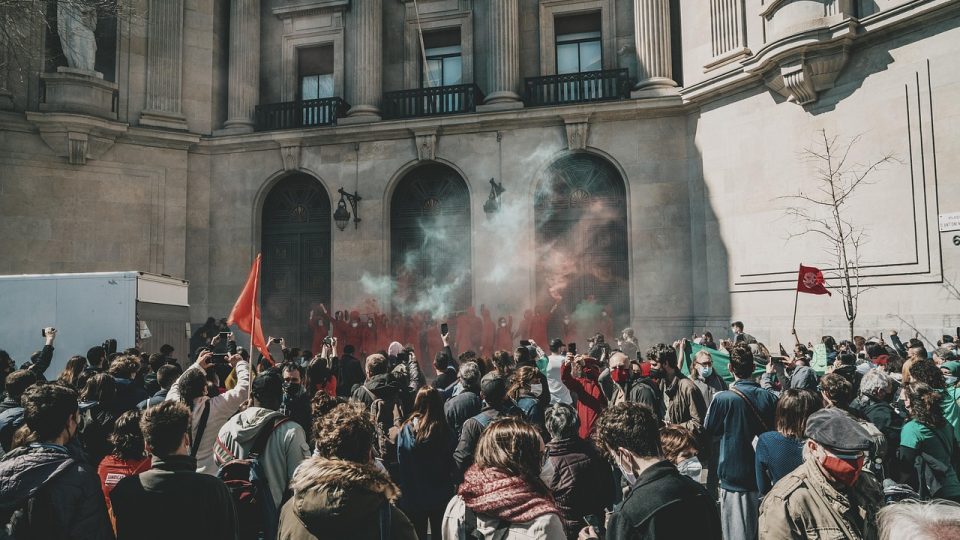
Hey everyone! Welcome back to the blog. Today, we are taking a look at a fascinating political plot twist in Europe that honestly sounds like something straight out of a movie script. If you told anyone a year ago that two of the region’s most entrenched political heavyweights would both be completely out of power within twelve months, people probably would have laughed you out of the room. But political landscapes can change in the blink of an eye, and that is exactly what went down.
Back in November of last year, Serbian President Aleksandar Vučić and Hungarian Prime Minister Viktor Orbán met up in northern Serbia. Over a quick lunch of traditional burek pastries—where Orbán apparently went with cheese and Vučić chose meat—they grabbed some local wine and talked business. They discussed oil deals, shared strong ties with leaders like Vladimir Putin and Xi Jinping, and generally looked completely untouchable. Orbán had been in power for 16 years, and Vučić had held the top spot for 14. They had built extensive business empires, taken over state institutions, and seemed entirely immune to political gravity.
Fast forward to today, and both of these powerful leaders have been swept away by massive, people-powered movements. First up was Hungary back in April, where Orbán was ousted by the Tisza party. Then, Serbia followed suit when a student movement that was less than two years old scored a massive landslide victory in the parliamentary elections. Despite looking completely invincible for over a decade, both regimes cracked under the pressure of an awakened public.
The Power of Tech-Savvy Youth and Cross-Border Collaboration
Even though the winning forces in both countries looked a bit different on paper—Hungary’s Tisza party is heavily focused on the energy and personality of its leader, while the Serbian student movement proudly insists they don’t have a single leader—the underlying mechanics of their victories share some incredible similarities.
Voter turnout in both nations was massively impressive, hitting 79% in Hungary and 69% in Serbia. This historic surge was largely driven by tech-savvy young people who used artificial intelligence tools to crunch data, spot potential threats to the voting process, and organize tens of thousands of election monitors. Their main goal? To stop intimidation and electoral fraud by the governing parties.
Interestingly, the connection between the two countries wasn’t just limited to the two leaders sharing pastries. Opposition activists from Hungary actually traveled over to share their election monitoring strategies with the Serbian students. During the summer, even before the election was officially called, they held workshops to pass on the knowledge and methods they had learned during the Hungarian election.
One of the smartest tricks they shared was identifying “infected” polling districts beforehand. These were areas where unusually high vote counts for the governing party in past elections hinted that voter intimidation or shady chain-voting tactics might have taken place. When election day rolled around, student volunteers sprang into action. For instance, in Subotica, a local student activist noted that groups of masked supporters began gathering near voting stations by late afternoon. Thanks to mobile teams filming everything and stationary monitors already stationed inside, volunteers created a powerful deterrent that successfully blocked intimidation and fraud.
Eerie Parallels and the Night of the Concession
The similarities between the downfalls of Orbán and Vučić almost feel too strange to be true. For starters, Aleksandar Vučić officially admitted defeat at precisely 21:30 on Sunday evening—the exact same minute and hour that Viktor Orbán conceded back on April 12. Considering how tightly both men held onto power, very few observers expected either of them to step down peacefully.
Naturally, that led to a lot of behind-the-scenes speculation. Rumors swirled that Vučić called Orbán twice on Sunday night to ask for advice: once before he threw in the towel, and again a bit later. Word is that Orbán actually convinced his Serbian ally to avoid using force. While Vučić has denied speaking to Orbán before making his announcement, he did acknowledge a later conversation. Orbán’s office, on the other hand, declined to comment when contacted.
Just an hour before the polls closed in Serbia, masked vigilantes were spotted taking up positions in central Belgrade, and similar groups showed up at various polling stations before being blocked by eagle-eyed election monitors. To add to the bizarre numerical coincidences, the Student List ended up winning 140 seats in the 250-seat Serbian parliament—the exact same number of seats that Péter Magyar’s Tisza party secured in the 199-seat Hungarian parliament.
On election night, Magyar was reportedly the only European leader to call the Serbian students directly to congratulate them. Reflecting on the parallel, the Hungarian prime minister noted that it’s always great to see how the story of Tisza can inspire other nations. Meanwhile, the head of the Student List, Ilija Srdanović, admitted that the success of the Hungarian election showed them they were on the right track.
What Lies Ahead?
With both men now out of office, the 63-year-old Orbán and 56-year-old Vučić might soon find themselves facing legal trouble regarding corruption and the abuse of power. Interestingly, the judicial systems in both countries are quite similar. Serbia’s special prosecution service for organized crime, JTOK, and Hungary’s newer special prosecutors, NVVH, possess comparable powers and could potentially share notes.
It’s also worth noting how deeply intertwined their networks were. Hungarian companies close to Orbán were actually involved in the Novi Sad railway station construction project. Tragically, the collapse of that station’s canopy back in November 2024 killed 16 people. Widely blamed on corruption and negligence, that disaster acted as the ultimate catalyst that sparked the Serbian student movement into action.
As one of the founders of the Hungarian civic action group pointed out, there was a widespread belief across Europe that the longer the Orbán and Vučić regimes stayed in power, the stronger they became. But as recent events proved, the exact opposite was true. They were actually growing more vulnerable, and once the public finally found its voice and stood up, there simply was no stopping it.
What do you guys think about this massive political shift? Let me know your thoughts in the comments below, and I’ll catch you in the next post!
source: feeds.bbci.co.uk (www.bbc.co.uk)
Photo by Antonio_Cansino on Pixabay
