India’s Opposition Gears Up for Massive Delhi Rally Over Election Row
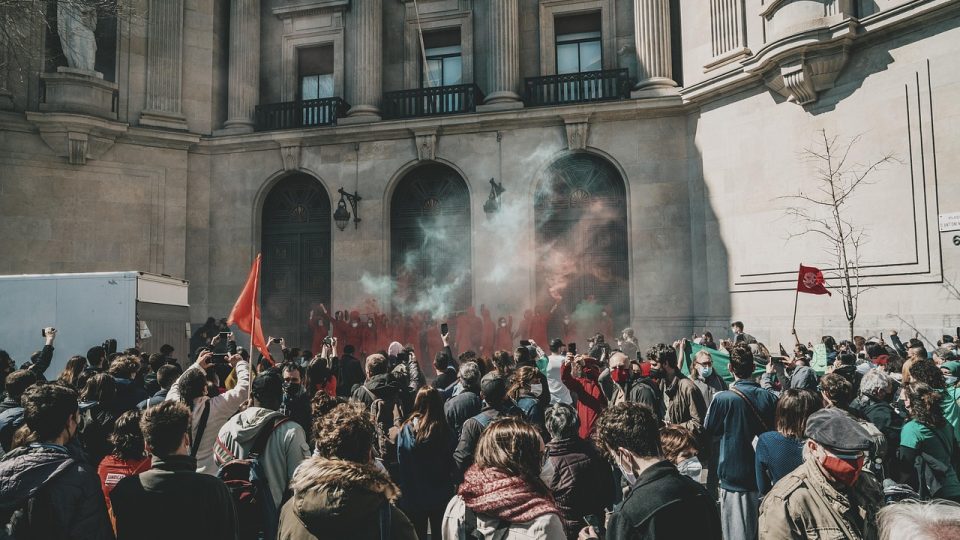
Hey there, fellow news followers! If you have been keeping an eye on global headlines lately, you probably know that things are getting pretty intense over in India’s capital. The political temperature in Delhi is reaching a boiling point right now, and the opposition isn’t holding back. We are looking at a massive gathering set to happen at the iconic Ramlila Maidan grounds, where organizers are expecting tens of thousands—if not up to a million—people to show up.
So, what is all the fuss about? Why are so many folks preparing to hit the streets? Well, it all boils down to a massive controversy surrounding a voter-list revision exercise. Let’s dive into the details and break down what’s really going on behind the scenes.
The Great Voter-List Controversy
At the heart of this massive demonstration is a process known as the Special Intensive Revision, or SIR for short. According to the Election Commission of India, this exercise is totally routine. They say it is simply meant to clean up the electoral rolls by taking off the names of people who have sadly passed away or relocated from their registered addresses.
Sounds harmless enough, right? Well, the country’s opposition parties definitely don’t see it that way. They are pointing out that this massive update has resulted in a staggering 130 million names being removed from draft rolls all across the country. Yep, you read that right—millions of names gone!
The main opposition Congress party, alongside other members of the INDIA alliance and various youth groups, are arguing that this revision is completely skewed. They claim it is systematically stripping eligible voters of their democratic rights and could ultimately benefit Prime Minister Narendra Modi’s ruling Bharatiya Janata Party (BJP). In fact, opposition critics have gone so far as to accuse the Chief Election Commissioner and the BJP of what they call “vote chori”—which basically translates to vote theft.
Unsurprisingly, both the BJP and the Election Commission have strongly denied these accusations, maintaining that the institution is just doing its job. But public trust took a major hit back in September when a media investigation revealed that Chief Election Commissioner Gyanesh Kumar made some crucial decisions regarding the revision without getting the agreement of the other two election commissioners, who reportedly raised objections multiple times.
Since that report dropped, discontent has been brewing. Protests have popped up in various pockets of the country, and tensions have steadily mounted.
From Marches to Mega Rallies
This weekend’s event at Ramlila Maidan isn’t the first time the opposition has tried to make its voice heard on this issue. Just last month, prominent opposition figure and Congress MP Rahul Gandhi led a massive march from central Delhi all the way to the Supreme Court, demanding the resignation of the Chief Election Commissioner.
While that march was substantial, insiders from the Congress party are calling it merely a “trailer” for what is expected to happen at the upcoming mega rally. Rahul Gandhi himself has been very vocal, urging people to show up in large numbers and framing the demonstration as a battle for the soul of the nation.
In his recent statements, Gandhi warned that the current situation represents the “demolition of Indian democracy.” He emphasized that the protest is about defending the Constitution, protecting the core idea of India, and safeguarding the ballot, which he described as the ultimate expression of every Indian citizen. He also opened the doors wide for anyone wanting to participate, stressing that both political and non-political individuals are more than welcome to join the cause.
Aside from mainstream political heavyweights, the event is also drawing support from influential pressure groups. For instance, the Gen Z-led Cockroach Janta Party—a notable student-backed political force—has officially pledged its backing to the rally, adding a fresh wave of youth energy to the movement.
Strict Rules, Heavy Security, and Local Reactions
Putting together a protest of this scale in a bustling metropolis like Delhi is no small feat, and the local authorities have laid down some very strict ground rules. The Delhi police have granted permission for the rally, but it comes with strings attached. The event has to wrap up by 5 PM sharp, organizers are required to install CCTV cameras all around the venue, and absolutely no street marches will be permitted outside of the designated protest zone.
Naturally, a gathering of this magnitude brings plenty of logistical headaches and local friction. Take Chandni Chowk, for example—one of Delhi’s oldest, busiest, and most vibrant markets, sitting less than a kilometer away from the Ramlila Maidan grounds. The local business community is actually divided on the whole affair.
Some traders have voiced concerns that the massive protest could deal a harsh blow to their businesses, especially since it is happening right in the middle of the festive season just a week before Diwali. On the flip side, another faction of traders stepped up to say they fully support Gandhi’s rally. In fact, this group went as far as criticizing the ruling BJP for holding their own march through the same market area earlier in the week, arguing that the BJP’s event caused even more disruption to the holiday shopping rush.
Meanwhile, law enforcement isn’t taking any chances. Thousands of police officers and paramilitary personnel have been deployed across the capital, locking down key roads and pathways leading straight to the protest site.
The opposition has accused the government of trying to throw roadblocks in their way by discouraging or hindering people from traveling into Delhi to take part. In response to these worries, Rahul Gandhi didn’t mince words. Taking to social media, he encouraged supporters not to let fear get the better of them, telling them to brush off worries about police presence or batons because, in his words, the government won’t dare pull off any heavy-handed antics.
Looking Ahead
These warnings aren’t coming out of nowhere, either. Security forces have shown a heavy hand during recent demonstrations in the capital. Earlier in the month, large sections of Delhi were practically shut down, and thousands of security personnel were mobilized to shut down protests organized by youth groups opposing the election commissioner. During those clashes, reports and eyewitness accounts—including coverage from journalists on the ground—showed police dragging demonstrators through the streets and using batons to disperse the crowds.
While the student-led Cockroach Janta Party has thrown its full public weight behind the upcoming opposition rally, it remains to be seen whether their top leadership will physically make an appearance given the recent crackdowns.
As Sunday approaches, all eyes are locked on Delhi. Whether this mega rally becomes a turning point for the opposition or just another chapter in an ongoing political saga remains to be seen. One thing is for certain, though: the debate over electoral transparency and the management of India’s democracy is fiercer than ever, and neither side is backing down anytime soon. Stay tuned as this story continues to unfold!
source: feeds.bbci.co.uk (www.bbc.co.uk)
Photo by Antonio_Cansino on Pixabay


