The Little-Known Tech Firms Sparking Fears of an AI Bubble Burst
Hey there, tech friends! Welcome back to the blog. Today, we are diving straight into one of the most talked-about, yet strangely lesser-known, debates rattling the tech world right now. If you have been keeping an eye on the markets or just scrolling through your favorite tech news feeds, you might have noticed some jittery vibes lately regarding the artificial intelligence boom.
For a long time, the spotlight has been firmly fixed on the household names—the tech giants spending billions on fancy new software, massive language models, and the hype train of the century. But lately, attention has shifted to a completely different, once-obscure corner of the ecosystem. We are talking about companies that most everyday folks have literally never heard of, yet they are right at the center of the current storm. Today, let’s unpack why these businesses are suddenly making investors sweat and whether they are secretly blowing up an economic bubble.
Meet the Neoclouds: The Warehouse Keepers of AI
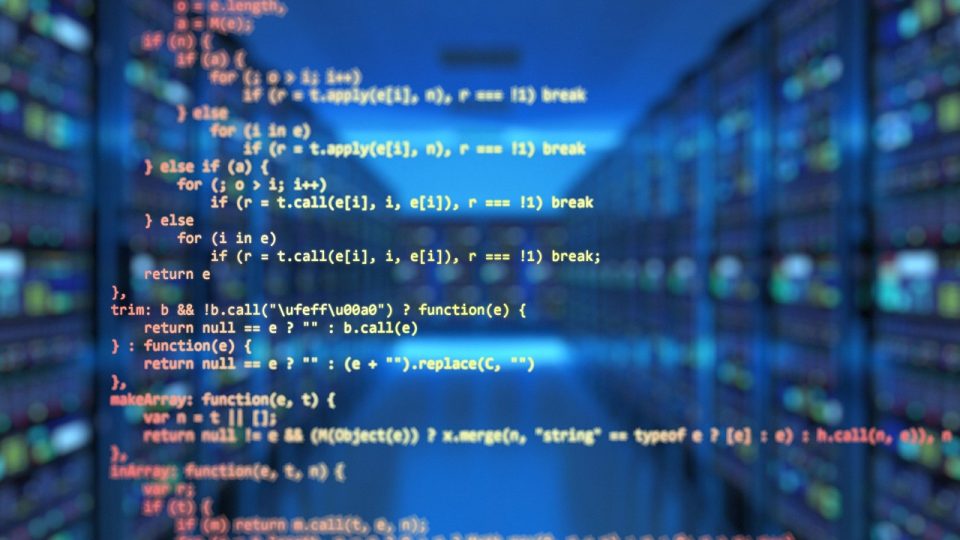
So, who are these mysterious players? In places like San Francisco and Silicon Valley, names like CoreWeave and Nebius are whispered about constantly. These businesses operate as what insiders call “neocloud” firms. Essentially, they run massive data centers—huge physical warehouses packed to the brim with incredibly expensive, high-powered computers.
Since building these setups from scratch is a massive undertaking, major AI developers like OpenAI, Anthropic, and Meta prefer to lease this computing power instead. That is where the neoclouds step in. They buy the hardware, set up the warehouses, and rent them out to the biggest names in the business. Sounds like a lucrative gig, right? Well, it is certainly keeping the lights on, but it is also triggering one of the most heated financial arguments in the tech scene.
Lately, a lot of experts are asking a very uncomfortable question: Are these neocloud firms actually financially sound, or are they walking a financial tightrope? Recent stumbles in the sector have people wondering what these cracks might mean for the broader AI economy as a whole. In fact, analysts over at Gartner have made a pretty bold prediction, suggesting that by the year 2030, a whopping 80% of these neocloud firms will actually stop operating independently. Meanwhile, the folks at Forrester expect that at least three of them will get bought out very soon just because their finances are getting a bit too shaky for comfort.
Of course, not everyone is panicking. Recently, Treasury Secretary Scott Bessent tried to calm everyone down by downplaying the whole situation. Speaking on CNBC, he described these firms as just a small, external component of the overall ecosystem. But the market isn’t entirely convinced.
The Debt Trap and the Crypto Connection
To really understand why people are sweating, we have to look at how these companies fund themselves. According to IPO research analyst Cory Johnson over at “The Quiet Period,” neocloud firms usually finance their massive operations by signing long-term lease agreements with major tech customers who desperately need computing power right now.
Once they have those contracts in hand, the firms can borrow staggering amounts of money using those agreements—along with the expensive AI chips they purchase—as collateral. Because the hardware itself has to be paid for upfront, taking on heavy debt has basically become standard practice across the entire neocloud industry.
Take CoreWeave, for instance. As the undisputed industry leader, it is still just a fraction of the size of the massive Big Tech corporations it serves. Yet, Johnson points out that lenders often look at the incredible creditworthiness of CoreWeave’s high-profile customers, like Microsoft or Meta, rather than CoreWeave itself when deciding to hand over cash. This quirk of finance helps explain how a company of this scale managed to rack up a mind-boggling $35.1 billion (around £26.3 billion) in debt.
What makes this whole story even more fascinating is the backstory of many these companies. Several neocloud firms didn’t actually start out building AI infrastructure at all—they have their roots in the notoriously volatile cryptocurrency mining industry. Back when people were frantically mining digital currencies like Bitcoin, these companies used a lot of the very same physical infrastructure that is now being repurposed to power modern AI systems.
For example, CoreWeave was actually founded back in 2017 with a primary focus on mining Ethereum. Other players like IREN, Core Scientific, and Applied Digital also kicked off their journeys in the crypto mining space. When the AI explosion officially went off in 2022 following the launch of OpenAI’s ChatGPT, these crypto veterans found themselves sitting on the exact right hardware at the exact right time.
There are a few outliers, of course. Take Nebius, which used to be known as Yandex NV when it was part of Russia’s version of Google, before eventually splitting off and rebranding in 2024. But regardless of where they came from, today the success of nearly all these firms is tied directly to the fortunes of major AI developers and massive data center operators.
“There is just an enormous amount of spending getting injected into the system,” notes Melissa Otto, head of Visible Alpha Research at S&P Global, who calls the current climate an “arms race.” But as Forrester VP and principal analyst Charlie Dai points out, the big trade-off for this business model is dealing with “greater financial risk” whenever things shift.
Jittery Investors and Spooked Lenders
And boy, have things been shifting lately. Nervous investors are clearly having second thoughts about pouring money into this space. Over the past month alone, CoreWeave’s stock has taken a serious hit, losing roughly a quarter of its value. And it is definitely not flying solo in this downward spiral. Shares in other neocloud companies like Nebius, IREN, and Applied Digital have shed around the same amount—if not more—over that exact same timeframe.
It isn’t just the stock market investors getting cold feet, either. Debt investors are looking at these trends and getting pretty spooked themselves, now demanding much higher returns from several firms across the sector just to justify the risk.
Naturally, company leadership is pushing back against the doom and gloom. CoreWeave CEO Mike Intrator recently spoke up to say that the market is behaving “irrationally,” expressing total confidence in the company’s underlying business model. After all, it’s hard to argue with reality when some of the most influential corporations on Earth are literally lined up outside your door waiting to buy your infrastructure and AI services.
Still, the stakes couldn’t possibly be higher. The entire ecosystem’s future is deeply intertwined with the spending habits of Big Tech. Just recently, when Microsoft and Google released forecasts predicting lower AI spending than Wall Street analysts had originally hoped for, shares in multiple neocloud firms took an immediate tumble.
A huge amount of pressure is also riding on upcoming moves from developers like Anthropic and OpenAI, both of which are widely expected to kick off public stock offerings in the upcoming months. As Bradley Tusk of Tusk Ventures warns, if it turns out that AI really is just a massive economic bubble that eventually pops, these neocloud companies “are definitely going to face collateral damage.”
High Interest Rates and Growing Backlash
Adding fuel to the fire is the simple math of borrowing money. The future viability of the neocloud model relies heavily on their ability to keep taking out loans to expand, which gets noticeably more expensive every time interest rates rise. Elon Musk recently weighed in on the topic via social media, suggesting that this ongoing borrowing challenge could lead to what he called “guppy-level death and consolidation” for more than 200 neoclouds, with the smaller fish in the pond facing the highest risk of all. “Some will make it through, but not many,” he added.
To be fair, it’s not all doom and gloom right now. Analysts at Yorkville Ives point out that overall demand for raw computing power is still completely outpacing supply, meaning neoclouds are successfully filling a crucial gap that massive traditional data center operators simply cannot cover on their own.
Even so, those recent market wobbles are hard to ignore. For instance, Microsoft recently decided to scrap a deal with a British neocloud outfit named Nscale because of ongoing power supply issues that could reportedly stretch all the way out to 2030. Meanwhile, down in Australia, a firm called Firmus recently pressed pause on its own plans to launch a public stock offering.
To complicate matters further, all of this is happening right in the middle of a rising public backlash against physical data centers popping up in local communities, alongside ongoing debates over whether AI is actually boosting worker productivity as much as everyone promised it would. Data centers are big, loud, and increasingly hard to miss—and that growing public resistance represents yet another massive hurdle for the unstoppable AI juggernaut.
What do you all think? Are these little-known neoclouds just going through a normal growing pain in a revolutionary new industry, or are we watching the early warning signs of a massive tech bubble getting ready to burst? Let me know your thoughts in the comments below, and don’t forget to stay tuned for more tech updates right here on the blog!
source: feeds.bbci.co.uk (www.bbc.co.uk)
Photo by Elchinator on Pixabay