Are Freezers Being Hacked? Europe and the U.S. Military Are Investigating
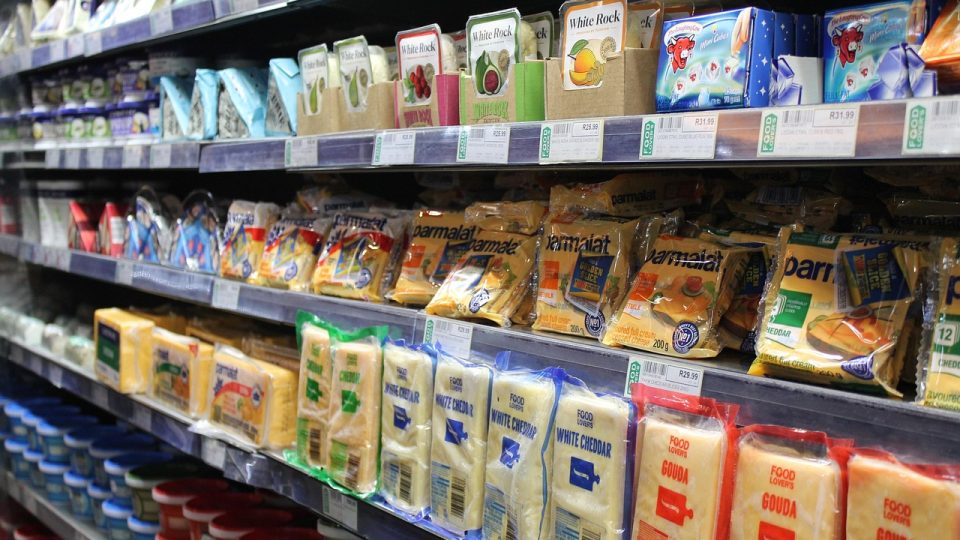
Hey everyone, welcome back to the blog! Today, we are diving into a pretty wild story that sounds straight out of a sci-fi thriller, but it is actually happening in real life right now. Grab your coffee, get comfortable, and let’s talk about what is going on with commercial freezers, major grocery stores, and why both European authorities and the U.S. military are suddenly paying very close attention.
If you have ever walked down the frozen food aisle at your local supermarket, you probably take it for granted that the ice cream is frozen and the veggies are properly chilled. But lately, things haven’t been running so smoothly behind the scenes. Across Europe, grocery stores have been hit by a mysterious wave of disruptions involving their cooling systems. In fact, shops were hit yet again on a recent Monday, leaving store owners scratching their heads and officials scrambling for answers.
So, what is actually causing these sudden failures? That is the million-dollar question, and authorities are seriously investigating whether these incidents are the result of malicious cyberattacks. Yes, you heard that right—someone might be hacking the freezers.
A Closer Look at the Supply Chain Vulnerability
Let’s break down why this matters so much. Modern grocery stores rely heavily on interconnected digital systems to keep everything running efficiently. From inventory management to temperature controls, almost everything is automated and connected to the internet. While this makes running a massive supermarket much easier, it also creates a massive weak spot.
These recent disruptions are shining a harsh spotlight on just how fragile our everyday supply chains really are. Think about it: if a hacker manages to compromise the cooling systems of major grocery stores, the consequences could be disastrous. We are talking about massive amounts of spoiled food, empty shelves, and a huge headache for both retailers and shoppers.
When unexpected technical failures happen simultaneously across multiple locations, alarm bells start ringing. Officials are looking closely at whether these events are isolated glitches or part of a coordinated digital offensive. The idea that someone could manipulate temperature controls remotely is honestly pretty unsettling.
Why Is the U.S. Military Involved?
You might be wondering: what does the U.S. military have to do with supermarket freezers in Europe? It sounds like a mismatch, right? Well, when critical infrastructure faces potential cyber threats, defense agencies tend to get involved because the implications go far beyond just buying groceries.
Supply chains are deeply intertwined with national security and economic stability. If malicious actors can successfully target commercial systems like grocery store freezers, it proves that critical infrastructure is vulnerable to remote interference. Military and defense experts study these patterns to understand how hostile entities might try to disrupt broader societal functions during conflicts or tensions. It is all about anticipating risks before they escalate into full-scale crises.
While investigations are still ongoing and officials are working hard to piece everything together, the situation serves as a major wake-up call for industries everywhere. It turns out that cybersecurity isn’t just about protecting your personal laptop or corporate bank accounts—it is also about making sure your local supermarket can keep the ice cream cold.
What do you guys think about all of this? Could we be entering an era where everyday appliances become targets for hackers? Let me know your thoughts in the comments below, and as always, stay safe out there in the digital world. See you in the next post!
source: nytimes.com (www.nytimes.com)
Photo by AlbanyColley on Pixabay