Moscow Eyes Poland’s Political Drama to Shake European Unity
Hey everyone, welcome back to the blog! Today, we are taking a little dive into some serious international chess playing. You know how it goes—whenever there is a bit of political drama in one country, you can almost guarantee that someone else across the border is watching closely and rubbing their hands together. Well, that is precisely what is going on right now in Eastern Europe, and it is a situation worth keeping an eye on.
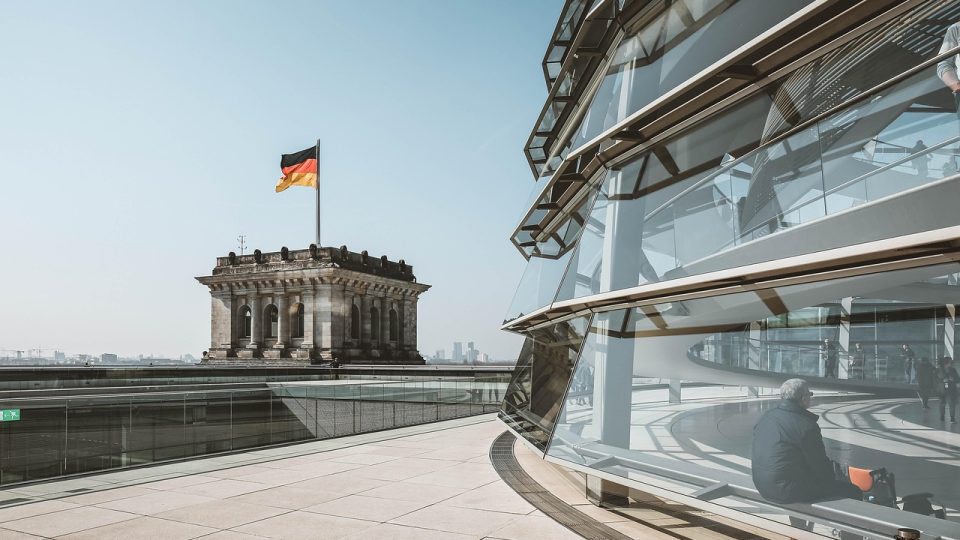
Let’s talk about what is happening in Poland. If you have been following the news headlines lately, you probably know that Poland has been dealing with quite the constitutional standoff. It is messy, it is complicated, and honestly, it is the kind of internal friction that creates a lot of noise. But it isn’t just people within Poland who are listening to that noise. Down in Moscow, they are paying very close attention, and they definitely sense an opportunity.
The Bigger Picture in Eastern Europe
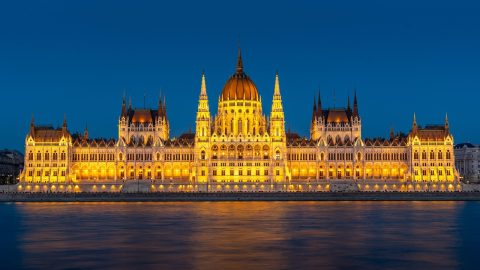
To really understand why Moscow is so interested in Poland’s current headache, we have to rewind just a little bit and look at the bigger regional chessboard. Over the last little while, some of Moscow’s occasional allies in the region actually got voted out of power. We saw that happen in places like Hungary and Serbia, where shifts in leadership didn’t exactly go the way the Kremlin would have preferred.
So, when you lose a bit of leverage in some areas, you naturally start looking around for somewhere else to make your move. Enter Poland. Poland has been a massive, vocal supporter of Ukraine ever since the conflict started. They have been a crucial bridge for aid, a solid voice in the European Union, and a major thorn in Moscow’s side when it comes to keeping a united front against the invasion.
Naturally, the folks in charge in Moscow would love nothing more than to crack that solid front. And what better way to do that than by leaning into existing political chaos?
Capitalizing on Constitutional Clashes
So, how does a constitutional standoff in Warsaw play into Moscow’s hands? It is all about distraction and division. When a government is tied up in a massive internal dispute over the rules, laws, and the very structure of its constitution, its energy gets pulled inward. Suddenly, the focus shifts away from foreign policy and international solidarity and moves right back to domestic survival and political bickering.
The main goal here for Moscow is pretty straightforward: weaken Europe’s overall support for Ukraine. If Poland—one of Ukraine’s closest and most steadfast neighbors—gets bogged down in its own political turmoil, it risks losing its sharp focus on the ongoing war effort. Even a slight wobble in Poland’s resolve or a delay in its decision-making creates ripples across the entire European Union and NATO.
It is a classic strategy of taking advantage of a moment of vulnerability. Moscow doesn’t necessarily need to create the problem from scratch; they just need to watch an existing fire burn and maybe fan the flames a little bit through narrative and observation, hoping that the structure starts to crumble from the inside.
Why This Matters Moving Forward
You might be wondering why this particular bit of geopolitical maneuvering matters so much to the rest of us. Well, the unity of Europe and its allies has been one of the most critical factors in how the situation in Ukraine has played out over the past few years. Cracks in that alliance are exactly what Moscow has been hoping and waiting for.
When key players like Poland get distracted by high-stakes internal standoffs, the entire coalition feels the pressure. It tests the resilience of democratic institutions and shows just how fragile international alliances can be when domestic politics get supercharged.
As this constitutional drama in Poland continues to unfold, we will definitely have to watch and see how it impacts Warsaw’s foreign stance. Will the political leaders be able to sort out their differences quickly and keep their eyes on the bigger international picture? Or will the internal friction give outside actors the opening they are looking for?
What do you guys think about how international politics intertwines with domestic drama? Let me know your thoughts in the comments below, and as always, stay informed and take care of yourselves. See you in the next post!
source: nytimes.com (www.nytimes.com)