Historic Delhi Mosque Stands Amid Rubble as Local Families Face Forced Relocation
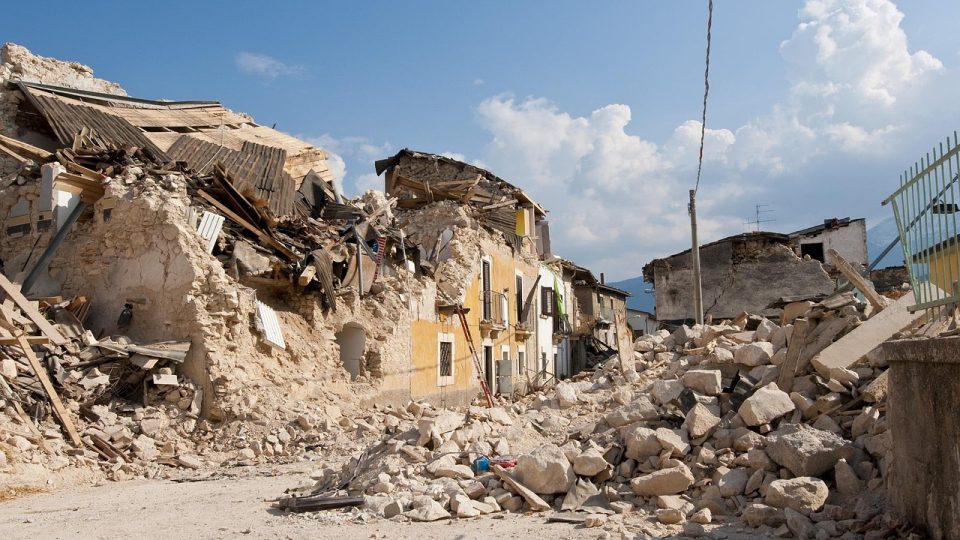
Hey there, fellow blog readers! Today, let’s talk about a heartbreaking situation unfolding right in the bustling heart of Delhi. Imagine living in a neighborhood for generations, growing up playing in the streets, and building a life with your community, only to see it all turned upside down in a matter of days. That is the harsh reality currently facing hundreds of families who used to live around a historic mosque in one of the capital’s wealthiest areas.
Let’s dive into what’s going on and why it’s making headlines.
Life Around the Race Course Mosque
Tucked away in Race Course—a heavily guarded, upscale neighborhood not far from the Indian prime minister’s official residence—stood a tight-knit community of modest homes. Families lived right alongside military compounds and sprawling bungalows. Many of these residents had called the area home for generations, working locally as drivers, gardeners, and cleaners for the wealthy residents nearby.
Right in the middle of these settlements stood a historic mosque. For people like Mohammad Wasim, a 50-year-old driver, this place held deep personal history. He shared that both his father and his daughter were married there, and his entire childhood was spent playing in its courtyard. It wasn’t just a building; it was the beating heart of their community.
However, everything changed on October 7. The authorities moved in and demolished hundreds of houses across three settlements in the area. The official reason? The homes were built illegally on government land, and their close proximity to military installations raised serious security concerns.
The Aftermath and the Fight for the Mosque
When the dust settled, nearly 717 families had been packed up and relocated to Savda Ghevra, a settlement roughly 31 miles away on the far edges of the city. Residents had previously taken the eviction orders to the Delhi High Court, arguing that moving so far away would destroy their livelihoods, kids’ schooling, and social connections. Unfortunately, the court ruled in favor of the government back in August, pointing to the security risks and the fact that alternative housing was being provided.
Miraculously, the mosque and a nearby Hindu temple were left standing amid the piles of rubble. But their water and electricity were cut off immediately, and access to the compound has been heavily restricted. While the government claims ownership of the land, mosque authorities argue it was registered back in 1977 as a waqf property—meaning it is designated for religious or charitable use under Islamic law. The Delhi Waqf Board estimates the structure is nearly 300 years old, while other estimates place it between 125 and 150 years.
The Waqf Board and local worshippers have been fighting back through petitions, trying to restore utilities and protect the mosque from being torn down completely. The government recently told the court it would hold off on any immediate action against the mosque structure for a few weeks while reviewing objections, but prayers remain difficult as guards frequently turn people away.
Starting Over Far From Home
For the displaced residents now living in Savda Ghevra—an area established back in 2006 for relocated communities—life has become a massive struggle. Families who once enjoyed lush, tree-lined avenues in central Delhi now find themselves in rows of identical concrete blocks surrounded by open fields.
The distance has completely upended daily routines. Take Babloo, for instance. Every single day, he has to wake up at 5 a.m. to take his children on a grueling metro ride, changing trains three times just to get them to their old school in central Delhi. Since the commute takes hours, he has to wait around in his old neighborhood until classes finish, making it impossible to head back home in between.
Others are facing massive hurdles too. Rekha, a widow who used to wash dishes in nearby homes and volunteer at the local temple, lost the jobs she depended on. Living on the third floor of her new apartment building is painful because of a metal rod in her leg from a previous surgery. Summing up the general feeling among the displaced residents, she said that while she might have a new house, her actual home was completely snatched away.
A Wider Urban Issue
Experts point out that this situation is part of a much larger pattern in Delhi. Working-class communities are frequently pushed out to the far edges of the city simply because they lack formal paperwork proving legal ownership of the land they have lived on for decades.
Urban researchers note that this kind of forced relocation completely severs people from their jobs and informal support networks. Without those local safety nets, families are left entirely on their own to figure out how to survive. For women especially, the heavy commute, safety concerns, and childcare responsibilities make finding new work extremely difficult.
As these families try to slowly rebuild their lives in Savda Ghevra—much like the previous residents who slowly turned the isolated farmland into a bustling neighborhood over the years—the sense of loss remains fresh. Wasim still visits the mosque whenever he is allowed past the guards, noting how deeply tied his heart and his entire life are to the historic site.
It’s a heavy story about urban development, displacement, and what happens to ordinary people when the cities around them change overnight. What are your thoughts on how growing cities handle these kinds of relocations? Let me know in the comments below, and I’ll catch you in the next post!
source: feeds.bbci.co.uk (www.bbc.co.uk)
Photo by Angelo_Giordano on Pixabay
