Mining Giant Rio Tinto Steps Up to Block Invasive Cane Toads in Western Australia
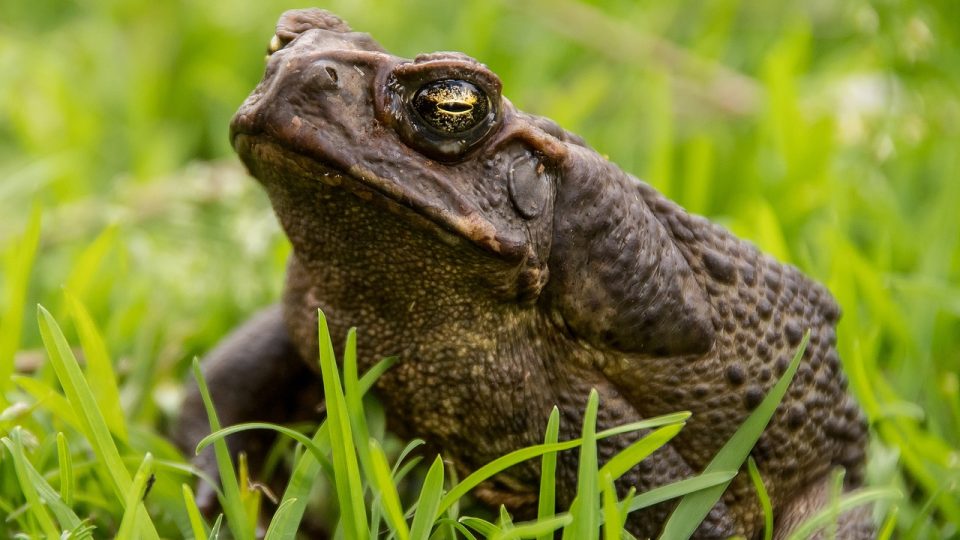
Hey everyone! Welcome back to the blog. Today, we are taking a little trip over to Australia to talk about a massive environmental battle brewing out in the west. If you know anything about Australian wildlife history, you probably already know that introducing non-native species rarely ends well. Case in point: the infamous cane toad. These toxic little critters have been slowly making their way across the northern part of the country for decades, and now, a major mining company is stepping in to try and halt their advance once and for all.
Let’s dive into what’s happening, why these toads are such a huge problem, and how a multi-million-dollar project aims to stop them in their tracks.
The Great Toad March Across Australia
To understand why everyone is suddenly so worried, we have to rewind all the way back to 1935. That was the year cane toads were originally brought into Australia. The bright idea at the time was that they would help control beetles in the sugar cane industry. Well, spoiler alert: it didn’t really work out as planned.
Instead of just eating beetles and staying put, the toads started multiplying and spreading. Because they produce toxins that are completely lethal to native wildlife, and because they don’t have any natural predators or diseases to keep their numbers in check, they have been on a relentless march westward across the Australian landscape. According to government figures, these hopping invaders travel anywhere from 40 to 60 kilometers every single year.
Experts warn that if nobody steps in to stop them, these toxic pests are projected to march right into the Pilbara region of Western Australia within the next two decades. And that brings us to the latest big news story.
Rio Tinto’s Massive Investment
Enter Rio Tinto. You might know them as a massive mining giant with huge iron ore operations in Western Australia. While the cane toads don’t pose a direct threat to the actual mining business itself, they are a massive threat to the local ecosystem. And since Rio Tinto operates heavily in the Pilbara region, they’ve decided to pitch in—and by pitch in, we mean they are ploughing millions of dollars into the fight.
The company is teaming up with Curtin University in Perth and other partners to spend a whopping A$28 million (which is around £14.5 million) to build what they are calling a “toad containment zone.” The main goal here? To keep the pests from traveling any further south and ruining a pristine, unique part of the country.
Of course, it’s worth noting that Rio Tinto has had a complicated relationship with the region in the past. They previously faced a massive public backlash and severe criticism after destroying sacred Aboriginal rock shelters in Pilbara that sat above rich iron ore deposits. That controversy cost the former chief executive his job and led the company to make strong commitments toward rebuilding trust and working alongside Indigenous communities.
This new environmental initiative involves working closely with local Indigenous groups. Roberta Hunter, a ranger in the Nyangumarta Warrarn Indigenous Protected Area, spoke about the impending threat, explaining how destructive these creatures can be to local waters and animals. She emphasized that the community wants to be right there on the front lines to stop the invasion before their country gets ruined.
How Do You Stop a Toad? Cut Off the Water!
So, how exactly do you stop thousands of invasive toads from crossing a massive landscape? The strategy is actually quite clever: you cut off their water supply.
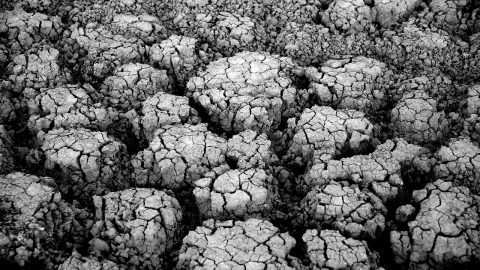
During the drier months of the year, cane toads need to drink water every few days just to stay alive. In remote areas, if there aren’t any natural water sources available, these clever little jumpers rely heavily on artificial water points—the kinds normally used for cattle and agricultural irrigation.
The newly funded five-year project, which is scheduled to kick off in 2027, will focus on building a massive barrier across 7,500 square kilometers of land nestled between the Great Sandy Desert and the Indian Ocean. The money will be used to physically block the toads from accessing dams, storage tanks, and any other ground-level water sources in that zone. Without water, they simply won’t be able to cross.
Protecting Australia’s Unique Wildlife
If these toxic toads manage to slip past the defense zone and infiltrate the Pilbara region, the ecological consequences could be devastating for several native species.
Among those most at risk are the northern quoll—a fascinating marsupial whose numbers have already been steadily decreasing—as well as the goanna lizard and the ghost bat. Because these native animals have no evolutionary defense against the toad’s potent poison, taking a single bite out of one usually spells disaster.
Ben Phillips, a professor at Curtin University who is involved in the project, didn’t mince words about the scale of the opportunity. He pointed out that creating this toad containment zone is a literal “once in a lifetime opportunity” to stop one of the worst invasive species on the planet right in its tracks and safeguard the incredible, unique wildlife of the region.
It’s definitely a massive undertaking, and we will have to wait a little bit for the project to officially kick off in 2027, but it’s a huge step toward keeping these toxic hoppers at bay.
What do you guys think about this massive conservation effort? Can a barrier and some water management really stop the cane toad march once and for all? Let me know your thoughts in the comments below, and I’ll catch you all in the next post!
source: feeds.bbci.co.uk (www.bbc.co.uk)