Toxic Chemicals Found in Cheap Sterling Silver Jewelry Sold on Popular Online Platforms
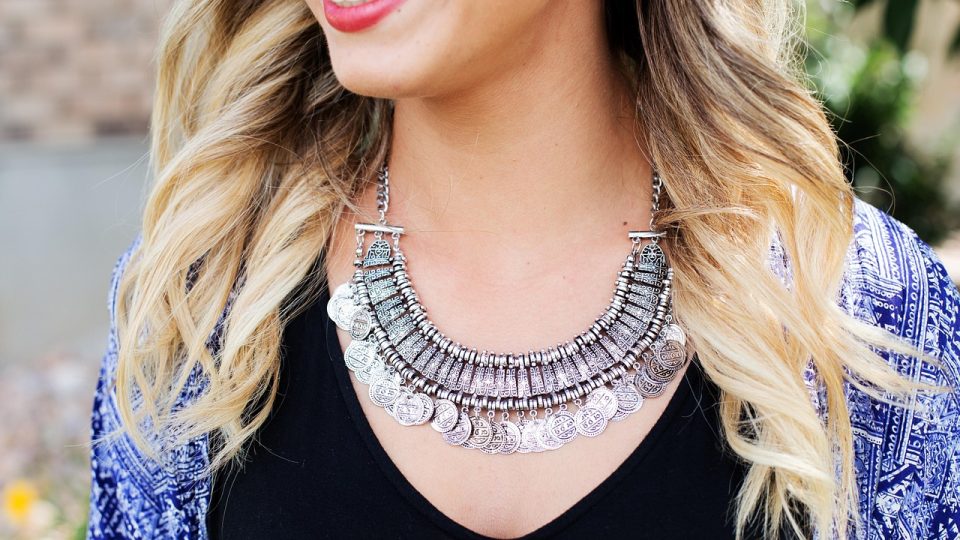
Hey there, friends! Welcome back to the blog. Today, we are diving into a rather worrying consumer story that might make you think twice before grabbing that super cheap, shiny necklace from your favorite online marketplace. We all love a good bargain, right? Finding a piece of jewelry that looks gorgeous and costs just a couple of pounds feels like a major victory. But as it turns out, sometimes those online steals come with a hidden, dangerous catch.
A recent investigation has uncovered some alarming truths about jewelry being marketed as genuine sterling silver on major e-commerce platforms. If you are a fan of scrolling through sites looking for affordable accessories, you’ll definitely want to stick around and read this.
The Investigation That Uncovered Hidden Toxins
The whole thing came to light thanks to a BBC investigation. The team behind Watchdog on The One Show decided to look into whether those tempting online jewelry deals—often labeled as 925 or sterling silver—were actually the real deal. They went ahead and purchased 25 different pieces of jewelry from several massive online marketplaces: Amazon, eBay, Temu, Etsy, and OnBuy. These weren’t high-end luxury items; they included everyday bargains like a bracelet priced at £1.55 and a pair of earrings going for just £1.99.
Once the items arrived, they were sent over to the experts at the Sheffield Assay Office for proper laboratory analysis. The results? Honestly, they were pretty shocking. Out of all 25 pieces tested, only two could actually be classified as genuine sterling silver. That is a staggeringly low success rate for anyone hoping to buy the real metal.
Even worse, the testing revealed that many of these items contained harmful and toxic chemicals that have strict legal limits—or shouldn’t be in wearable jewelry at all.
Real-Life Reactions and Skin Irritation
Take the story of Meranda, a 34-year-old shopper who bought a necklace advertised on Etsy as handmade sterling silver. She paid around £15 for it and initially had zero suspicions. When the package arrived, the necklace looked completely fine—it was very shiny and seemed totally legitimate. It even featured a hallmark stamp of 925, which is supposed to indicate genuine sterling silver (meaning the metal is at least 92.5% pure silver).
However, after wearing it for just a few days, Meranda started noticing a problem. Her neck began getting really irritated. When she took it off and looked closer, she realized the color just did not look right anymore.
When the Sheffield Assay Office tested Meranda’s necklace, they found it was a far cry from actual sterling silver. In fact, laboratory testing revealed that part of her necklace contained a mere 8.9% silver. Worse still, it contained traces of nickel—another toxic chemical well-known for causing skin irritation. While cheap items sometimes sneak nickel in, one specific part of her necklace’s chain had a nickel concentration as high as 11%.
Selling fake sterling silver actually breaches the Hallmarking Act, which carries serious risks like fines or even imprisonment for sellers trying to pass off cheap metals as the real thing. Thankfully, after speaking to the investigative team and contacting the seller, Meranda managed to get a full refund for her irritated neck and ruined necklace.
Dangerous Levels of Cadmium Discovered
Nickel skin irritation is bad enough, but the lab analysis uncovered something much more serious in several of the other items purchased for the test: cadmium.
Out of the 25 pieces tested, eight contained levels of cadmium that completely blew past the legal limit of 0.01%. Some of these items were found to have up to a staggering 10% concentration of cadmium. To put that into perspective, Sophie Langley, who led the analysis, noted that such levels are absolutely massive relative to the safety limits manufacturers are legally required to adhere to.
Where did these particular items come from? The breakdown of the eight breaching items showed that three were bought from Amazon, three from Temu, and one each from OnBuy and Etsy.
So, why is cadmium such a big deal? According to Rob Chilcott, a retired professor of toxicology, cadmium is a known carcinogen that is particularly associated with lung cancer. It poses a real health risk to humans if it is accidentally inhaled or ingested. Imagine a scenario where an earring falls into your food and you end up swallowing it. Chilcott warns that putting something containing cadmium in your mouth, or swallowing it, is genuinely bad news for your health.
How the Online Marketplaces Responded
Naturally, once the findings of the investigation were brought to light, the companies involved had to react. Representatives from the platforms addressed the safety breaches and took various actions regarding the listings.
Amazon, eBay, Temu, and OnBuy all pointed out that misleading listings are strictly prohibited on their platforms. They confirmed that they had removed the specific pieces of jewelry identified by the Watchdog team.
- Amazon: Issued official recall notices for the products found to be unsafe and advised any customers with concerns to reach out for support.
- Temu: Stated that they had proactively arranged testing for similar products on their platform in order to catch and identify any potential safety risks early.
- eBay: Told consumers that anyone with concerns regarding their purchases should get in touch with them directly for assistance.
- OnBuy: Confirmed they had offered full refunds to affected customers and initiated a recall for the specific product flagged by the lab analysis as containing illegal levels of cadmium.
- Etsy: Did not respond to requests for comment regarding the situation.
It is definitely a relief to see these platforms taking steps to pull the dangerous items down, but it also highlights just how easy it is for unregulated or mislabeled products to slip through the cracks of massive global marketplaces.
Stories like this are a great reminder to stay just a little bit cautious when hunting for online bargains—especially when it comes to accessories that sit directly against your skin or near your face. Always keep an eye out for reputable sellers, and if a price looks way too good to be true, your gut feeling might just be right.
Thanks so much for reading today’s post! Stay safe out there, happy shopping, and I’ll catch you all in the next article.
source: feeds.bbci.co.uk (www.bbc.co.uk)