Tragedy Strikes the Himalayas as Helicopters Collide on Everest Trail
Hey there, travel and adventure blog family! Welcome back to the site. Today, I’ve got some pretty heavy news to share with you straight from the roof of the world, and honestly, it’s the kind of update that really makes you pause and think about the realities of extreme tourism.
If you have ever dreamed of lacing up your hiking boots and heading out to the breathtaking peaks of the Himalayas, you already know it is the ultimate bucket-list adventure. Thousands of trekkers flock to these massive mountains every single year, especially when autumn rolls around and the climbing season is in full swing. But beneath all those stunning Instagram photos and postcard-perfect views, a tragedy recently shook the Everest region, reminding everyone that adventure travel always carries a heavy risk.
Let’s dive into what actually happened and why safety in these high-altitude zones is becoming a major conversation.
A Routine Autumn Trek Turns to Tragedy
Picture this: you are walking along one of the most famous and well-traveled paths on the planet. The air is crisp, the sky is clear, and the towering giants of the Himalayas surround you in every direction. It is peak autumn climbing season, which means the trails are buzzing with energy. Hikers, guides, and porters are all sharing the journey.
However, you are not just sharing the ground with fellow adventurers—you are also sharing the skies. And lately, the skies over these famous mountain trails have gotten a whole lot busier. That increased congestion turned into a nightmare when a devastating collision occurred right above the popular Everest trail.
According to the reports, the crash involved helicopters operating in the area. When the dust settled, the human toll was heartbreaking. One person lost their life in the accident, while three others suffered injuries and had to be rushed off the mountain for medical help. It is the kind of sudden, shocking event that sends ripples through the local guiding communities and leaves travelers completely stunned.
The Growing Crowds and Busy Skies in the Himalayas
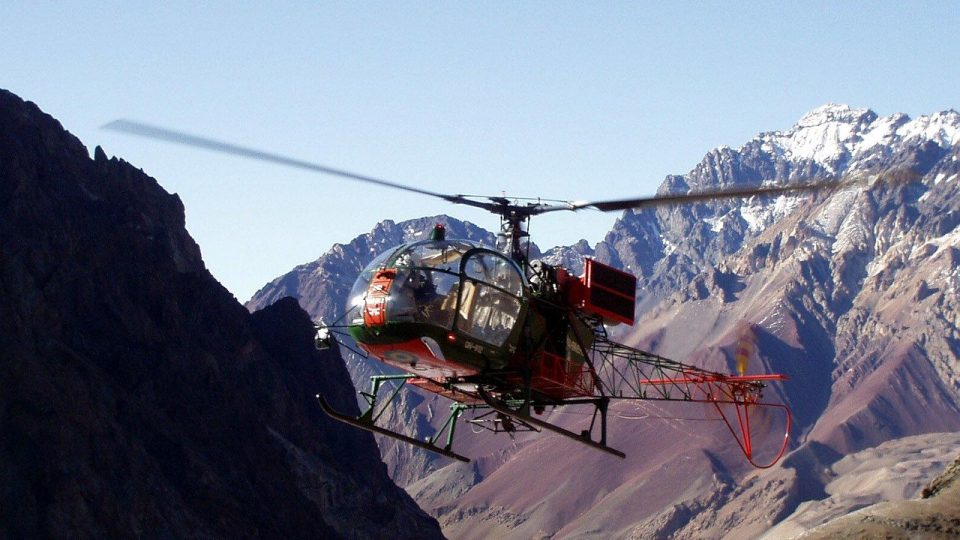
Now, if you have been following trends in adventure tourism over the last few years, you might not be totally surprised to hear that the skies are getting crowded. Getting around the Himalayas isn’t just about walking anymore. Helicopters have become a massive part of the infrastructure out there. They ferry climbers to base camps, fly in vital supplies, rescue injured trekkers, and whisk luxury tourists over the terrain so they can catch a quick glimpse of Everest without the grueling multi-week trek.
And that brings us to the core issue highlighted by this terrible accident. The massive influx of aircraft operating in such a confined, dramatic landscape has created serious safety challenges.
Flying a helicopter at high altitudes is no walk in the park. Pilots have to deal with unpredictable mountain winds, rapidly changing weather patterns, thin air that affects aircraft performance, and rugged terrain that leaves very little room for error. Toss in a growing number of choppers buzzing back and forth along the same popular valleys and routes, and the margin for error shrinks even more.
This crash really puts a spotlight on the hidden pressures of modern adventure travel. On one hand, tourism is a massive economic lifeline for the local communities in Nepal. Trekkers and climbers bring in the money that supports local families, teahouses, and businesses. On the other hand, managing the sheer volume of people—and now, the sheer volume of aircraft—is turning into a logistical headache that has very real, tragic consequences.
Reflecting on Safety in Extreme Tourism
As bloggers and travelers, we love to share the magic of exploring new places. We want everyone to experience the wonder of the natural world, and for many, the Himalayas are the absolute peak of that dream. But stories like this serve as a sobering reminder of how fragile things can be when we push into extreme environments.
Right now, as authorities and aviation experts look into the details of the crash, the broader question remains: how do we balance the booming demand for mountain tourism with the urgent need to keep everyone safe on the ground and in the air? As the number of aircraft continues to grow in these remote regions, policymakers and tour operators are going to have to find better ways to manage the skies before another tragedy strikes.
Our hearts go out to everyone affected by this incident—the families of the person who passed away, those recovering from injuries, and the local community members who deal with the emotional fallout of these events in their backyard.
What are your thoughts on how adventure tourism is changing in places like Everest? Have you noticed the skies getting busier during your own travels? Let’s talk about it respectfully in the comments below. Stay safe out there on your journeys, keep exploring responsibly, and I will catch you in the next post!
source: nytimes.com (www.nytimes.com)