UK Meat Industry Caught in Crosshairs of Europe-Wide Supermarket Fridge Cyber-Attack
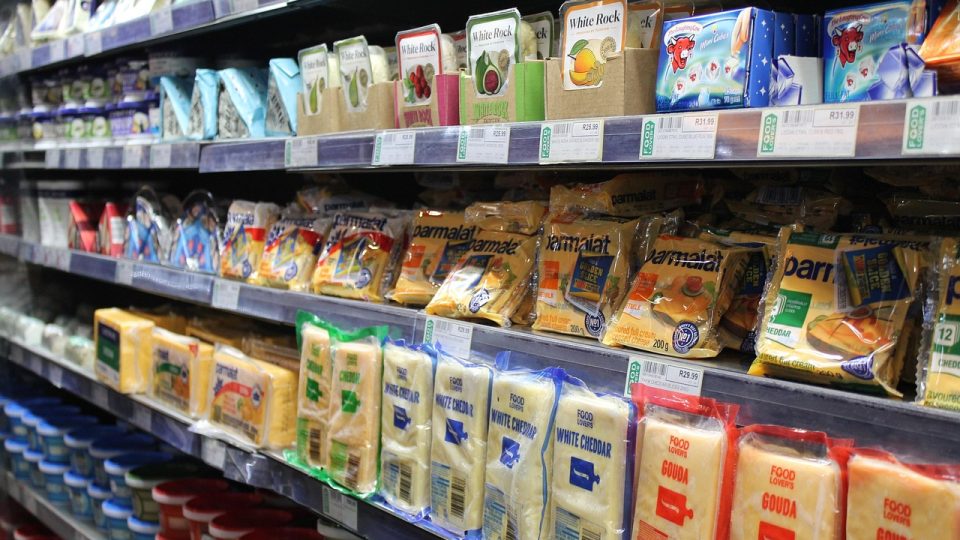
Hey everyone, welcome back to the blog! Today we’re diving into a pretty wild and slightly unsettling story coming out of the tech and supply chain world. If you thought hackers only went after bank accounts, passwords, or big government databases, think again. It turns out that refrigerators and freezers are now officially on the radar of cybercriminals.
Over the last few days, a wave of cyber-attacks has swept across Europe, specifically targeting the commercial refrigeration units used by supermarkets and food suppliers. And yes, the shockwaves have officially reached the UK as well. Let’s break down what actually happened, how it’s affecting businesses, and why cybersecurity experts are sounding the alarm bells.
How the Fridge Hack Went Down
It all kicked off when grocery stores and food suppliers across several European countries noticed something seriously wrong with their cooling systems. Instead of keeping ice cream frozen and fresh produce chilled, the temperature in these units started climbing. In some cases, hackers managed to remotely switch the refrigeration evaporators into defrost mode, causing temperatures to skyrocket.
Countries like Ireland, Sweden, Estonia, Belgium, Luxembourg, the Netherlands, and Finland all reported these bizarre cyber incidents. This follows a similar wave of attacks that hit hundreds of supermarkets in France earlier in October. Back in France, the overnight hacks caused millions of euros worth of fresh and frozen food to spoil completely, forcing store owners to throw everything away.
Store managers have been left devastated by the waste. For instance, Mathieu Tilman, who manages a Delhaize supermarket in Belgium, shared how heartbreaking it is to watch mountains of food go into the trash when so many people around the world struggle to find enough to eat. It’s a harsh reminder that digital attacks can have very physical, messy, and wasteful consequences in the real world.
The Impact on the UK Food Supply Chain
So, how is the UK holding up? Well, the UK’s National Cyber Security Centre (NCSC) stepped in quickly, confirming that they are aware of a couple of instances where vulnerable technology was exploited right here in the UK.
The British Association of Independent Meat Suppliers (AIMS) revealed that some of its members—representing more than 300 independent meat businesses—accidentally became collateral damage in these hacks. AIMS reported that a couple of their members watched their fridges begin to defrost, while one member saw a cold unit spike up to a staggering 100°C (212°F)! Thankfully, those specific devices happened to be empty at the time, meaning no actual meat products were lost.
Even though the immediate damage in the UK has been minimal so far, industry spokespeople are urging businesses to stay extra vigilant. Tony Goodger from AIMS pointed out that this whole mess should serve as a massive wake-up call for everyone in the food supply chain. No matter how small or large your business is, someone out there might view it as a target.
Why Are Refrigerators So Vulnerable?
You might be wondering: why on earth are hackers messing with grocery store freezers? It all comes down to remote control systems. Many modern supermarkets use digital systems to manage and monitor their refrigeration units from afar. However, security researchers discovered months ago that some of these systems contain serious vulnerabilities.
Dr. Richard Horne, the chief executive of the NCSC, weighed in on the situation, explaining that many businesses have neglected their digital infrastructure. According to Horne, companies often keep systems running well past their expiration date without updating them. Worse yet, they sometimes leave these systems connected directly to the internet in unsecure compartments.
To bad actors, this is the ultimate “low-hanging fruit.” And to make matters worse, cybercriminals are increasingly using artificial intelligence to sniff out and exploit these weak spots faster than ever before. Horne emphasized that organizations really need to start investing in renewing their tech infrastructure rather than just hoping for the best.
What Are Retailers Doing About It?
Major UK supermarkets and trade associations aren’t sitting around waiting to get hacked, either. The British Retail Consortium—which counts retail giants like Asda, Lidl, M&S, Sainsbury’s, and Tesco among its members—noted that retailers invest heavily in cybersecurity. They are currently working closely with the NCSC to lock down their cooling systems and ensure everything is as secure as possible.
Paul Chichester, the NCSC’s director of operations, mentioned that their team is actively working with organizations to track down existing vulnerabilities in the UK and patch them up before malicious hackers can take advantage of them.
As technology becomes more deeply integrated into every single part of our daily lives—from the electric grid all the way down to the grocery store freezer aisle—it’s pretty clear that digital security is everyone’s problem. Hopefully, this European wake-up call pushes businesses everywhere to upgrade their digital locks before the next round of strange hacks hits.
What do you think about these bizarre tech attacks? Let me know your thoughts in the comments below, and as always, stay safe out there in both the physical and digital worlds!
source: feeds.bbci.co.uk (www.bbc.co.uk)
Photo by AlbanyColley on Pixabay