Anthrax Outbreak Strikes Hippos in Africa’s Oldest National Park
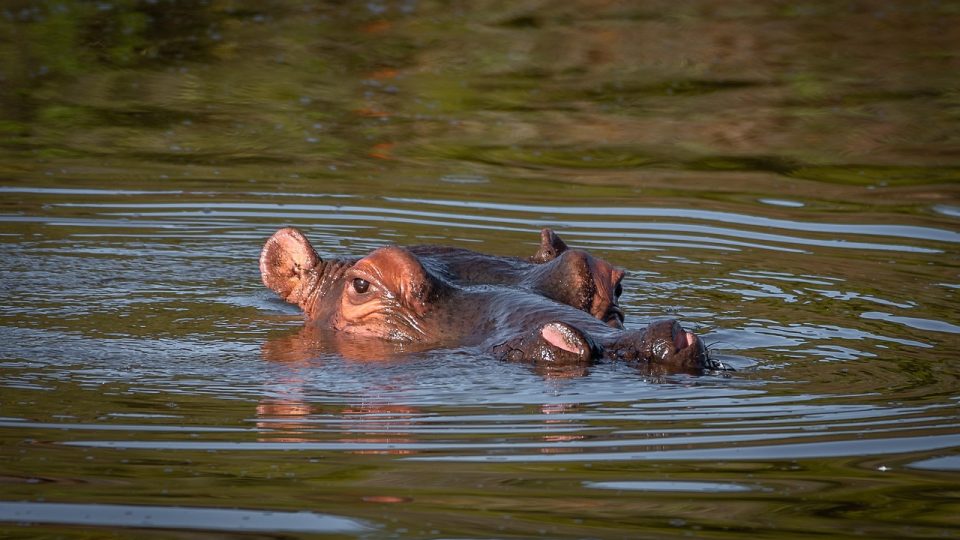
Hey there, fellow animal lovers and news enthusiasts! Grab a cup of coffee and settle in, because I have some heartbreaking wildlife news to share with you today. We are taking a quick trip over to the beautiful continent of Africa to look at a situation unfolding in one of its most legendary and historic natural sanctuaries.
If you have ever read up on African wildlife conservation, you likely already know about Virunga National Park. Located in the Democratic Republic of Congo, this place is an absolute treasure. Not only is it a stunning landscape filled with incredible biodiversity, but it also holds the proud title of being Africa’s oldest national park. It is a rugged, breathtaking home to countless species, fighting hard to protect its incredible ecosystem against various modern challenges.
Unfortunately, the park is currently facing a very grim and difficult natural threat. Park officials have recently shared some troubling updates regarding a sudden and dangerous disease outbreak. It turns out that anthrax has made its way into the park, and it is specifically targeting one of the area’s most iconic and beloved heavyweights: the hippopotamus.
According to the latest reports coming out of the region, this outbreak has already claimed the lives of 30 hippos since September. Thirty majestic animals lost to a completely merciless and microscopic enemy. It is the kind of news that really makes you pause and think about how fragile even the wildest ecosystems can be.
What Exactly Is Happening on the Ground?
To understand why this is such a big deal, we have to look at what anthrax actually is. Without getting too deep into a biology lecture, anthrax is a serious infectious disease caused by spore-forming bacteria. These spores are remarkably tough and can survive in the soil for years, waiting for a host to come along. When animals—especially large herbivores like hippos—graze or ingest contaminated soil and water, the spores can activate, and the results are devastating.
Park authorities and local experts are keeping a very close eye on the situation, monitoring the affected areas to see how the disease is spreading and what can be done to protect the remaining wildlife population. Virunga is no stranger to hardship, having survived years of political instability, security challenges, and various environmental pressures. The dedicated rangers and conservationists working there are some of the toughest, most resilient people on the planet, constantly putting their lives on the line to safeguard the park’s inhabitants.
However, dealing with a microscopic pathogen like anthrax is a completely different kind of battle. You cannot simply build a physical barrier to keep a bacterial spore out. It requires careful monitoring, rapid response, and a deep understanding of animal behavior and environmental health within the park’s vast boundaries.
Why Hippo Populations Matter So Much
Hippos might look like slow, lazy giants just lounging in the mud all day, but they are actually a vital part of the African aquatic and terrestrial ecosystem. These incredible creatures play a huge role in shaping their environments. As they move back and forth between the water and the land, they essentially act as nutrient transport systems, bringing organic matter from terrestrial grazing grounds into aquatic habitats. Their presence, their grazing habits, and even their waste feed local fish populations and help maintain the delicate balance of the rivers and lakes they call home.
Losing 30 hippos in a relatively short window of time since September is a significant blow. In conservation, every single individual matters, especially when dealing with localized populations that are already under pressure from various external threats. An outbreak of this scale serves as a stark reminder of how quickly nature can shift from a thriving paradise to a scene of vulnerability.
Conservation workers are continuing their tireless efforts on the ground, working in difficult conditions to manage the crisis. Their primary goal right now is to track the spread of the illness, safely handle any affected areas, and prevent further losses among the park’s iconic wildlife. It is a tough reminder of the daily realities faced by those who dedicate their lives to protecting our planet’s most treasured wild spaces.
Looking Ahead
As this situation continues to unfold in Virunga National Park, the global conservation community is watching closely and hoping for the best. Stories like this remind us just how interconnected our world is, and how important it is to support the people working on the front lines of wildlife protection.
We will keep an eye out for any further updates from the region, hoping that the outbreak slows down and that the remaining hippos can stay safe in their natural habitat. Until next time, make sure to appreciate the incredible wildlife we share this planet with, and support conservation efforts whenever you can.
Stay curious, take care of yourselves, and I will catch you in the next post!
source: nytimes.com (www.nytimes.com)
Photo by AndreasGoellner on Pixabay