Delhi Air Quality Plummets Into ‘Very Poor’ Zone Ahead of Diwali Celebrations
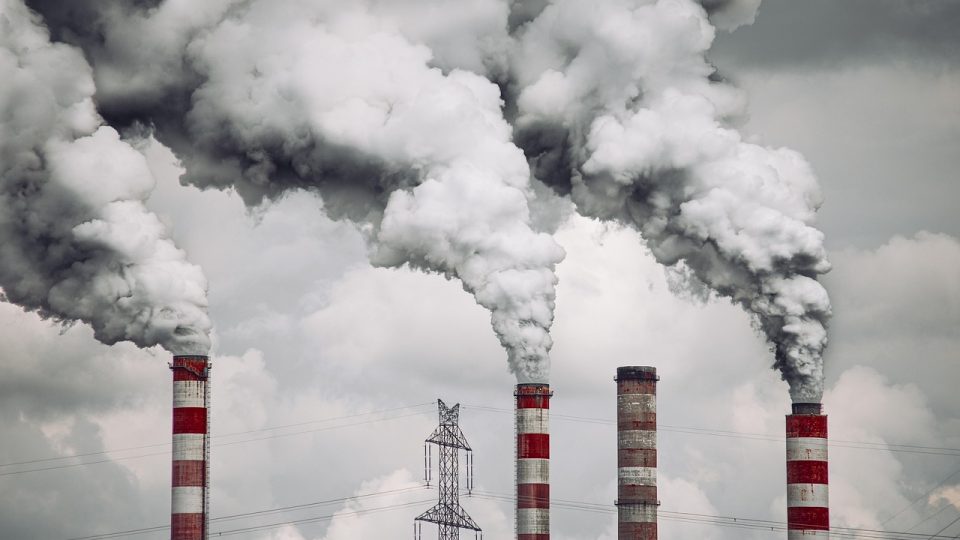
Hey everyone, welcome back to the blog! If you have been keeping an eye on global headlines, you probably already know that winter brings a very familiar and unwelcome visitor to northern India: heavy, choking air pollution. Every single year, as the colder months roll in, the air quality in Delhi and the surrounding regions takes a nosedive. Unfortunately, this year is shaping up to be no different, and local residents are once again facing some serious environmental and health challenges.
Right now, the air quality index, better known as the AQI, has pushed past the 300 mark in the capital city. For those unfamiliar with how this scale works, crossing 300 puts the air squarely into the “very poor” category. If you look at specific readings, the situation becomes even more alarming. For instance, mid-week figures showed the AQI hitting 377. To put that into perspective, the official pollution watchdogs classify anything above 400 as “severe,” meaning Delhi is currently hovering dangerously close to the worst possible tier.
This index measures a handful of major pollutants, but the main culprit causing panic is PM2.5. These are fine particulate matter particles that are roughly thirty times smaller than the width of a human hair. Because they are so microscopic, they can easily bypass your body’s natural defenses, get deep down into your lungs, and even enter your bloodstream. Breathing this kind of polluted air over a prolonged period can trigger serious respiratory problems and make existing health issues much worse. Children and older residents are, as always, the most vulnerable groups when these toxic smogs settle over the city.
Why Does Delhi Face This Crisis Every Winter?
If you are wondering why this happens annually, it comes down to a really unfortunate combination of human activity and seasonal weather patterns. Earlier in October, people actually caught a bit of a break. In fact, Delhi recorded its lowest average AQI for October in eight whole years, thanks in part to a storm that brought much-needed rain and stronger winds to clean out the atmosphere.
Sadly, that clean air didn’t last. As the weather settled back down, temperatures started dropping and wind speeds slowed right back down. On top of that, northwesterly winds returned, blowing smoke straight into the capital from neighboring states like Punjab and Haryana, where farmers burn crop stubble after the harvest.
Add in the usual year-round suspects—such as heavy vehicle exhaust, industrial emissions, and everyday dust—and you have a recipe for environmental disaster. And to make matters even more complicated, this yearly pollution spike is colliding right with one of India’s biggest and most anticipated festivals: Diwali.
Emergency Measures and the Firework Debate
With pollution levels already sitting at “very poor” and the festive season just days away, local authorities have scrambled to put emergency brakes in place. The government has invoked Stage II of something called the Graded Response Action Plan, or GRAP. This is basically a tiered set of emergency protocols that gets progressively stricter the worse the air gets.
Under these latest rules, you will see a lot more intensive road cleaning happening across the city. Authorities are also bumping up parking fees to discourage people from driving their private cars, while simultaneously boosting public transport options. The Delhi Metro, for instance, has rolled out 20 additional weekday train trips to help move commuters efficiently. On top of that, government offices have been directed to stagger their working hours to help cut down on massive traffic jams.
Of course, a massive talking point heading into Diwali is the tradition of lighting firecrackers. The festival is traditionally celebrated with glowing lamps, lights, and plenty of fireworks. However, firecrackers release massive amounts of fine particles and harmful gases into the air, which can easily push an already struggling atmosphere completely over the edge.
Battling the fireworks issue has been an ongoing legal and administrative headache for years. Courts have previously tried implementing outright bans on manufacturing, selling, and using conventional firecrackers, but actually enforcing those bans on the ground has proven to be an uphill battle.
What Are the Rules for Diwali This Year?
Just recently, India’s Supreme Court stepped in with a nuanced ruling for the upcoming Diwali weekend. Instead of a total ban, the court allowed the manufacture, sale, and use of certified “green firecrackers” in Delhi and its surrounding areas, but with very strict time limits attached.
According to the order, people are only allowed to set off these certified crackers during two specific windows: between 06:00 and 07:00 local time, and again between 20:00 and 22:00 on the specific dates of November 7 and November 8. Furthermore, the court placed a strict geographical restriction, banning all fireworks within a 300-meter radius of hospitals, care homes, schools, and other designated silence zones.
So, what exactly are green firecrackers? They are basically a newer breed of fireworks that use modified chemical formulations designed to generate fewer emissions compared to traditional explosives. To make sure they are legit, these green crackers are required to carry special QR codes. This allows both regular buyers and enforcement officials to quickly scan and verify the manufacturer’s details and official certification.
Even with these rules in place, policing the market remains a massive logistical nightmare. The Supreme Court itself acknowledged that conventional, heavily polluting firecrackers have often been illegally sold under the guise of being green alternatives, even when strict bans were technically active. To combat this, police have been ordered to aggressively patrol designated sales areas, conduct random QR-code checks, and seize any illegal fireworks they happen to track down.
If things get even more severe during the peak of the winter season, authorities have plenty of other emergency tools in their back pocket, too. Past severe pollution episodes have forced officials to implement hybrid schooling models, shift workers to work-from-home setups, and place heavy restrictions on specific types of vehicles entering the city.
It Is Not Just Delhi
While Delhi usually grabs the bulk of the international headlines when it comes to Indian air pollution, it is worth noting that the capital isn’t the only major hub dealing with these toxic conditions. India’s bustling financial capital, Mumbai, has also faced startlingly high pollution levels over the past month.
Normally, Mumbai benefits greatly from strong coastal winds that naturally sweep in and disperse floating pollutants. However, even with those coastal advantages, Mumbai’s AQI climbed all the way up to 322 late last month, landing it firmly in the “very poor” bracket as well. Officials blamed that particular spike on a cocktail of low wind speeds, construction dust, local garbage burning, emissions from firecrackers, and pollutants drifting in from surrounding regions.
Fortunately, Mumbai’s story has a slightly more positive recent update. After nearly two weeks of thick, smoggy conditions that had residents flooding social media with hazy photos and videos, the city’s air has cleared up quite a bit. Recent checks put Mumbai’s AQI down at a much healthier 89, which is classified as “satisfactory,” while neighboring Navi Mumbai recorded a “moderate” AQI of 118.
As the holiday weekend approaches and winter truly settles into northern India, all eyes will undoubtedly remain on Delhi’s skies. Whether the combination of strict GRAP regulations, staggered traffic times, and green firecracker limits will be enough to keep the toxic haze at bay remains to be seen. We will keep following the updates and let you know how things develop. Stay safe, breathe carefully, and we will catch you in the next post!
source: feeds.bbci.co.uk (www.bbc.co.uk)
