Housing Push Threatens England’s Ancient Woodlands, Campaigners Warn
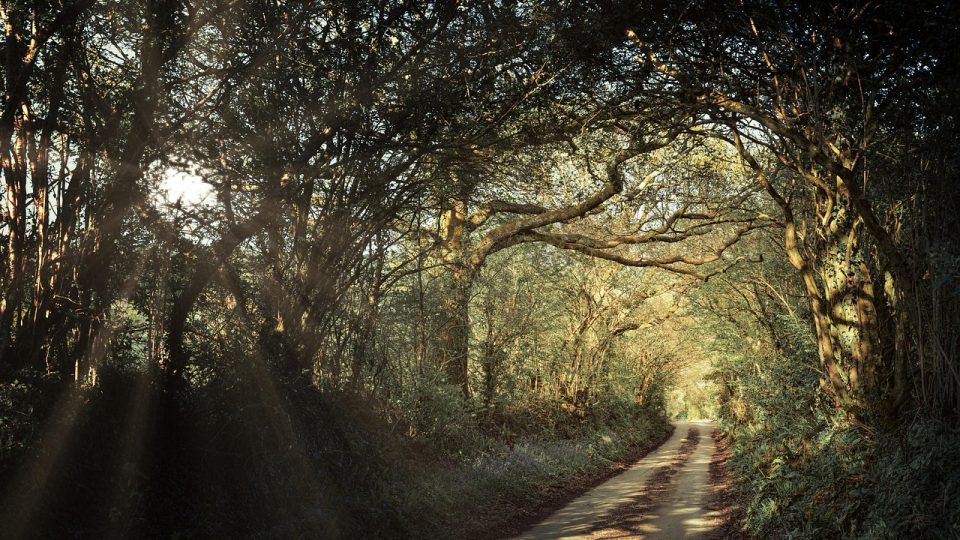
Hey everyone! Welcome back to the blog. Today, we’re diving into a bit of a tricky environmental debate happening over in England. On one side, you have a massive push by the government to build lots of new homes. On the other side, you have local communities and nature lovers fighting tooth and nail to protect some of the country’s oldest, most irreplaceable natural habitats. It’s a classic clash between development and nature conservation, and people are getting pretty worried about what this means for our green spaces.
Let’s break down what’s going on. Officially, planning rules in England state that ancient woodlands—which are habitats that have existed continuously since at least the year 1600—should be heavily protected. According to the guidelines, building on or right next to these areas is only supposed to happen in “wholly exceptional circumstances,” like massive national infrastructure projects. Sounds safe enough, right? Well, campaigners aren’t so sure.
The Labour government has made a hefty pledge to construct 1.5 million new homes by the end of 2029. To help make that happen, they’ve introduced the concept of the “grey belt”—essentially, areas of lower-quality open spaces that can be opened up for construction. But advocacy groups say this policy is accidentally putting ancient woods right in the crosshairs, making it way too easy for developers to build right up against these fragile ecosystems.
Lucy Graebe-Watson, who chairs the group Ancient Woodland UK, points out that existing protections are already feeling the strain. Since recent planning reforms rolled out, local groups have raised a red flag, noticing a spike in development threats near these ancient sites. While the Ministry of Housing, Communities and Local Government maintains that these old woods still enjoy very clear and strong protections, media investigations have found dozens of planned developments sitting immediately next to them.
Real Communities, Real Concerns
Take Chaddesden Wood in Derby, for example. It’s a gorgeous spot that’s at least 400 years old, boasting mature oak and hazel trees, and it’s surrounded by residential areas on multiple sides. Local residents are fiercely protective of it.
Helen Cherry, who has lived near the wood for four decades, is one of more than 1,500 people who spoke out against a proposal to build about 150 houses right on the edge of the nature reserve. She walks her dog there regularly and worries that boxing the ancient woodland in on all sides will totally undermine its status and ruin the stunning views of the Derbyshire Dales. Although Derby City Council actually turned down the plans in 2025, locals spotted surveyors poking around the site over the summer, leaving everyone anxious that the developers might return with tweaked proposals.
On the flip side, the developers behind that project—JGP Properties Limited—stated that their assessments showed there wouldn’t be any loss or deterioration of the ancient woodland or its veteran trees.
We’re seeing similar battles pop up elsewhere too. Over in South Yorkshire, a proposed 130-home development near Gelster Wood has sparked major pushback in the village of Rossington, near Doncaster. More than 2,000 people have backed a local campaign called Preserve Littleworth Lane to challenge the project, arguing it could permanently alter a 350-year-old historic landscape.
Gary Cantrill, a local beekeeper and member of the campaign group, feels like their village is being treated as an easy target for developers who don’t care about local heritage. Beyond just losing the rural scenery, residents are worried about flooding. The fields currently absorb massive amounts of rainwater, and paving them over with concrete could spell trouble for nearby homes and roads.
Why Building Near Woods is Tricky
It’s not just about knocking down trees, either. Ecological experts explain that construction right next to an ancient woodland can cause serious damage even if the woods themselves aren’t cleared. For instance, heavy machinery and building work can mess with underground tree roots that extend far beyond the canopy. Drainage changes from new housing can dry out specific tree species or pollute their water sources.
Plus, let’s talk about the neighbors. Bringing in more human activity means more noise and light pollution, which can easily drive sensitive wildlife species out of the woods. Even things like pet cats roaming around can spell disaster for ground-nesting birds, bats, and other local critters.
Meanwhile, developers like Albemarle Homes—tied to another nearby meadow proposal—have pointed out that the actual woodland isn’t part of the original building site and promised any future plans will follow environmental rules.
The Big Debate Over Rules and Loopholes
Conservation charities like the Royal Society for the Protection of Birds (RSPB) acknowledge that protections for irreplaceable habitats technically saw some improvements in recent updates to the National Planning Policy Framework. However, they argue those safeguards still aren’t enough.
Carl Bunnage, the RSPB’s head of nature policy, argues that the “wholly exceptional circumstances” clause acts as a giant loophole for developers—especially in regions desperate for more housing. He points out that planning reforms heavily lean toward economic growth and housing targets, often letting conservation take a back seat. He raises a pretty fair question: if we give the strongest legal protections to built heritage like historic buildings, why shouldn’t we do the exact same thing for irreplaceable natural habitats?
On the government side, housing officials insist that national planning rules explicitly require councils to refuse developments that would cause the loss or deterioration of ancient woodland. They maintain that exceptions are extremely limited—mostly restricted to nationally significant infrastructure—and require serious compensation measures if they do go ahead.
It’s definitely a tough spot. Everyone agrees that more housing is desperately needed, but the cost to England’s oldest, greenest treasures might just be too high for local communities to bear. What do you guys think? Is there a way to balance the housing shortage without sacrificing centuries-old nature? Let me know your thoughts in the comments below, and I’ll catch you in the next post!
source: feeds.bbci.co.uk (www.bbc.co.uk)