New Multi-Cancer Blood Tests Heading to Select GP Surgeries in England

Hey everyone! Welcome back to the blog. Today, we are diving into some genuinely fascinating healthcare news coming out of England that could completely change how doctors spot certain types of cancer. If you have ever been to the doctor with vague, nagging symptoms and felt the frustration of not knowing what is going on, this update is definitely for you.
Picture this: a single blood draw that can screen for multiple types of cancer at the same time. Sounds like something straight out of a science fiction movie, right? Well, it is actually becoming a reality for a lucky few very soon. A brand-new trial is rolling out across around 200 general practitioner surgeries in England, bringing innovative multi-cancer blood tests directly to everyday patients.
What Is This New Trial All About?
The main goal here is to tackle those sneaky, hard-to-diagnose abdominal cancers. We are talking about conditions like liver, ovarian, and pancreatic cancer—diseases that are notoriously tricky to catch early because they love to hide. Too often, these specific cancers are only discovered after they have already spread throughout the body, making treatment a massive uphill battle.
To change that narrative, the government-backed trial is stepping in. Led by the University of Birmingham, this project will test whether these advanced blood screenings are accurate and reliable enough to eventually be rolled out across the entire National Health Service. It is all about giving doctors better tools to handle patients who walk in with vague, hard-to-pinpoint complaints.
How Do the Tests Actually Work?
So, how does the magic happen? It is surprisingly straightforward from the patient’s perspective. When eligible individuals visit their local GP practice, they will simply provide one or two tubes of blood alongside any other routine tests they might need.
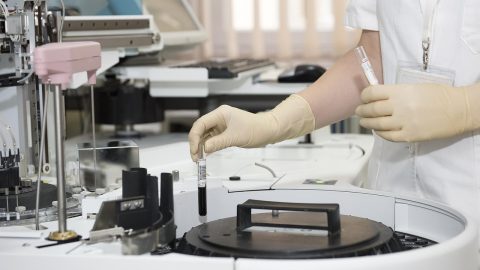
Behind the scenes, scientists take those samples and look for specific proteins or tiny fragments of DNA floating around in the bloodstream. These molecular markers can act like an early warning system, signaling the presence of cancer. In some cases, the analysis might even help point doctors toward the specific part of the body where a tumor is hiding.
The upcoming evaluation—officially known as the STRIDE-RCT trial—is casting a pretty wide net. It is designed to look for signs of numerous different cancers, including:
- Bowel and small bowel cancer
- Stomach and oesophageal cancer
- Pancreatic, liver, bile duct, and gallbladder cancer
- Ovarian and endometrial cancer
- Kidney, bladder, and prostate cancer
That is a huge range of conditions covered by just a couple of tubes of blood!
Who Can Take Part and What Are the Caveats?
If you are wondering who qualifies, the trial is focusing on more than 20,000 patients aged 45 and over. These are folks who are already visiting their GP with symptoms like persistent pain or ongoing bloating—symptoms that can easily be brushed off or mistaken for much less serious everyday issues.
However, experts are quick to point out that these tests are not magic crystal balls. A positive result does not automatically mean a person definitely has cancer, and a negative result is not a 100 percent guarantee that everything is completely clear. Instead, the results are meant to serve as a crucial guide, helping medical professionals figure out which patients need fast-tracked, deeper investigations.
This is not the absolute first time scientists have looked into multi-cancer blood screenings, either. You might remember hearing about another NHS project involving a test called Galleri. While that particular test recently fell short of its primary goal of reducing late-stage diagnoses, researchers are still reviewing its potential benefits and learning valuable lessons for the future of oncology.
Why Early Detection Matters So Much
Ask any medical professional, and they will tell you the same thing: catching cancer early is an absolute game-changer. Professor Peter Johnson, who serves as NHS England’s national clinical director for cancer, noted that diagnosing abdominal cancers early has always been a massive hurdle because the early warning signs look like so many other common ailments.
The numbers speak for themselves. In England alone, roughly 71,000 people receive a diagnosis each year for pancreatic, stomach, liver, ovarian, or bowel cancer, and tragically, nearly 35,000 people lose their lives to these specific diseases. Giving doctors a simpler way to catch these issues sooner could drastically improve survival rates and treatment success.
Health Secretary Yvette Cooper shared her optimism about the project, expressing hope that simple blood tests will make it much easier to identify patients who need urgent medical attention before things progress too far.
Meanwhile, Michelle Mitchell from Cancer Research UK highlighted the sheer relief this could bring to primary care. She pointed out that GPs have struggled for a long time with the uncertainty surrounding vague symptoms, and this trial represents a vital stepping stone toward giving doctors the clarity they desperately need.
It is definitely a space worth watching as the trial progresses and researchers gather data. What are your thoughts on using routine blood work to screen for multiple cancers? Could this be the future of preventative healthcare? Let me know your thoughts in the comments below, and as always, stay healthy and informed. Catch you in the next post!
source: feeds.bbci.co.uk (www.bbc.co.uk)