PM Burnham Calls for Global Unity on Cost of Living After US Midterms
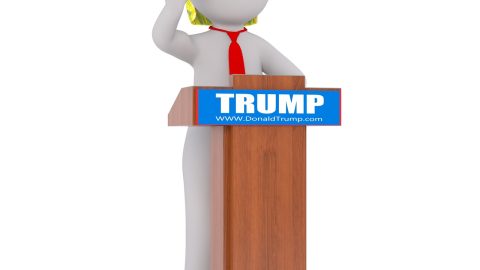
Hey everyone! Welcome back to the blog. Today, we are diving straight into some fascinating global political ripples following a major electoral showdown across the pond. If you’ve been keeping an eye on the news, you probably know that the United States recently wrapped up its midterm elections—and let’s just say, things didn’t go smoothly for everyone involved. Specifically, Donald Trump’s Republican party took quite a heavy beating at the polls.
Naturally, political leaders from all over the world are reacting to the shift in the American political landscape. Among them is Prime Minister Andy Burnham, who had some pretty interesting thoughts to share while chatting with broadcasters over at the Commonwealth leaders summit. Let’s break down what’s going on and what it all means for the rest of us.
The US Midterm Fallout and Rising Fuel Prices
So, why did the Republicans suffer such massive losses in the midterms? Well, if you ask the US president himself, the answer is pretty clear: it all boils down to the wallet. In a conversation with Fox News, the president openly admitted that soaring fuel prices played a massive role in his party’s electoral defeats.
He pointed the finger directly at the ongoing conflict involving Iran, acknowledging that voters simply weren’t thrilled about dealing with the short-term economic pain at the gas pump. To quote the president directly: “People agree with what I’m doing on Iran but they really probably weren’t willing to do the short term consequences of paying more for gasoline – I understand that.”
Analysts and political observers have noted that indirect talks between the nations have been stalled for months now. In fact, some insiders close to the Iranian regime apparently hoped that dragging out the negotiations and letting fuel prices stay high would deal a heavy blow to the administration at the ballot box—and, as the midterms proved, it looks like that strategy worked like a charm.
Prime Minister Burnham’s Take: Time to Unite
Enter Prime Minister Andy Burnham. Speaking from the Commonwealth summit, Burnham gave his own hot take on the US results. Far from panicking about what an unpredictable American leader might do next, Burnham sees a silver lining and a golden opportunity.
He believes the American electorate has sent a loud, clear message: they want to see global leaders stop the noise and focus on the things that genuinely impact everyday lives. And what is the number one issue affecting everyone right now? You guessed it—the cost of living.
Burnham pointed out that tackling the cost of living has been his absolute top priority ever since he stepped foot into Downing Street for his first three months in office, and his government has already taken a few steps to address it. However, he was also brutally honest about the limitations of domestic policy when global conflicts are raging.
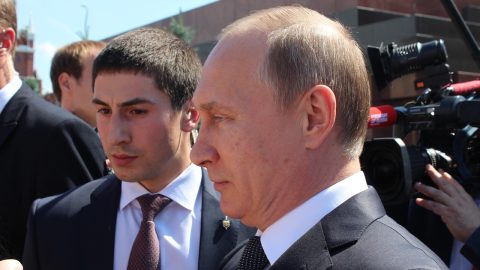
Burnham made it clear that he cannot successfully bring down cost-of-living pressures for everyday people until two massive international conflicts are resolved: the ongoing situation in the Middle East and the war in Ukraine, which was initiated by Russia. According to the Prime Minister, these are the exact issues the international community needs to rally behind right now. He even promised that when he gets on the phone with other world leaders, unity on this front will be his primary ask.
Back Home: Debates in Parliament
While Burnham was busy at the Commonwealth summit, the political drama was playing out back home too. During the usual fiery session of Prime Minister’s Questions, Cabinet Office Minister Louise Haigh had to step in and field the tough questions in Burnham’s absence.
Liberal Democrat deputy leader Daisy Cooper didn’t hold back. She argued that American voters had officially rejected the administration’s “warmongering” and the subsequent economic chaos it unleashed globally. Cooper also voiced deep concern over rumors that further military strikes on Iran might still be on the table. She urged the government to stand firm with reliable allies and deliver an unequivocal message to Washington and regional partners that enough is enough.
In response, Minister Haigh emphasized that the US remains one of our most crucial allies, but reiterated that the government’s primary focus right now is absolute de-escalation. She didn’t mince words about the domestic impact either, calling the Iran war “catastrophic for the cost of living crisis.” She even took a subtle swipe at opposition parties, suggesting that the Conservatives and Reform should seriously rethink their judgment for being so eager to jump into the conflict in the first place.
What’s Next for the White House and Downing Street?
Even though the Democrats have managed to take control of the US Congress—meaning they now have the power to put some roadblocks in place regarding funding—the American president still holds a massive amount of authority when it comes to foreign policy. When asked recently by the Financial Times about potential military actions in the coming week, the response was characteristically blunt: the US is “locked and loaded if we need to go, but there may be no need for it.”
Meanwhile, back in the UK, Prime Minister Burnham is hard at work trying to put together a comprehensive 10-year plan for government. The big question hanging in the air is whether his long-term domestic strategy will end up getting derailed by unpredictable foreign policy moves from the White House during the president’s final two years in office.
Only time will tell how this plays out on the global stage. Will world leaders actually heed Burnham’s call and unite to tackle the cost of living by resolving these ongoing conflicts? Or are we in for a bumpy ride ahead? Drop your thoughts in the comments below, and stay tuned for more updates right here on the blog. See you in the next post!
source: feeds.bbci.co.uk (www.bbc.co.uk)