UK Citizen Contracts Ebola in the Democratic Republic of Congo
Hey everyone, welcome back to the blog. Today we are looking at a serious international health update involving a British citizen currently caught up in the severe Ebola outbreak happening over in the Democratic Republic of Congo.
If you have been keeping up with global health news, you probably know that the Democratic Republic of Congo has been dealing with what is sadly the deadliest Ebola outbreak in the entire history of the country. Now, the UK government has officially confirmed that a British national currently located in the region has tested positive for the virus.
Let’s dive into what we know so far, the current situation on the ground, and what this means going forward.
What the UK Government is Saying
Whenever a headline mentions Ebola, it is totally natural for people to feel a bit anxious or worried about a potential wider spread. However, officials have been quick to calm any panic.
A spokesperson for the UK government has come forward to state that the UK has extremely well-established procedures in place specifically for dealing with medical cases of this nature. According to the government, those exact processes have already been activated following the positive test result.
Crucially, the official stance is that the overall risk to the general public back in the UK remains very low. Imported cases of Ebola into the UK are exceptionally rare, and historically, previous imported cases have resulted in zero deaths.
Looking back at history, there have only ever been four confirmed cases of the virus recorded in the UK:
- One case back in 1976, which unfortunately stemmed from a laboratory incident.
- Three separate cases involving healthcare workers who were bravely responding to the massive West African outbreak between 2014 and 2015.
Questions Surrounding Medical Evacuation
One of the big questions people always ask in these situations is whether the patient will be flown back home for specialized medical treatment.
As of right now, the Foreign Office has chosen not to officially confirm whether this particular patient will be brought back to the UK for care. That said, it is worth noting that a UK resident who happened to be exposed to the virus back in July was flown back home for medical attention, and previous British nationals infected while traveling abroad have also been repatriated for treatment in the past.
Adding to that, Reuters news agency has reported that the latest patient is actually a healthcare worker and will indeed be brought over to the UK. However, it is important to point out that this detail came from an internal document that BBC News has not independently seen or verified yet, so we will have to wait for official updates to see how the evacuation or treatment plan plays out.
The government spokesperson emphasized that further information will be shared in due course as and when it becomes appropriate to do so.
The Situation in the Democratic Republic of Congo
To understand the weight of this news, we really have to look at the scale of the crisis currently unfolding in the Democratic Republic of Congo. This ongoing outbreak, which started back in May, has unfortunately ballooned into the deadliest the nation has ever faced.
The numbers coming out of the region are staggering:
- More than 10,000 confirmed cases have been recorded since the outbreak began.
- The crisis has sadly led to more than 5,000 deaths so far.
- A fatality rate of 48.6% was officially reported at the end of last month.
This new diagnosis marks the very first confirmed case of a UK national contracting Ebola during this specific, highly destructive wave of the virus in the DRC.
Understanding the Virus
Ebola is notoriously rare, but it is also exceptionally deadly if it is not treated quickly and effectively. To keep everyone informed, it helps to know how the virus behaves and what symptoms to look out for.
Early symptoms often start off relatively generic, including things like vomiting and diarrhea. However, the illness can progress rapidly and dangerously to severe complications, such as internal bleeding and complete organ failure.
When it comes to transmission, the virus spreads directly from one person to another through physical contact with infected bodily fluids—such as blood, vomit, or other fluids from a sick individual.
What makes the current outbreak in the DRC particularly challenging is that it is being driven by the Bundibugyo variant of the virus, and importantly, there is currently no approved vaccine available for this specific variant. Furthermore, while the crisis is heavily concentrated in the DRC, additional cases have also been officially confirmed in neighboring countries including Kenya, Nigeria, and Uganda.
Wrapping Up
It is definitely a sobering reminder of the incredible risks that healthcare workers and international personnel face when stepping into active outbreak zones to help others. Our thoughts go out to the patient and everyone affected by this ongoing health emergency.
As always, I will keep an eye out for any further updates from official sources and let you all know if anything changes regarding the patient’s condition or repatriation plans. Stay safe, take care of yourselves, and I will see you in the next post!
source: feeds.bbci.co.uk (www.bbc.co.uk)
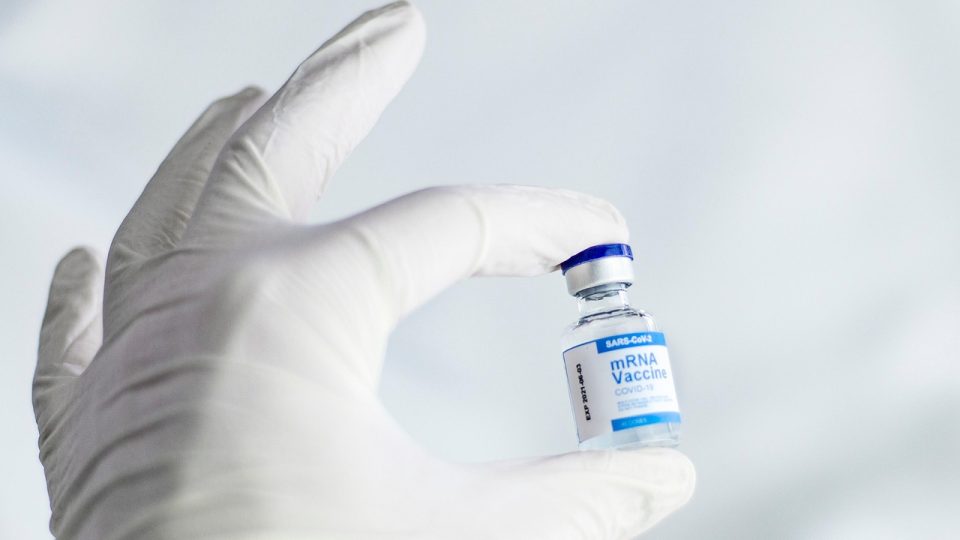
Photo by spencerbdavis1 on Pixabay