US Prosecutors Drop All Criminal Charges Against Harvard Scientist Arrested Over Frog Embryos
Hey everyone, welcome back to the blog! Today, we are diving into a rather wild and stressful story coming out of the academic and legal world. If you have been following immigration news lately, you might have heard about the wave of high-profile arrests targeting academics right after Donald Trump stepped back into the White House with a promise to ramp up immigration crackdowns. Well, one of those cases just took a major turn, and thankfully, it is a good one for the person involved.
Federal prosecutors have officially decided to drop all criminal charges against Kseniia Petrova, a 31-year-old Russian scientist who ended up spending four months locked up in immigration detention. If you are wondering how a researcher ends up in that kind of nightmare, the details are pretty wild. Let’s break down what actually happened and how this whole ordeal finally came to an end.
From a French Lab to Boston Logan Airport
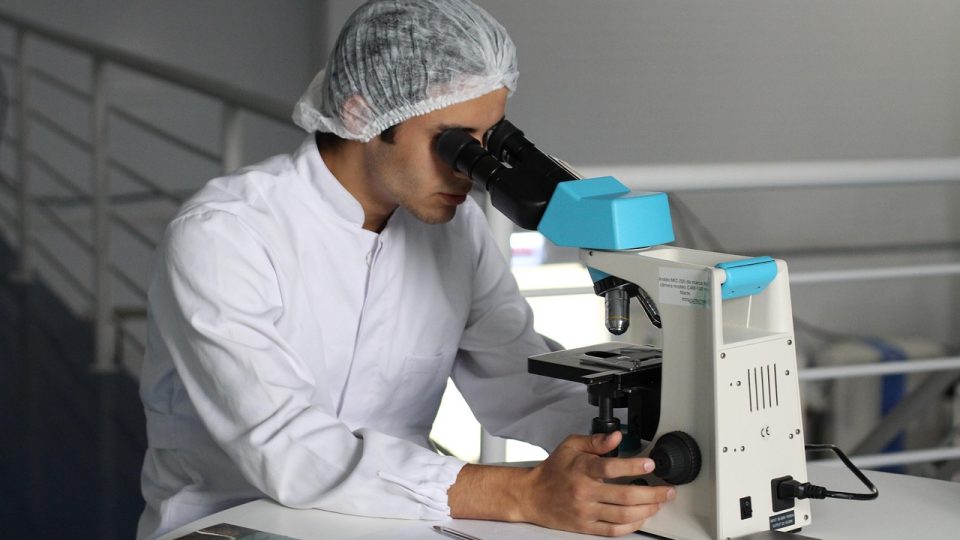
Back in March 2025, Kseniia Petrova was returning to the United States after a vacation in France. While she was over there, she visited a lab that specializes in cutting extremely thin sections of frog embryos. She picked up a package of these samples to bring back with her so she could use them for cancer research at Harvard Medical School—work that her colleagues at Harvard later described as absolutely spectacular.
However, things took a sharp turn for the worse the moment she landed at Logan International Airport. Customs officials stopped her, questioned her extensively about the biological samples she was carrying, and things quickly escalated. Instead of just a routine customs check, Petrova ended up facing serious criminal charges, including smuggling, concealing facts, and making false statements to government officials.
To make matters even heavier, Petrova’s backstory is no joke. She had actually fled Russia in the first place after getting arrested for peacefully protesting against the invasion of Ukraine. Naturally, when she was detained by US authorities, her biggest and most terrifying fear was that she would be deported right back to Russia, where she could easily face imprisonment.
The Legal Battle and Release
Petrova spent four terrifying months in immigration detention. Her arrest quickly became one of the most shocking examples of the early immigration crackdown targeting academic professionals under the returning Trump administration.
Fortunately, the case started falling apart for the government when a federal judge stepped in and ruled that a customs officer had actually improperly canceled Petrova’s visa in the first place. That crucial ruling paved the way for her release, and by May of last year, a judge ordered her to be let out of detention.
Her legal team didn’t stop there, though. They aggressively challenged the ongoing criminal prosecution, arguing that the charges were totally vindictive. They pointed out that criminal charges are hardly ever brought against people for this kind of minor conduct, and claimed the government only went after her criminally after it became obvious that Petrova was going to win her immigration battle.
Why the Prosecution Was Dropped
The legal saga finally reached its conclusion when US Attorney Leah Foley submitted a motion to dismiss the entire case. The decision was reportedly made based on recent developments and a careful evaluation of the office’s priorities and resources.
Foley wrote in the motion that at this current stage, the resource costs of pushing forward with the prosecution simply outweighed any public interest in seeing it through to a trial. At the same time, the filing claimed that Petrova’s allegations of vindictive and selective prosecution were meritless.
On Wednesday, US District Judge Leo Sorokin officially granted the request and dismissed all charges against Petrova without even needing to hold a hearing.
Reactions From the Legal Team and Officials
Once the dust settled, Petrova’s defense attorney, Daniel Marx, didn’t hold back when expressing his thoughts on how the Department of Justice handled the situation. In a public statement, Marx strongly criticized the entire ordeal.
He pointed out that the DOJ should never have brought a bizarre “smuggling” prosecution against a talented Harvard scientist in the first place. Marx emphasized that Petrova was only trying to advance medical research into aging—research that could potentially benefit everyone—and noted that the scientific samples she was carrying were completely inert, non-living, non-toxic frog embryos that never posed any danger to anyone at all.
On the other side of things, the Department of Homeland Security (DHS) stood by their initial actions, maintaining that Petrova’s arrest was justified because she had allegedly lied to federal officers regarding the frog embryos.
Even with the Department of Homeland Security defending their stance, the fact remains that the criminal charges are completely gone, sparing Petrova from a terrifying criminal trial and the constant threat of being sent back to Russia.
Petrova is just one of several noncitizen academics who have faced arrest or the looming threat of deportation under the current administration’s strict immigration policies. But for now, she can finally put this chapter behind her and hopefully get back to the important medical research she came to Harvard to do.
What do you all think about this case? Did the authorities overreact, or was the initial suspicion warranted? Let me know your thoughts in the comments below, and I’ll catch you all in the next blog post!
source: theguardian.com (www.theguardian.com)