French Labour Unions Join Forces as Cost of Living Protests Sweep the Country
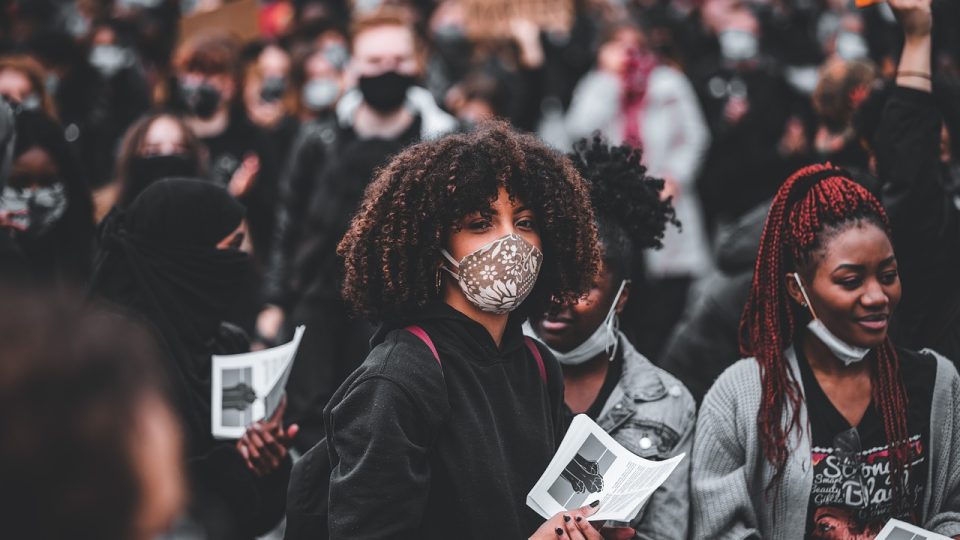
Hey there, blog readers! Welcome back to the site. If you have been keeping an eye on international news lately, you probably know that France is once again at the center of some massive social unrest. Things have been bubbling up for a while now, and recently, the situation took a significant leap forward. We are talking about massive crowds hitting the streets, sweeping strikes, and a government scrambling to figure out its next move as the cost of living continues to squeeze everyday citizens.
Let’s dive right into what is going on over there and break down the numbers, the chaos, and what the unions are actually demanding.
A Massive Surge in Turnout
If you thought previous demonstrations were big, Thursday’s mobilization proved that frustration in France has reached an entirely new tier. According to the country’s interior ministry, more than 600,000 demonstrators poured into the streets for rallies and marches nationwide. But, as is usually the case when comparing official figures with union estimates, the numbers look a whole lot bigger depending on who you ask.
The left-wing CGT union came forward with a staggering estimate of 1.57 million participants for Thursday’s actions. The union proudly declared this turnout as a level of mobilization completely unmatched since 2023, pointing to huge gatherings in major urban centers like Paris, Marseille, Bordeaux, and Lille. Sophie Binet, the head of the CGT, didn’t mince words either. She made it clear that the movement has escalated and warned that the only thing capable of stopping these demonstrations is a direct and satisfactory response to their demands from the government.
To put things in perspective, these provisional numbers actually surpassed a previous major day of rallies, which had already set a high watermark. During that earlier mobilization, the interior ministry counted 550,000 people while unions claimed 800,000. Marylise Léon, the leader of another major union, the CFDT, had noted earlier in the day that she would be thrilled if Thursday simply matched those past figures. Well, it is safe to say they blew past expectations.
The whole wave actually kicked off back in September, starting quietly enough with frustrations over poor conditions and a lack of resources in high schools—known locally as lycées. From there, the discontent spilled over into universities, caught the attention of general workers, and even breathed new life into the famous “yellow-vest” movement, which originally made global headlines a few years back over high prices.
Disruption Across the Nation
With five major unions joining forces for this coordinated day of action, the impact was felt everywhere. Schools, hospitals, and public transportation networks all reported varying degrees of disruption.
Government figures indicated that nearly 10 percent of civil servants walked off the job. In the education sector specifically, the ministry reported that 16 percent of teachers went on strike. Meanwhile, unions pointed out that the disruption hit more than one in four high schools and the vast majority of universities across the country.
Even some of France’s most iconic landmarks felt the pinch. Tourists hoping to catch a glimpse of the Eiffel Tower or wander through certain exhibition rooms at the Louvre museum in Paris were met with closures. Energy production wasn’t spared either; workers were asked to halt production at oil refineries, and because of disruptions at nuclear facilities, the country was expected to import more electricity than it generated on that particular day.
As the protests swelled, the government faced a massive security challenge. Interior Minister Laurent Nuñez deployed a whopping 70,000 police officers ahead of the marches, promising an extremely firm response to any violence. While the vast majority of protesters marched peacefully, pockets of unrest did pop up in several cities.
In Lyon, hundreds of activists from the radical left-wing “black bloc” clashed with police, and a car was set ablaze near a bridge over the Rhône river. Similar clashes were reported in the north-western city of Rennes, where officials noted that a hostile group of masked individuals had gathered near the main union route. Law enforcement had to deploy tear gas in Bordeaux to clear a square, and in a northern Paris suburb, a teenager suffered injuries in a stabbing incident linked to a high-school blockade.
Fortunately, officials noted that this round of trouble did not reach the destructive levels seen during an earlier day of protests in October, when thousands of stores were looted and historic buildings caught fire. The march in central Paris was ultimately allowed to proceed, though authorities altered the proposed route to keep demonstrators away from sensitive government locations like the National Assembly, the Élysée Palace, and the prime minister’s residence.
What Are the Protesters Demanding?
At the heart of all this anger is a simple, pressing issue: people feel they simply cannot afford to live comfortably anymore. A broad coalition representing both public and private sector workers, pensioners, and young people came together to demand immediate financial relief.
A primary focus for the unions is a raise in the minimum wage, known in France as the Smic, which currently sits at €12.31 an hour. But the demands don’t stop there. Marylise Léon of the CFDT pointed out that workers need more breathing room generally, calling for a net increase of €100 a month across the board to help combat the soaring cost of living.
Alice De Brito, the vice-president of the Unef student union, summed up the broader sentiment by explaining that the movement has grown far beyond just educational funding. It is now about the state of all public services across France.
The government has tried to take some steps to calm the public down. Ministers previously attempted to lower fuel costs by dipping into strategic reserves and releasing millions of barrels of diesel. They also made promises to high school students regarding the reform and eventual replacement of the deeply unpopular Parcoursup university admissions platform by 2028.
However, the administration finds itself in a tough spot. Ministers are actively trying to slash tens of billions of euros from the budget in an effort to bring the country’s deficit down to 5 percent of GDP, meaning their financial wiggle room is pretty minimal.
What Happens Next?
As darkness fell over Paris, Prime Minister Sébastien Lecornu stepped in to announce that he would convene a “social conference” with union leaders and employers. The goal of this upcoming meeting is to tackle questions surrounding purchasing power and wages directly.
Whether this gesture will be enough to deflate the movement remains to be seen. The revived “yellow-vest” factions have already called for additional blockades and demonstrations to continue through the weekend, signaling that this fight is far from over.
It is definitely a tense time in France, and as these economic pressures continue to mount across Europe, we will be watching closely to see how the government responds to a populace that clearly wants a change. Stay tuned to the blog for more updates as this story develops!
source: feeds.bbci.co.uk (www.bbc.co.uk)
Photo by justifotka on Pixabay