Diwali Lights Up India Amid Festive Cheer and Environmental Concerns
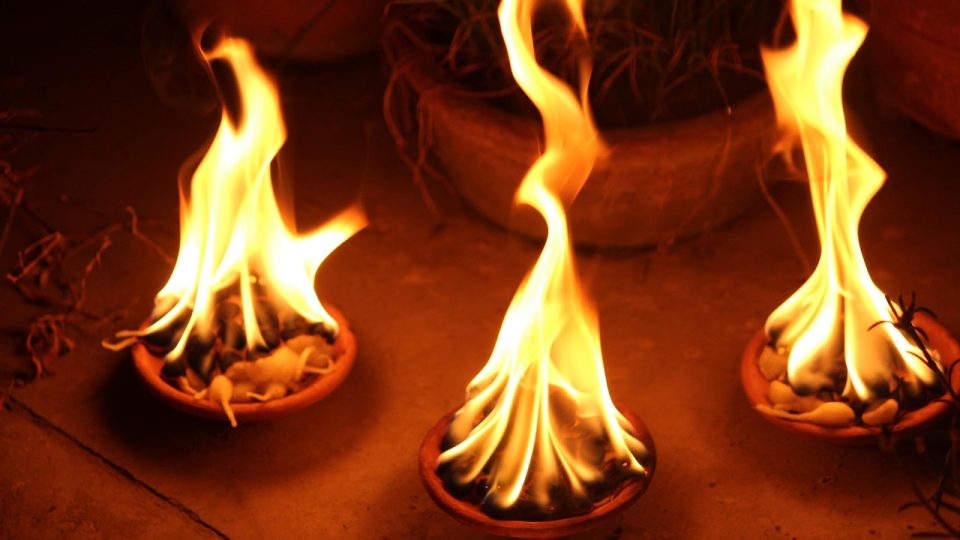
Hey there, fellow blog readers! Grab a cup of coffee or your favorite tea, because today we are talking about one of the most vibrant, glowing, and joyful celebrations happening right now. If you have been keeping an eye on global news, you probably know that millions of people across India and around the world are currently immersed in the magic of Diwali, the incredible Hindu festival of lights.
It is that time of the year when homes, bustling offices, ancient temples, and entire streets transform into glowing wonderlands. People light up traditional oil lamps and string up colorful lights everywhere. The whole vibe is all about celebrating the timeless victory of light over darkness. Pretty cool, right?
Understanding the Festival of Lights
So, when does all this magic actually happen? The festival officially falls on the darkest night of the Hindu lunar month of Kartik. On this particular night, the moon decides to stay completely hidden in the sky, making the glow from millions of oil lamps and fairy lights look even more magical and striking.
Of course, traditions can vary quite a bit depending on which region of India you are visiting or which community you talk to. However, some classic Diwali staples are pretty much universal. We are talking about heartfelt prayers, cozy family gatherings, sharing loads of delicious traditional sweets, and, of course, lighting firecrackers.
Speaking of traditions, Diwali is deeply rooted in the epic story of Lord Ram. The festival marks his triumphant return to Ayodhya after defeating Ravan, the main antagonist in the Hindu epic Ramayana. At its core, the celebration is a powerful reminder of how good always prevails over evil.
A Multi-Day Celebration of Joy
Diwali isn’t just a one-night affair; it is actually a multi-day celebration packed with different rituals and special moments. The festivities officially kick off with Dhanteras. During this day, people believe that buying new utensils, gold, or silver is super auspicious and will bring plenty of good fortune into their homes.
Next up is the second day, often called Chhoti Diwali, or small Diwali. This is when folks start lighting up their oil lamps, and some households even get a head start on the firecrackers.
Then comes the third day, which is the main event! On this big day, families gather together for evening prayers dedicated to Lakshmi, the Hindu goddess of wealth and prosperity. After that, it is time for massive festive meals, exchanging gifts, and enjoying more fireworks.
The fourth day brings different traditions depending on where you are in India. Some communities use it for family get-togethers, while others ring in their New Year celebrations. Finally, the fifth and final day is known as Bhai Dooj, a special occasion dedicated to celebrating the unique bond shared between brothers and sisters.
Preparing Homes and Markets
In the days leading up to the main events, the preparation is half the fun. Families spend time thoroughly cleaning and decorating their living spaces. You will see homes decked out in fresh flowers, bright lights, and handmade clay lamps known as diyas, which are carefully crafted and painted by local potters.
If you step outside, the local markets are absolute carnivals of color. Streets are packed with shoppers hunting for festive essentials underneath glowing decorations. People create stunning, colorful patterns called rangoli right at the entrances of their homes using colored powders and flower petals, like bright marigolds and chrysanthemums.
Let’s not forget about the food! Sweets are an absolute must-have during Diwali. They are offered during daily prayers and generously shared among family, friends, and neighbors. Even the financial world gets in on the festive luck—India’s stock exchanges traditionally host a special one-hour trading session for investors who think buying and sharing shares during this time brings good luck.
Beyond Boundaries and Beliefs
One of the most wonderful things about Diwali is that its appeal goes way beyond just one religion, drawing in people from all sorts of different communities and backgrounds.
For instance, Sikhs celebrate Bandi Chhor Divas, or Prisoner Release Day, during this period. This observance commemorates the historical release of their sixth guru, Guru Hargobind, from imprisonment at Gwalior Fort back in the early 17th century.
Meanwhile, for Jains, the festival marks a deeply spiritual milestone: the attainment of moksha, which is liberation from the endless cycle of rebirth, by Lord Mahavira, the 24th and final Tirthankara of the current era.
And because Indian communities are spread out all over the globe, Diwali has truly become an international celebration. Friends and families everywhere come together to host festive gatherings and share gifts, no matter where they happen to live in the world.
Tackling the Air Pollution Challenge
However, alongside all the glowing lights and joyful feasts, there is a very real conversation happening around the environmental impact of the celebrations—specifically concerning air pollution in northern India.
Seasonal weather conditions, combined with the burning of crop residue, often lead to worsening air quality at this time of year. Unfortunately, setting off conventional firecrackers during Diwali can make an already tough situation much worse.
Just look at the numbers before the festival: in the capital city of Delhi, the air quality index hit 391 in the morning, landing it firmly in the “very poor” category. Experts and residents alike have shared growing concerns that pollution levels could spike even higher once the main celebrations wrap up.
India’s financial capital, Mumbai, has also dealt with high pollution recently, though air quality improved to “moderate” levels of 104 recently. Even so, people worry that holiday fireworks might trigger another unwanted surge.
To help curb the smog, India’s Supreme Court stepped in by permitting the manufacture, sale, and use of certified “green” firecrackers in Delhi and surrounding areas for a limited time. These eco-friendly fireworks are engineered to produce 20 to 30 percent fewer emissions than traditional ones.
Even with these measures, critics still debate how effective green firecrackers really are at protecting the air, especially with worries that conventional fireworks might still sneak into the capital from neighboring states. Repeated violations of restrictions mean cities often find themselves dealing with heavy smog once the parties end.
Despite the ongoing debates and environmental worries, the heart of Diwali remains focused on community, family, and the enduring message of light triumphing over darkness. Whether people are lighting a single clay lamp on their doorstep, sharing sweets with neighbors, or sending warm wishes across oceans, the festival continues to unite millions in a shared glow of hope.
What do you guys think about balancing traditional celebrations with environmental care? Let me know your thoughts in the comments below, and have a wonderful week ahead!
source: feeds.bbci.co.uk (www.bbc.co.uk)
Photo by Tanuj_handa on Pixabay
