Global Tech Stocks Take a Massive Hit Following US Midterm Elections and AI Slowdown Fears
Hey there, tech enthusiasts and market watchers! If you have been keeping an eye on your portfolio or just casually glancing at the financial news lately, you probably already know that things got pretty wild on the trading floors. We just witnessed one of those days that makes everyone in the financial world take a deep breath and wonder what is coming next. Major technology companies in the United States and across Asia saw hundreds of billions of dollars wiped straight off their market values in a massive stock market rout. But what triggered this sudden financial earthquake? It turns out that the recent US midterm elections have sparked serious concerns about a potential slowdown in artificial intelligence development.
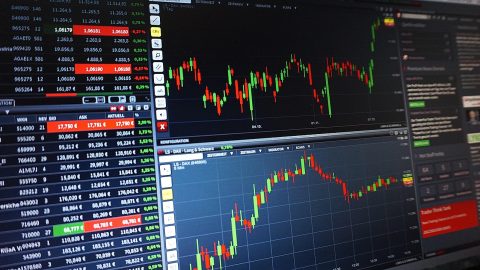
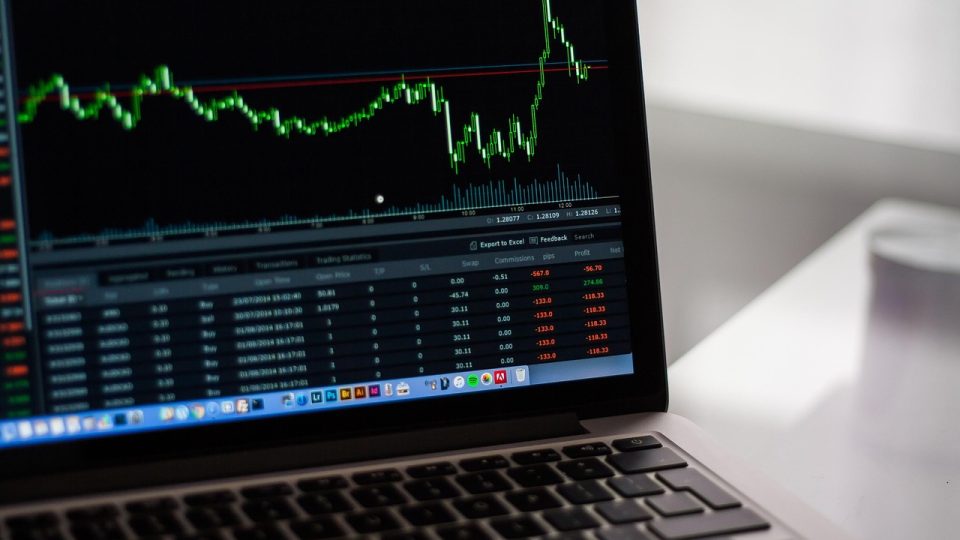
Let’s dive into how this all went down. Shares across the tech and AI sectors plummeted sharply following a series of Democratic wins in election campaigns that were heavily run on the platform of slowing down artificial intelligence. The tech-heavy Nasdaq composite index closed down by more than 5.5%, shedding an estimated $2.5 trillion in market value according to Dow Jones data. Other key US stock indexes also suffered massive losses, marking some of their worst days since 2025. This intense sell-off did not happen in a vacuum, either; it came right on top of broader, existing worries about whether the astronomical amounts of money being pumped into artificial intelligence will actually ever pay off for investors.
The panic was not restricted to Wall Street, either. Over in Asia, tech-heavy markets took a brutal hit on Friday morning as firms responsible for manufacturing the computer chips and essential equipment that power AI saw their shares slide into the red. Japan’s Nikkei 225 was down by 6% in early trading, while major memory chip maker Kioxia saw its shares lose over 12.6%. Its rival, Tokyo Electron, slipped by 9.5%. Meanwhile, South Korean chipmaker SK Hynix fell by more than 11.5%, and Samsung experienced a drop of nearly 10%.
In fact, the heavy selling in Seoul sent the Kospi index plunging by more than 8.5%. This drop was so severe that it triggered a circuit breaker, which is a temporary mechanism designed to halt trading and curb panic selling. Taiwan’s Taiex dropped by more than 8.3%, with chipmaking giant TSMC falling by nearly 8.5%. MarketWatch chips analyst Britney Nguyen pointed out that this drop marks a continuation of worries regarding the sheer level of spending on artificial intelligence infrastructure.
So, why exactly did the midterms play such a huge role in this? During the campaigns, Democrats across the United States ran heavily on slowing the rapid growth of data centres and artificial intelligence. There were dozens of measures placed on ballots around the country specifically aimed at restricting the development of these hubs, which are absolutely crucial for powering the new technology. When the results came in, Democrats won both the US Senate and the House of Representatives in the midterm elections, taking control of Congress for the remainder of President Donald Trump’s presidency.
For example, Texas’ Democratic governor-elect Gina Hinojosa campaigned very heavily against data centres, pledging a moratorium on new construction within the sector. Naturally, political figures had plenty to say about the market slide. In a social media post, President Trump squarely blamed the downturn on his political opponents. He stated that the stock market suffered one of the worst days in history based on the election results, emphasizing that it was the work of Democrats, though he reassured the public that they would soon be bigger and stronger than ever before.
On the other side of the political aisle, some Democrats have argued that artificial intelligence has simply grown far too big without any proper safeguards or government oversight, promising that their newly acquired power in Congress will change that trajectory. Democratic Senator Bernie Sanders took to social media to express that Americans do not want big tech oligarchs wrecking the environment, cutting jobs, and threatening the future of humanity, while calling for an immediate national data centre moratorium.
Because of this changing political landscape, shares in companies heavily exposed to AI data centres—including crucial chipmakers and semiconductor manufacturers—dropped sharply, highlighting investor anxieties that had already been building up. During European trading, shares in chipmaker Infineon fell by more than 8.5%, while tech equipment manufacturer ASML dropped by 6.5%. Over in New York, Nvidia shares slid by more than 9%, knocking over $400 billion off the firm’s overall market value.
Other major chipmakers felt the pain, too. Advanced Micro Devices and Micron both dropped by more than 17%, Intel shares slid by 10.3%, and memory card maker SanDisk plunged by more than 22%. The Philadelphia Semiconductor Index, which tracks the performance of 30 of the largest companies involved in semiconductor production, fell by over 12%. Even Elon Musk’s companies were not spared from the wreckage; SpaceX and Tesla plunged by 8% and nearly 11% respectively, shaving more than $300 billion off their combined market value in a single day. Musk had previously spent nearly $450 million backing Republican campaigns, but Texas ultimately turned blue during the election night tsunami.
All in all, the group of major tech giants often referred to as the “magnificent seven”—which includes companies like Apple, Nvidia, and Tesla—managed to shed a staggering trillion dollars in value in just one single trading day. The broader stock market felt the shockwaves as well, with the S&P 500 index falling by 4.4% by the closing bell, while the Dow Jones Industrial Average erased all the gains it had made earlier in the week to close down by more than 3.4%. The Nasdaq Composite fall was so dramatic that it officially entered what market watchers refer to as correction territory, which happens when an index or company value falls at least 10% below its recent high.
Susannah Streeter, who is the chief investment strategist at Wealth Club, noted that the steep sell-off on the major indexes has been sending intense shockwaves into other markets. She explained that fresh panic over the AI trade has hit Wall Street hard because fears that the massive sums poured into AI infrastructure might not deliver the returns that investors were hoping for are now colliding with the very real prospect of a sharp slowdown in data centre construction.
Adding to that perspective, Charu Chanana, chief investment strategist at Saxo, mentioned that greater scrutiny over data centre approvals, along with concerns regarding their environmental impact and rising electricity bills, could easily delay projects and raise costs across the entire industry. While both political parties are fundamentally keen to ensure that the United States maintains its global dominance in technology, she noted that there is a distinct difference between supporting AI development and allowing infrastructure to expand at literally any cost or pace.
Interestingly, some top tech leaders admitted that they were actually caught completely off guard by the strength of the backlash against data centres during the midterms. OpenAI president and co-founder Greg Brockman noted that everyone had been surprised by the local community reactions to data centres, conceding that a lot more work needs to be done to ensure local communities are genuinely on board. Speaking at a tech conference in Napa, California, he explained that tech companies can no longer just try to build infrastructure in various states by tweeting that it will be good for everyone; they actually need to be present and engaged within those communities.
Meta’s president, Dina Powell McCormick, echoed a similar sentiment at the same conference, stating that the tech industry needs to put a lot more effort into explaining and selling artificial intelligence as a positive idea to the public. She emphasized that the sector needs to double and triple down on telling its story effectively. Alongside these immediate political and regulatory hurdles, some investors are increasingly concerned that AI shares might simply be trapped inside a massive financial bubble that is well overdue for a correction. Only time will tell how the tech world adapts to these new political realities, but one thing is certain: the conversation around AI development, infrastructure, and community impact is going to be front and centre for a long time to come.
source: feeds.bbci.co.uk (www.bbc.co.uk)