London Tube Drivers Announce Strike Dates Over Shift Changes
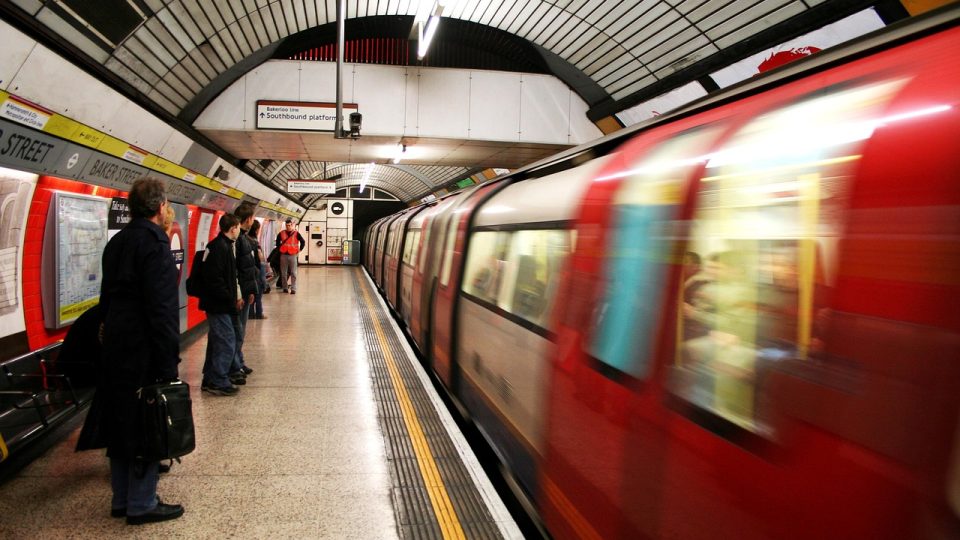
Hey there, travel planners and London commuters! If you rely on the London Underground to get around the city during the festive season and into the new year, you might want to brace yourselves. It looks like some major travel headaches are heading our way, because Tube drivers are gearing up for a fresh round of strikes.
If you’re wondering what this is all about, grab a cup of coffee and let’s break down why the Rail, Maritime and Transport (RMT) union is calling workers off the tracks. It is a continuation of a long-running back-and-forth between transport authorities and transit workers regarding shift patterns and working conditions.
What Is Actually Going On?
At the heart of this dispute is a plan from Transport for London (TfL) to introduce some updates to how drivers work, which notably includes the option of a four-day working week. Sounds pretty good on paper, right? Who wouldn’t want a shorter work week? Well, the situation is a bit more complicated than it sounds, and the two sides are seeing things very differently.
Back in the spring, similar walkouts over this exact same topic caused massive headaches across the entire network, leading to complete shutdowns on certain lines. Even though both sides have sat down for further talks since then, the RMT union clearly isn’t happy with the current proposals and has officially rejected them.
The Union’s Perspective: Why the RMT is Pushing Back
According to the RMT, the changes being pushed by TfL aren’t the friendly perk they might appear to be. The union’s general secretary, Eddie Dempsey, didn’t hold back, describing the plan as a disguised attack on the working conditions of train drivers.
The union argues that under these new arrangements:
- Drivers will be expected to spend more hours actually driving trains during their shifts.
- Workers will face longer and less predictable daily schedules.
- Hard-fought agreements that took years to negotiate and defend could be thrown out the window.
- Ultimately, the union fears these shifts will pave the way for hundreds of job losses down the road.
Basically, the RMT believes that cramming the working hours into fewer days means longer, more grueling shifts, rather than a genuine benefit for the workers.
TfL’s Take: Choice, Flexibility, and Fewer Total Hours
On the flip side, TfL maintains that the changes are totally voluntary and will actually benefit the workforce in the long run. Nick Dent, who serves as the director of customer operations for London Underground, explained that the goal is to give staff a meaningful choice regarding their working patterns without forcing anyone to relocate.
Under TfL’s proposal:
- Most drivers would see their standard working week drop from 36 hours down to 35 hours.
- Contractual hours would stay the same because the plan introduces paid meal breaks.
- Overall, drivers would end up working fewer hours each week and fewer days overall, even if individual daily shifts are a bit longer.
- For anyone who prefers to stick with the traditional five-day schedule, TfL has guaranteed they can remain at their current depot.
Transport experts note that this has turned into a stubborn, ongoing feud. While TfL views the adjustments as minor improvements and part of a solid deal, the RMT views it as a heavier workload, leaving both sides at a frustrating standstill.
A Rift Among the Unions
Adding another layer to this developing story is the fact that not all transit unions are on the same page. While about half of the network’s drivers belong to the RMT, many others are represented by the Aslef union.
Interestingly, Aslef has expressed surprise over the RMT’s decision to strike. Finn Brennan, a full-time organiser for Aslef on the London Underground, pointed out that the voluntary four-day option actually hands drivers an extra 35 days off every year. According to him, the rosters would be based on a 34-hour week in exchange for minor updates to working conditions and a shift to electronic booking systems instead of paper.
Brennan questioned the logic of striking to block a shorter working week and extra time off, noting that management has promised that anyone wanting to stick to five days can do so without any penalties.
When Will the Strikes Happen?
Mark your calendars and prepare your alternate travel routes, because the RMT has mapped out a series of 24-hour walkouts stretching across the winter months and into the new year.
The scheduled strike dates include:
- 26 November
- 17 December
- 19 December
- 4 January
- 6 January
- 17 February
- 23 February
- 25 February
With several dates falling right in the middle of December, local business groups are already sounding the alarm about the potential fallout.
Impact on the Festive Season
Naturally, transit disruptions are never convenient, but timing them right in the lead-up to Christmas is a major blow for local commerce. Business groups like BusinessLDN have pointed out that the hospitality sector is going to take a heavy hit.
Ed Richardson, the transport programme director for BusinessLDN, remarked that these planned walkouts certainly won’t bring any holiday cheer to local residents and visitors who depend on the Tube to navigate the capital during the busiest shopping and socializing season of the year. He issued a strong plea for both sides to get back to the negotiating table urgently to hash out an agreement and call off the strikes.
Historically, strikes of this nature take a serious toll on daily ridership. TfL data from past disruptions shows that Tube usage can drop significantly—sometimes by as much as 41%—on strike days as commuters scramble to find buses, cabs, or simply choose to work from home.
As the first strike date approaches on November 26, commuters and holiday shoppers will just have to keep an eye on the news and hope for a last-minute breakthrough between union leaders and transport officials. Until then, you might want to start brushing up on your bus routes or dusting off your bicycle!
source: feeds.bbci.co.uk (www.bbc.co.uk)