Why Experts Are Raising Alarms Over the U.S. Approach to Global Health
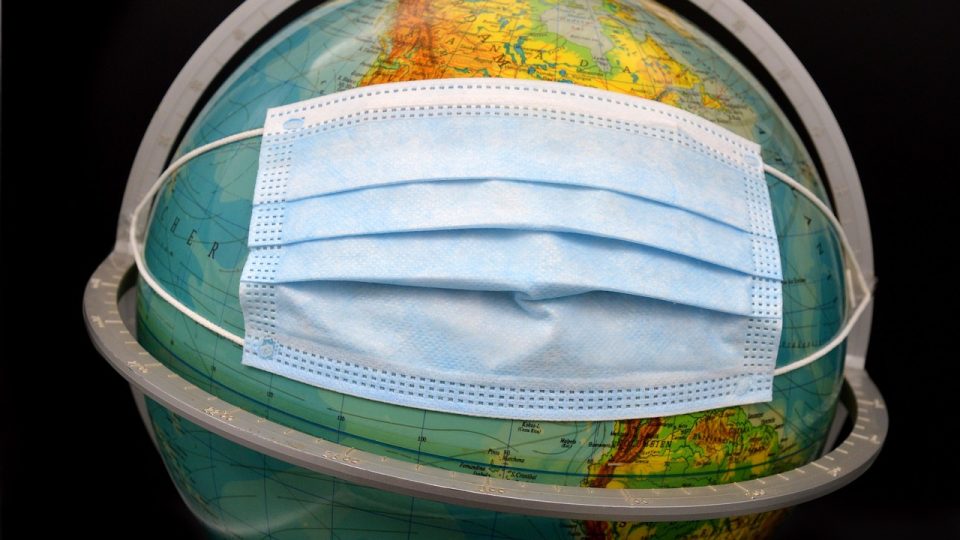
Hey everyone! Welcome back to the blog. Today, we need to talk about a pretty heavy topic that flies under the radar a lot, but honestly, it affects every single one of us. We are talking about global health, pandemic prevention, and some serious warnings coming straight from public health experts. If the last few years taught us anything, it’s that health crises do not care about borders. So, how the world chooses to team up—or not team up—to stop the next big outbreak is kind of a big deal.
Let’s dive right into what’s going on behind the scenes and why the experts are sweating.
The Battle of Approaches: Individual Deals vs. One Big Team Effort
When it comes to stopping a global health disaster before it even starts, strategy is everything. Right now, there is a major friction point regarding how the U.S. handles these international health partnerships. According to recent reports, the Trump administration has been busy cutting individual deals with dozens of different countries.
On paper, making agreements one-on-one might sound proactive. You negotiate terms, shake hands, and move on to the next nation, right? Well, public health professionals are looking at this strategy and shaking their heads. Their argument is pretty straightforward: viruses and bacteria don’t negotiate bilateral treaties, and they certainly don’t respect individual national boundaries.
Instead of a patchwork of separate agreements, these experts are heavily pushing for a unified, global approach. They argue that a single, overarching international agreement would be exponentially more effective at catching and stopping health threats before they spiral out of control.
Why Experts Say a Global Agreement Wins Every Time
You might be wondering, what makes a global agreement so much better than just making a bunch of separate deals? It really comes down to coordination and speed.
Imagine trying to put out a massive forest fire, but instead of a unified fire department with a shared communications system, you have individual homeowners negotiating with different water suppliers. It would be chaotic, slow, and completely inefficient. That is essentially what public health experts say happens when countries try to handle global health threats through scattered, individual pacts.
A comprehensive global strategy typically brings everyone to the same table. It ensures that:
- Information on emerging pathogens is shared instantly.
- Resources like medical supplies and funding are distributed where they are actually needed most.
- Protocols for containment are standardized so no country gets left behind.
- Trust and cooperation remain high even when geopolitical tensions flare up.
When nations try to go it alone or rely strictly on isolated bilateral deals, cracks inevitably form in the global defense system. And as we’ve sadly witnessed, it only takes one overlooked crack for a local outbreak to turn into a full-blown worldwide emergency.
What This Means for the Future
At the end of the day, the warning from public health experts is a reminder that preparation is everything. Negotiating separate agreements might feel like a win for specific diplomatic goals, but when it comes to keeping humanity safe from the next pandemic, fragmentation is dangerous.
Will policymakers listen to the experts and shift toward a more cohesive, global game plan? Only time will tell. But until then, it’s definitely something worth keeping an eye on.
What do you guys think? Do you believe individual country deals are enough, or do we desperately need a united global strategy to fight the next pandemic? Drop your thoughts in the comments below, and I’ll catch you in the next post. Stay safe and stay informed!
source: nytimes.com (www.nytimes.com)