Eurovision Heads to Bangkok in an Ambitious Asian Pop Adventure
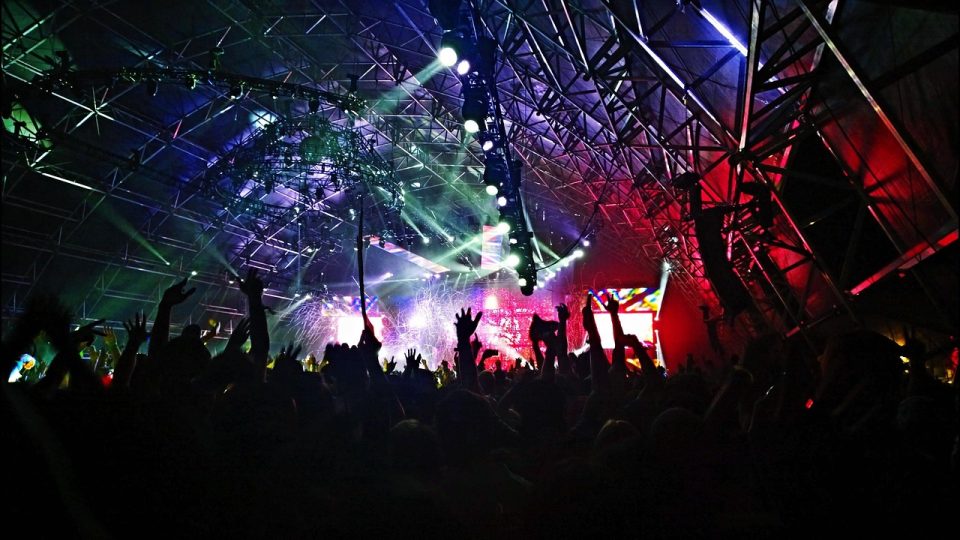
Hey there, music lovers! If you thought the glitz, glam, and over-the-top performances of the world’s most famous song competition were strictly reserved for Europe, think again. Get ready for a major pop culture splash because production crews are currently hard at work building a massive, dazzling stage right in the heart of Bangkok.
That is right—organizers are making a bold and extravagant attempt to transplant the beloved music contest to Asia. With just days to go before the grand final, the excitement is building up as everyone waits to see if this massive musical experiment will actually take off.
A New Chapter for a Global Phenomenon
Next weekend, the legendary singing competition is officially kicking off what organizers are calling “a new chapter in Asia.” A total of 11 contestants representing different parts of the region are gearing up to sing, dance, and pull out all the stops to secure those all-important votes.
Of course, launching a brand-new regional version of such an iconic institution is no small feat. Organizers are naturally hoping that this event will spark a massive wave of enthusiasm across the continent, creating a true craze among music fans. Believe it or not, several of the competing countries—including South Korea and the Philippines—already boast dedicated local fan clubs for the original European show, so there is definitely a solid foundation of enthusiastic supporters out there.
Still, breaking into a brand-new market takes time. Just a week before the big night, plenty of tickets were still up for grabs for the live concert experience at the One Bangkok Forum, which is conveniently located right near the city’s famous Lumphini Park.
To help spread the word, the official Instagram account for the main contest has been actively promoting its new Asian sister account to its massive following of 2.3 million people. So far, around 65,000 accounts have clicked that follow button. To add an extra touch of star power and musical flavor, Dara, who won Bulgaria’s contest in 2026, is even flying over to perform her catchy electro-dance earworm, “Bangaranga,” during the interval.
Can It Succeed Where Others Struggled?
Not everyone is completely convinced that the formula will easily translate to a different part of the map, though. Dean Vuletic, an academic and author who literally taught the world’s very first university course on the famous song contest, pointed out that this nascent show has an uphill battle ahead.
According to Vuletic, the incredible success of the original event is deeply tied to its historical roots. It first burst onto the scene back in the late 1950s right alongside the rapid rise of television, coinciding with a very specific era of postwar European integration. Because of that unique historical cocktail, he believes the competition is peculiarly European at its core and might struggle to find the exact same footing elsewhere.
He isn’t just guessing, either—we have seen a similar spin-off attempt in the past. The American version of the song contest, which launched in 2022, unfortunately pulled in pretty disappointing viewing figures while trying to compete against much more established TV mainstays like American Idol.
Even with his professional reservations, Vuletic couldn’t resist buying a ticket and traveling all the way to Thailand to witness the final show with his own eyes. As he put it, this is simply another fascinating chapter in the ongoing history of the brand that he just had to see.
A Geographical Puzzle
Interestingly, the organizers decided to skip the obvious “Asiavision” branding route. Instead, they opted to stick directly with the original name association, calling the spin-off the “Eurovision Song Contest Asia,” which has naturally caused a little bit of geographical confusion.
Then again, mixing up regions and borders is nothing new for an event with a 70-year history. The entire competition is actually run by the European Broadcasting Union. Despite having “European” right there in the title, the organization is not strictly location-specific, meaning broadcasters from outside the continent—like Israel and Australia—have been participating for years. In fact, next year’s main European show is even set to feature a Canadian act for the very first time.
When it comes to putting together this inaugural Asian lineup, time was of the essence, and not every corner of the vast continent managed to secure a spot. Major players like China and India are notably absent from the roster. Instead, the 11 announced performers hail from Bangladesh, Bhutan, Cambodia, Laos, Malaysia, Mongolia, Nepal, the Philippines, South Korea, Thailand, and Vietnam.
The host nation is putting its best foot forward with a powerhouse collaboration. Their entrant features a talented solo female artist and local T-Pop star, Mang, who is teaming up with Daou. If that name sounds familiar, it is because Daou shot to national fame after winning a survival-style Thai TV show and previously performing in a short-lived boyband called LAZ1.
Global Streaming and Voting Dynamics
If you aren’t lucky enough to be sitting in the concert hall in Bangkok, you don’t have to miss out on the fun. Anyone anywhere in the world can tune in to watch the live show on YouTube and even cast a vote. However, there is a catch: the voting setup is quite complex, meaning global viewers’ voices won’t completely override the national juries and local public votes happening within the participating countries.
Naturally, seasoned watchers of the franchise are already asking the big question: will local political dynamics end up influencing the final results? In the main European event, friendly neighbors often seem to engage in the classic tradition of bloc voting. With Thailand and Cambodia having been at war just last year, people are definitely watching to see if any regional tensions play out on the scoreboard when the tallies come in.
Meanwhile, the broader franchise continues to make headlines. The main competition pulls in more than 100 million viewers annually, though recent years have seen the event overshadowed by heavy controversies—including fierce debates and accusations over whether Israel should be excluded due to the war in Gaza. Critics have repeatedly pointed out that Israel’s continued participation sits awkwardly alongside the total ban placed on Russia following its full-scale invasion of Ukraine, a controversy that has already prompted several broadcasters to pull out of the event entirely.
As Bangkok prepares to open its doors and switch on the stage lights, all eyes will be on the venue to see if this bold Asian experiment can win over the crowds and carve out its own legendary place in pop culture history. Stay tuned to see how it all plays out!
source: theguardian.com (www.theguardian.com)