UK Prime Minister Andy Burnham Claims Brexit Brought More Losses Than Gains Ahead of Brussels EU Summit
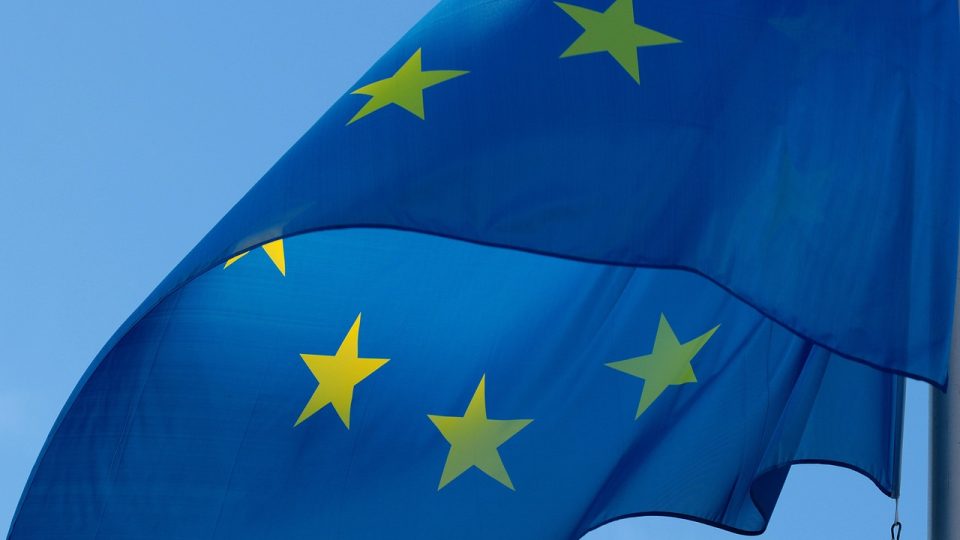
Hey there, fellow news junkies! Welcome back to the blog. Today, we are diving straight into some juicy political drama shaking things up across the pond. If you thought the whole Brexit saga was safely tucked away in history books, think again. It is back in the spotlight, and the political temperature in the UK is rising fast as a major summit with the European Union looms large.
Let’s break down what is happening, what is being said, and why everyone from government officials to opposition parties is buzzing about it.
Setting the Stage: The Big Speech Before Brussels
Picture the scene: a grand gathering at the Lord Mayor’s Banquet on a Monday night, usually a time for traditional speeches and polite applause. But Andy Burnham decided to toss the rulebook out the window. Ahead of a high-stakes UK-EU summit in Brussels later this week, the UK prime minister is gearing up to deliver some brutally honest home truths about how leaving the European Union has actually played out for the nation.
Word on the street is that Burnham isn’t pulling any punches. In fact, he is planning to compare the current Brexit arrangement to the classic fairy tale “The emperor’s new clothes.” Bold move, right? He is expected to tell the room full of dignitaries and guests that people simply aren’t willing to admit the glaringly obvious reality of the situation. From his perspective, the “needlessly hard Brexit” that was handed to the country has created frustrating barriers for businesses, and the grand promise of “taking back control” ultimately failed to deliver what was advertised.
So, what is the game plan? Burnham is heading into the Brussels summit with the goal of hammering out fresh agreements with the bloc. He is particularly focused on food, energy, and youth mobility. He genuinely believes a “win-win” scenario is completely achievable.
The Core Argument: It’s Not the Idea, It’s the Execution
Now, before anyone accuses Burnham of trying to secretly undo the entire 2016 referendum result, his narrative is a bit more nuanced than that. He wants to reset Britain’s relationship with the EU, but his primary argument isn’t necessarily that the act of leaving was entirely wrong from conception—rather, it is the messy, harsh way that it actually happened that messed things up.
During his address, he is expected to explain that the Brexit we ended up with simply hasn’t worked out. The ledger shows that the UK has lost considerably more than it has gained. To make sure any new deals pass the smell test with the British public, he has introduced what he calls the “Makerfield test.” Basically, any agreement has to provide real, tangible improvements to everyday people’s lives and bring the country closer to the kind of arrangement voters thought they were backing back in 2016.
At the same time, Burnham is walking a bit of a political tightrope. He is keen to reassure his critics by reaffirming his commitment to Labour’s 2024 general election manifesto promises. That means there will be no returning to the single market, no sliding back into the customs union, and absolutely no bringing back the freedom of movement.
Instead, he wants to frame this new push as a totally different vibe. No more burning bridges, no more playing adversarial politics. He wants to show that being constructive, positive, and cooperative is the best way to tackle shared challenges together.
What’s Actually on the Table in Brussels?
Talk is cheap, of course, but the government is backing up this new approach with actual text. Ahead of the upcoming meetings, the UK and the EU have already managed to agree on a draft deal aimed at lifting post-Brexit checks on food and agricultural exports. That is a massive hurdle if it gets fully signed off.
On top of that, similar draft texts covering emissions trading, as well as a youth travel and work scheme, have been floating around among EU member nations. Interestingly, reports indicate that under the food rules reset, the UK would still get a “voice” at the table, but crucially, it wouldn’t get a vote.
This comes on the heels of previous diplomatic work. Former Prime Minister Sir Keir Starmer managed to strike a deal back in May 2025 touching on fishing, trade, and other cooperative areas. Now, the current administration is looking to build on those foundations and push things even further.
Political Fallout: Everyone Has an Opinion
As you can probably imagine, whenever the B-word gets brought up in British politics, all hell breaks loose. The opposition and minor parties wasted zero time reacting to Burnham’s impending announcements and the ongoing EU reset.
Over on the Conservative side, Deputy Leader Alex Burghart didn’t hold back his frustration. He accused the government of trying to distract the public from internal domestic messes. According to Burghart, instead of dealing with skyrocketing welfare bills, fixing a lagging economy, and making sure defense is properly funded, the prime minister is just getting ready to hand more cash over to Brussels.
Meanwhile, the Liberal Democrats feel like the government is only dipping its toes in the water when it should be diving in headfirst. Earlier this month, they dismissed the draft food export deal as merely a “patch, not a fix.” In their eyes, the only real, permanent solution is for the UK to fully re-join the single market and re-establish a customs union with the EU.
On the other extreme, Reform UK is standing firm on the original premise of leaving. They argue that one of the absolute greatest benefits of Brexit is freeing the nation from having to follow what they call ridiculous EU rules. They warn that any form of regulatory alignment could deal a heavy blow to the country’s independent trade policy.
And let’s not forget the Green Party of England and Wales. They have also chimed in, urging the UK to jump back into the customs union. Zack Polanski, the leader of the Greens, has previously stated quite clearly that full membership in the European Union remains the single best option for the future of the UK.
Adding even more spice to the political mix, speculation has swirled about whether another referendum could eventually be on the cards, with some reports pointing to past manifesto discussions, keeping the eternal debate burning brightly.
Looking Ahead
So, where does this leave us? Burnham has previously ruled out making any massive, sweeping changes to the UK’s fundamental relationship with the EU before the next general election. Yet, by openly examining the pros and cons of various long-term options, he is clearly testing the waters and seeing how much friction his party and the public can handle.
As the Brussels summit approaches, all eyes will be on whether these draft agreements on food, energy, and youth mobility can actually cross the finish line. Will this new “win-win” strategy mark a genuine turning point in post-Brexit relations, or is it just setting off another round of endless political sparring?
We will definitely be keeping a close eye on how things unfold in Europe this week. What do you think about the government’s push for closer ties? Drop your thoughts in the comments below, and stay tuned for more updates right here on the blog. Catch you next time!
source: feeds.bbci.co.uk (www.bbc.co.uk)


