Are Glass Skyscrapers Becoming a Trap in a Warming World?
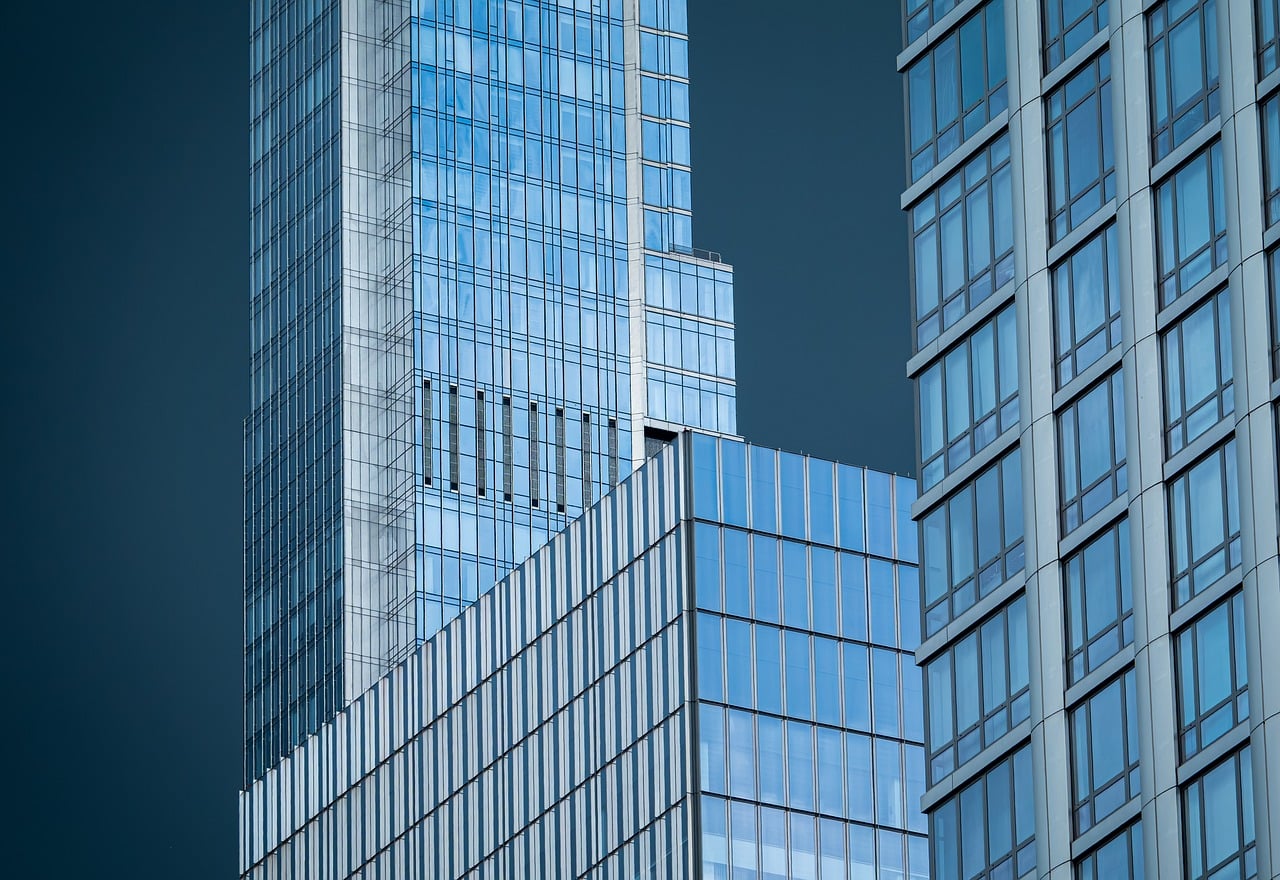
Hey there, fellow urban explorers and design fans! Have you ever stood in the middle of a bustling modern downtown, looked up, and felt completely dwarfed by those massive towers of gleaming glass? They definitely give off that futuristic, high-tech vibe. Cities love them because they look sleek, modern, and expensive. But lately, I’ve been asking myself—and honestly, wondering what you all think—do these glittering giants actually make any sense anymore? Especially now that our planet feels like it’s turning into a giant oven?
It is no secret that glass skyscrapers are completely reshaping our urban landscapes. Everywhere you look, another reflective monolith is punching through the clouds. But as climate change dials up the heat across the globe, architects, urban planners, and everyday city dwellers are starting to wonder if our obsession with all-glass architecture is coming back to bite us.
Let’s break down what’s really going on behind those shiny, beautiful windows.
The Rise of the Glass Tower Trend
For decades, putting up a building wrapped entirely in glass was the ultimate flex for corporate developers. These structures scream progress. They reflect the sky, they catch the sunlight, and from the outside, they look wonderfully weightless. Walk through almost any major financial district today, and you will see entire skylines dominated by these transparent giants.
City leaders often welcome them with open arms. They modernize the look of a downtown area and symbolize economic growth. But aesthetics are one thing, and the harsh reality of living and working inside them is another story entirely.
Think about how a greenhouse works. You trap sunlight inside a glass enclosure, and the heat builds up rapidly. Now, scale that up to a fifty-story building, and you start to see the fundamental design flaw. Glass lets the sun’s rays pour right in, creating massive heat loads that ordinary ventilation just cannot handle.
The Heat Is On: A Clash with Climate Change
We are living through a period of extreme climate shifts, with record-breaking temperatures hitting cities year after year. As the world outside gets hotter, keeping the inside of a glass skyscraper comfortable requires an incredible amount of energy.
Because these buildings trap heat so effectively, their air conditioning systems have to work overtime, churning away non-stop just to keep people from melting at their desks. It creates a vicious cycle:
- Glass walls let in intense solar heat.
- Indoor temperatures spike.
- AC units crank up to maximum power, consuming massive amounts of electricity.
- Higher electricity demand leads to more carbon emissions, which heats up the planet even more.
It feels a bit backward, doesn’t it? At a time when we are desperately trying to cut down on energy use and lower our carbon footprint, we are building structures that practically demand peak cooling power just to remain functional.
Form Versus Function in Modern Architecture
This whole situation brings up a classic design debate: form versus function. For a long time, the prevailing wisdom in commercial real estate was that buildings needed to look transparent and weightless to be considered successful modern architecture.
Traditional buildings—think of older structures with thick brick, stone walls, and smaller, well-placed windows—were naturally better insulated. They knew how to block out the blazing sun during summer and hold onto warmth during winter. They were built to respond to their local climate.
Glass skyscrapers, on the other hand, tend to look the same whether they are built in a rainy, temperate region or a scorching desert metropolis. They rely entirely on mechanical systems—HVAC units, artificial lighting, and heavy-duty cooling—to create a livable indoor environment, rather than working *with* the local climate.
When those mechanical systems struggle or fail during a major heatwave, working or living in a glass box can quickly turn into an uncomfortable, even hazardous, experience.
Where Do We Go From Here?
So, does this mean the end of the glass skyscraper? Probably not entirely. Developers still love them, and the real estate market is deeply tied to that specific modern aesthetic. But the conversation is definitely shifting.
Architects are being forced to rethink how these towers are made. We are starting to see more innovation in glass technology—like smart glass that tints automatically when the sun gets too intense, better reflective coatings, and integrated shading systems that block direct solar radiation before it hits the interior.
Some cities are even looking closely at energy efficiency standards, pushing developers to move away from fully glazed facades and toward designs that incorporate more solid, insulating materials.
At the end of the day, our skylines are going to have to adapt to a hotter future. The era of blindly throwing up giant glass boxes without thinking about the climate consequences might finally be coming to an end. After all, a building might look stunning from the street, but if it requires a small power plant just to keep it cool inside, is it really modern design, or is it just a glittering trap?
I would love to hear your thoughts on this. Do you love the look of glass towers, or do you find yourself wishing our cities looked a bit more grounded and climate-smart? Drop your thoughts in the comments below, and let’s chat about the future of our urban spaces!
source: nytimes.com (www.nytimes.com)