Navigating the Midterms: What America’s Votes Mean for the Global Stage
Hey everyone, welcome back to the blog! If you have been keeping an eye on the news lately, you probably already know that election season in the United States is always a massive deal. But let’s be honest for a second—with all the non-stop campaign ads, fiery debates, and endless polling data flying around, it is super easy to feel completely overwhelmed. You might be sitting there wondering how all of this political chaos actually impacts your day-to-day life, or even more importantly, why the rest of the world should care about what happens inside American voting booths.
Well, you are definitely not alone in asking these questions. Today, we are going to break down some of the most common questions people are asking about the midterm elections and take a closer look at what the results might actually mean for the global community. Grab a cup of coffee, get comfortable, and let’s dive right into it!
Why Do Midterm Elections Matter So Much?
First off, let’s clear up a quick baseline question: what even are the midterms? In the U.S., these elections happen right in the middle of a president’s four-year term. Voters head to the polls to decide control of Congress—meaning seats in both the House of Representatives and the Senate—along with a bunch of local and state offices like governors.
Even though people usually tune in the most during presidential election years, the midterms carry a massive punch. Why? Because the legislative branch holds the real power when it comes to passing laws, approving budgets, and keeping the executive branch in check. If a president’s party loses control of Congress during the midterms, their entire legislative agenda can literally grind to a sudden halt. It is basically a giant political report card on how the current administration is performing, and voters use their ballots to either reward the party in power or demand a serious course correction.
The Ripple Effect: What Does This Mean for the Rest of the World?
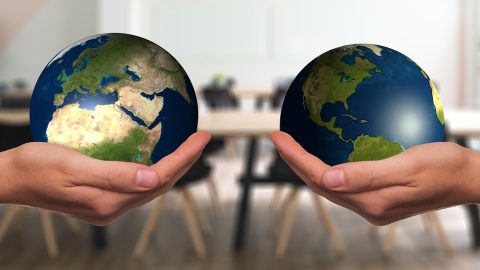
Now, this is where things get really interesting for those of us watching from outside the U.S., or for anyone who cares about international relations. America is a major player on the global stage, so whatever political shift happens domestically tends to send shockwaves across oceans and borders.
When the balance of power in Washington changes, it can completely alter U.S. foreign policy. For instance, think about things like international treaties, foreign aid packages, global trade agreements, and defense commitments. A new majority in Congress might want to push for a more isolationist approach, or they might double down on supporting international alliances. Global leaders spend weeks analyzing the outcome of these elections because a shift in American leadership can completely change the dynamic of global diplomacy.
If the party in control of Congress changes hands, you can almost guarantee that oversight committees will launch new investigations, trade policies will be fiercely debated, and funding for various international initiatives might get heavily scrutinized or even slashed. It creates a domino effect that international markets and foreign ministries simply cannot ignore.
Dealing with Election Fatigue
Let’s be real for a moment—following politics today is exhausting. Between social media feeds, cable news pundits screaming at each other, and endless notifications on our phones, it feels like we are constantly bombarded with bad news and high-stakes drama. It is completely normal to feel a bit burnt out by the whole process.
That is precisely why taking a step back to ask fundamental questions is so helpful. Instead of getting sucked into the daily outrage cycle, understanding the big picture helps us make sense of why these votes matter in the first place. Elections are ultimately about the direction of a country, and while the process can look messy and complicated, it remains a powerful mechanism for political change.
Looking Ahead
At the end of the day, the midterm elections are a reminder that political power is never permanent. Governments change, policies evolve, and voters always get the final say on the direction they want their society to take. Whether the results lead to a divided government that has to compromise or a sweeping change in legislative priorities, the impact will be felt far beyond the borders of the United States.
What are your thoughts on how global politics are influenced by domestic elections? Do you find yourself following American politics closely, or do you prefer to tune it out? Drop a comment below and let’s chat about it. As always, thanks for reading, and I’ll catch you in the next post!
source: nytimes.com (www.nytimes.com)
Photo by blickpixel on Pixabay