Remembering the Victims of the Tragic Spain Train Crash
Hey everyone, welcome back to the blog. Today, we are talking about a truly heartbreaking story coming out of Spain. It is always tough to report on major accidents, especially when we start learning about the individuals whose lives were cut short. If you have been following the news, you probably already know about the devastating train crash that happened recently, and the personal stories of those we lost are now beginning to emerge.
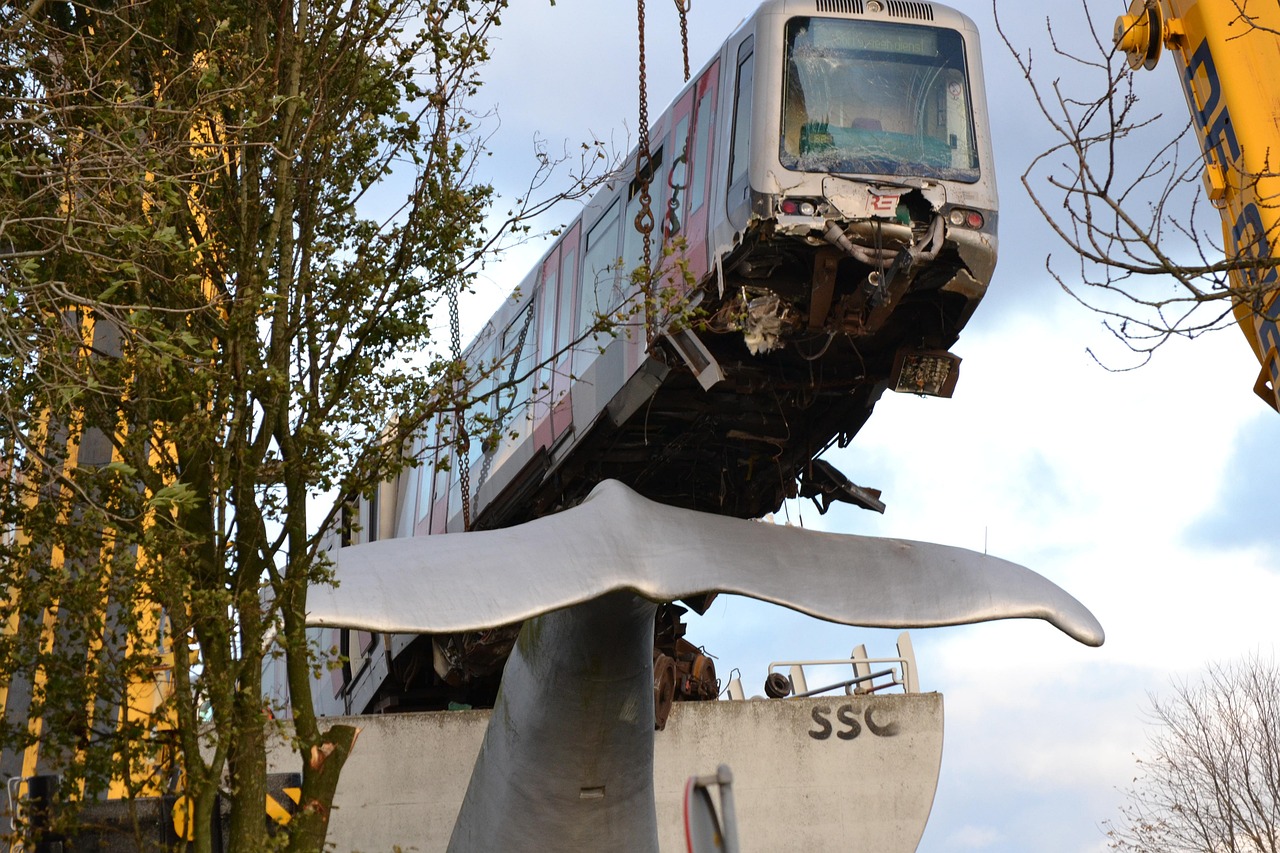
As you might have heard, a horrific railway accident took place on a Wednesday morning near Urda in central Spain. It was a terrifying collision between a high-speed Renfe train and a stationary Iryo train that happened to be sitting on the exact same track. The sheer force of the impact caused several carriages to jump the tracks and derail entirely. When the dust settled, the numbers were grim: at least 69 people lost their lives, and well over 100 others sustained injuries, many of them quite serious.
Emergency crews and local authorities have been working around the clock, but there is still a heavy atmosphere of fear that the final death toll might climb even higher. Right now, heartbreaking scenes are playing out across the region as desperate family members run from hospital to hospital, searching for missing loved ones. Meanwhile, the tragic task of identifying the victims has begun, with families arriving at the main forensics institute in Toledo to provide DNA samples.
This disaster marks the second major rail tragedy to hit Spain this year alone, and historically, it stands as the worst railway accident the country has seen since 2013. As the investigation continues and the nation tries to process the shock, the media and officials have started putting names and faces to the victims, reminding everyone of the vibrant lives abruptly taken away in the wreckage.
A Young Athletic Star Gone Too Soon
Among the many lives lost in the crash was 24-year-old Julieta Gallego. She was a well-known figure on the Spanish athletics circuit as a dedicated long-jump athlete who regularly competed for the Madrid athletics club, AD Sprint. Her sudden passing has sent shockwaves through the local sports community.
Her club took to social media to share their grief, posting on Instagram that their “entire club is heartbroken.” The Royal Spanish Athletics Federation (RFEF) also stepped forward to officially announce her passing and offer their deepest condolences to her family, friends, and teammates who are struggling to come to terms with the news.
According to local media reports, Gallego was a familiar face in Spanish club championships, boasting an impressive personal best jump of 5.9 meters, which translates to about 19 feet and 3 inches. Raúl Chapado, the president of the RFEF, spoke to the press about the devastating loss, calling it a “blow that strikes at the very heart of the athletics family.” He added a poignant thought that resonates with many right now: “Today, the sport mourns the passing of Julieta, a life ahead of her that has been unjustly extinguished.”
Remembering Former Minister Fátima Báñez
The tragedy also claimed the life of 59-year-old Fátima Báñez, a prominent former government minister. Her death was officially confirmed by the Spanish Confederation of Business Organizations (CEOE), an organization where she served as chair.
In a formal statement released after the confirmation, the CEOE praised her character, noting that “her warmth, generosity, and commitment leave an indelible mark on businesses and the entire CEOE team.” Báñez was a significant figure in Spanish politics, having served in the government under former Prime Minister Mariano Rajoy from 2011 all the way through 2018. Notably, she made history as the first woman to hold the role of employment minister. During her tenure in 2012, she introduced labor reforms that were quite controversial at the time—reforming policies to make it easier for companies to lay off workers, a move that famously sparked mass protests across various parts of the country.
Following the news of her tragic death, tributes began pouring in from political figures. Madrid regional president Isabel Díaz Ayuso paid her respects publicly, stating that Báñez would be “deeply missed” and emphasizing that “Spain loses a great political figure.”
Other Lives Claimed in the Wreckage
As details continue to trickle in from officials and news outlets, it is clear that the crash impacted people from all walks of life. The Civil Guard released a formal statement confirming the death of one of their own officers, 31-year-old José Manuel Chacón. In their message, they expressed their “deepest condolences” to his grieving family, friends, and colleagues who are mourning the loss of a young officer.
Another victim identified in the aftermath is Antonio Montero Domínguez, a finance and tax lawyer. Legal news websites remembered him as a “meticulous professional” and a “tireless worker.” His passing was also confirmed by Spain’s tax authority, where he had previously worked as an inspector between the years 2012 and 2016.
The tragedy has left the country grappling with a mix of intense sorrow and growing outrage. Passengers who survived have spoken to reporters, describing the horrifying moment their routine rail journey turned into a disaster—leaving them bloodied, dazed, and angry. In a politically divided Spain, the shock of this rail tragedy has quickly given way to difficult questions about safety, infrastructure, and accountability.
As families mourn and the country searches for answers, we will keep you updated if any further verified information becomes available. Our thoughts go out to everyone affected by this terrible event. Thanks for reading, and stay safe out there.
source: feeds.bbci.co.uk (www.bbc.co.uk)