Spain’s Prime Minister Faces Tough Political Test After Second Major Train Crash
Hey everyone, welcome back to the blog! Today, we are diving into a really heavy and complex political situation coming out of Spain. If you follow international news or European politics, you probably already know that leaders live and die by how they handle crises. Right now, Spanish Prime Minister Pedro Sánchez is facing one of the toughest tests of his political career.
Let’s paint the picture. Before everything went sideways, Sánchez had a pretty clear game plan for how he wanted to campaign. He was hoping to focus heavily on social issues—specifically things like economic inequality and housing. In modern politics, talking about the cost of living, affordable housing, and the gap between the rich and the poor is usually a solid strategy to rally the base and win over undecided voters. Voters love hearing about practical solutions to everyday struggles, so leaning into those topics made a lot of sense for him.
However, politics rarely goes according to script. Life has a funny way of throwing massive curveballs at leaders right when they are trying to steer the conversation elsewhere. And boy, did Sánchez get hit with a massive curveball.
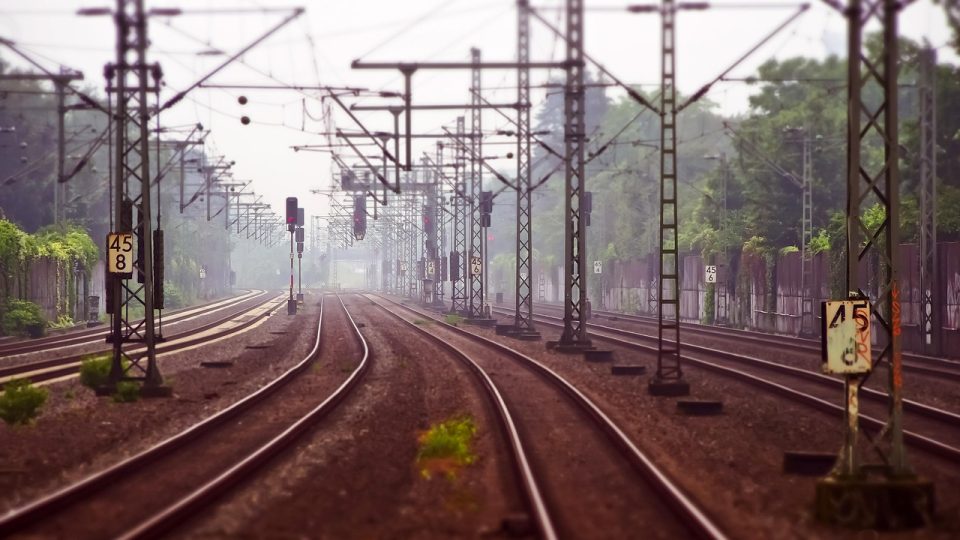
A major rail accident has just occurred. To make matters even worse for the Prime Minister and his administration, this isn’t even an isolated incident—it is actually the second major train accident to happen this year. When infrastructure fails on this kind of scale, not just once, but twice in a relatively short window of time, people start asking very tough questions.
Suddenly, the campaign narrative has completely shifted. Instead of talking about housing markets and wealth gaps, the entire political conversation in the country has zoomed in on one burning question: Is the government actually competent enough to keep people safe?
When public safety systems fail, voters tend to view it as a direct reflection of government management. Infrastructure, transport networks, and public utilities are all under the direct purview of the state. So, when trains crash repeatedly, the public doesn’t just blame bad luck; they look straight at the administration in power and question their oversight, their spending priorities, and their overall ability to manage critical services.
What makes this situation even more challenging for Sánchez is his current standing in the political landscape. Going into these events, he was already positioned as an election underdog. Being behind in the polls is never an easy place to be, but trying to claw your way back while simultaneously defending your government’s basic competence is an uphill battle of epic proportions.
In politics, momentum is everything. When you are the underdog, you need things to go right so you can shift the momentum in your favor. You need to dictate the terms of the debate. But when a disaster strikes—especially one that calls the baseline competence of your administration into question—you immediately get forced onto the defensive. Every single public appearance, interview, and press conference becomes an exercise in damage control rather than an opportunity to pitch your vision for the future.
It creates a brutal cycle for any leader. If you talk too much about the accident, you are constantly reminding the public of a failure on your watch. But if you try to pivot back to your original campaign themes like housing and inequality, you risk looking out of touch, cold, or insensitive to a tragedy that has deeply rattled the nation.
As outsiders watching this unfold, it really highlights how fragile political strategies can be. You can spend months—or even years—crafting the perfect policy platform, testing out slogans, and organizing your campaign around issues you know you are strong on. But in an instant, an unexpected crisis can completely rewrite the rules of the game.
How Sánchez handles the fallout from this second rail disaster could very well define the rest of his political journey. Will his administration be able to provide transparent answers, hold the right people accountable, and reassure a nervous public? Or will the weight of these infrastructure failures drag his political future down for good?
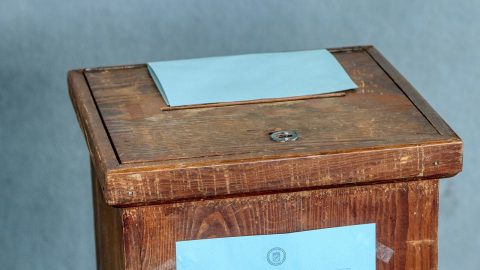
Only time will tell how the voters will react when they finally head to the ballot box. But one thing is for certain: the campaign script has been thrown out the window, and we are in for a very intense political showdown in Spain.
What do you guys think about how leaders handle unexpected crises? Let me know your thoughts in the comments below, and as always, stay tuned for more updates. Catch you in the next post!
source: nytimes.com (www.nytimes.com)