Why Halloween Down Under Is Stirring Up Sunshine, Spookiness, and Serious Debate
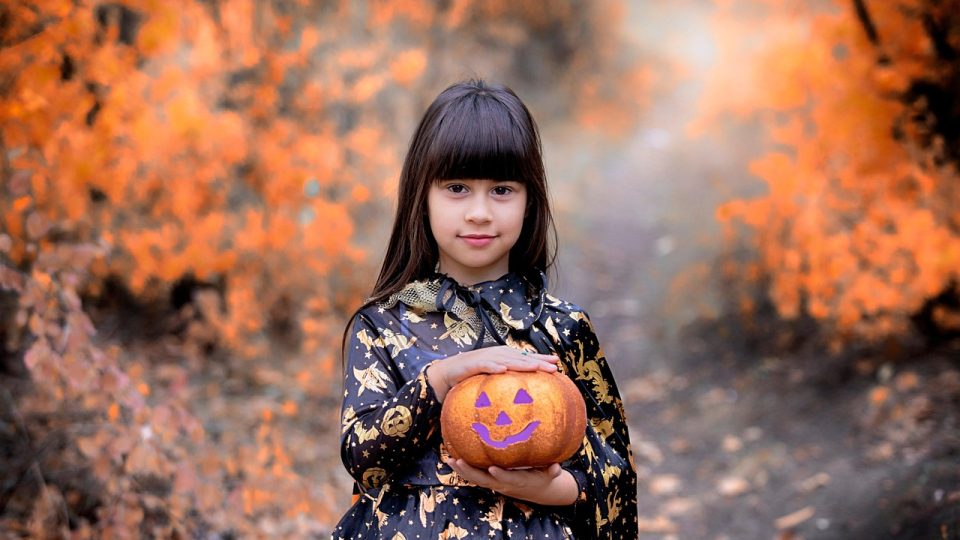
Hey there, blog fam! Grab your favorite brew, get comfy, and let’s talk about a spooky topic that has been making the rounds lately. We all know and love the classic image of Halloween: crisp autumn air, crunchy orange leaves, heavy winter coats layered over costumes, and carved pumpkins glowing softly on dark October porches. It’s a whole aesthetic, right? But what happens when you flip the script and drop that exact same holiday into a completely different season?
Picture this: instead of shivering in the dark while hunting for candy, you are sweating a little bit under the afternoon sun, slapping away a rogue mosquito, and watching the kids run around in superhero capes while the sun is still high in the sky. Welcome to Halloween in Australia!
Yep, you read that right. While the Northern Hemisphere is busy wrapping up in scarves and welcoming the cozy chill of fall, the Land Down Under is right in the middle of spring. Flowers are blooming, days are getting longer and sunnier, and the entire vibe of the holiday is just totally upside down compared to what we usually see in American movies and pop culture. It is honestly fascinating to think about how environment and geography can completely change the flavor of a tradition.
Now, over the past few years, this spooky celebration has been creeping its way into the hearts—and neighborhoods—of more and more Australians. You’ll see festive decorations popping up on suburban lawns, stores stocking up on plastic skeletons and fake cobwebs, and little groups of kids eagerly preparing for a night of neighborhood wandering. It’s growing in popularity, and for a lot of families, it’s just a really fun excuse to hang out with the neighbors and let the kids gorge on chocolate.
However, as much as the kids love it, this imported tradition hasn’t arrived without a fair bit of side-eye and chatter. Whenever a holiday from one culture gets super popular in another, it tends to spark some interesting conversations. And that is exactly what’s happening in Australia right now.
Springtime Spooks and Sunny Streets
Let’s talk about the weather contrast for a second because it’s honestly one of the wildest parts of the whole thing. If you grew up watching American television, Halloween is inextricably linked to autumn. It’s practically a rule that you need a chilly evening to make wearing a heavy plastic mask or a faux-fur monster suit bearable.
In Australia, though? October means spring is in full swing. Sunshine, warmth, and blooming gardens are the real backdrop of the holiday. Trick-or-treating often kicks off while it’s still broad daylight out, simply because the sun sets much later in the evening during the Southern Hemisphere’s warmer months. Imagine walking up to a house for candy at 6:00 PM and the sky is still bright blue! It definitely takes away a bit of that classic, eerie haunted-house atmosphere.
Instead of spooky fog rolling down a dark suburban street, you might have the sounds of kookaburras in the trees and a warm breeze rustling through the eucalyptus leaves. It’s bright, it’s sunny, and it is vastly different from the traditional American counterpart that inspired it.
A Growing Trend That Divides the Room
Even with the strange seasonal mismatch, the holiday is definitely catching on. Walk down certain residential streets in October, and you will see enthusiastic locals going all out with their front yard displays. It’s become a big hit for younger generations and families who just want a fun community event to break up the school term.
But—and you knew there had to be a but—this surge in popularity has also kicked off a fair amount of skepticism and debate among locals. Because the holiday has such heavy roots in American media and consumer culture, a lot of people view its spread through a critical lens.
There are plenty of folks who look at the growing obsession with spooky costumes, plastic decorations, and door-to-door candy begging as a form of cultural encroachment. The worry is that imported traditions from the United States are slowly taking up too much space, potentially overshadowing local customs or just feeling a bit out of place in the Australian lifestyle. After all, why are we celebrating an ancient Celtic festival adapted through a heavily commercialized American lens when it has zero historical roots in the region?
On top of that, not everyone is a fan of the actual door-to-door aspect of trick-or-treating. In many traditional Australian neighborhoods, dropping unannounced on a neighbor’s porch to demand sweets isn’t a normal part of the social fabric. For some residents, having strangers—even cute kids in ghost costumes—knock on their door can feel a bit intrusive, leading to the creation of systems like putting out specific signs to let people know whether or not a house is participating.
Cultural Exchange or Corporate Import?
This brings us to a much bigger question that people love to argue about online and in community groups: where do we draw the line between fun global cultural exchange and plain old corporate globalization?
On one side of the coin, you have the argument that traditions evolve, travel, and cross borders all the time. People love to have fun, kids love dressing up, and communities love an excuse to host a block party. In a hyper-connected world where we consume media from all over the globe, it’s only natural that holidays like this spill over into new territories. To the people who enjoy it, it’s harmless fun—nothing more, nothing less.
On the other side, critics point out that the push behind these holidays usually comes down to retail giants wanting to sell more plastic junk, candy, and themed merchandise. They argue that importing an American autumn tradition into a sunny Australian spring feels a bit hollow and manufactured. It raises eyebrows about how easily local culture can be influenced by massive marketing machines overseas.
It’s a tug-of-war between harmless seasonal entertainment and a wider hesitation about the Americanization of local traditions.
Where Do We Go From Here?
At the end of the day, whether you view the whole phenomenon with wide-eyed excitement or a heavy dose of skepticism, it’s clear that the holiday has carved out a unique space for itself in Australia. It might look completely different from its Northern Hemisphere sibling—trading chill for sunshine, darkness for daylight, and deep-rooted history for modern novelty—but it’s sparking conversations everywhere.
So, what do you guys think? Is adopting traditions from other parts of the world a fun way to bring communities together, or should we protect local culture from outside commercial creep? Drop your thoughts in the comments below, and let’s chat about it. Until next time, stay curious and keep exploring the weird and wonderful ways our world works!
source: nytimes.com (www.nytimes.com)
Photo by dianacibotari1991 on Pixabay