What Israeli Election Results Reveal About the Electorate

Hey there, fellow news-watchers! Welcome back to the blog. Today, we are taking a little dive into some political shifts happening over in Israel. Elections always bring out a ton of drama, opinions, and number-crunching, and the latest results are no exception. If you have been trying to figure out what actually happened at the ballot box, let’s break down the big takeaways together in a way that actually makes sense.
When the dust settles after an election, everyone loves to look at the numbers to see who stood by who. In this particular race, the results showed a pretty fascinating mix of loyalty and defection among different groups of voters. It really goes to show that politics is rarely a monolith, and even the most established political figures have to deal with shifting tides.
Loyalty Meets Reality: How the Voters Lined Up
Let’s talk about Prime Minister Benjamin Netanyahu’s party for a second. Every political leader has their core base—the folks who will ride or die for them no matter what’s happening in the news. In this election, some groups definitely stuck to their guns and remained loyal to Netanyahu’s party. They showed up, cast their ballots, and kept the faith.
However, it wasn’t all smooth sailing across the board. While the core supporters held strong, support actually dipped significantly among other segments of the population. Politics is all about addition, but when you start seeing erosion in certain communities, it sends a loud and clear message to political strategists. These shifts are usually driven by a bunch of different factors—everything from day-to-day economic worries to broader debates about where the country is heading.
It’s kind of like watching a popular restaurant. The regulars keep coming back because they love their usual order, but a good chunk of casual diners decided to try somewhere else this time around. For a political party trying to maintain power or build a coalition, figuring out *why* those casual diners walked away is the million-dollar question.
The Turnout Factor: Who Actually Showed Up?
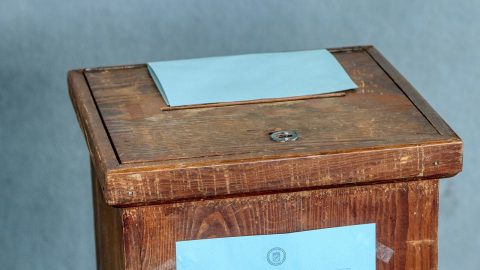
Beyond just looking at which party people voted for, there was another massive piece of the puzzle that caught everyone’s attention: voter turnout.
You can have the best campaign slogans in the world, but if your supporters decide to stay home and watch television instead of heading to the polling station, it doesn’t really matter. Turnout turned out to be a striking factor in how these election results ultimately shook out. In any democracy, the final outcome is heavily influenced by energy and momentum. When certain neighborhoods or demographic groups experience a surge in participation, it can completely flip expectations. Conversely, when enthusiasm drops, the ripple effects are felt immediately in the seat count.
This election proved once again that every single vote genuinely counts, simply because apathy or high energy can completely alter the political landscape overnight. It’s a classic reminder that democracy is a “use it or lose it” kind of deal.
What Does This Mean Moving Forward?
So, what can we really glean from all of this? Elections aren’t just about declaring a winner and a loser; they act like an X-ray of society. They show us where the fractures are, what people care about most right now, and how different communities are feeling about their leadership.
With some groups staying fiercely loyal while others pulled their support, and with voter turnout playing such a dramatic role in the final numbers, the political road ahead looks pretty complex. Leaders have to figure out how to bridge gaps, address the concerns of the people who walked away, and keep their base energized all at the same time.
As always, politics keeps us on our toes. Thanks for hanging out and breaking down these election trends with me today. Drop your thoughts in the comments below, and let’s keep the conversation going. Catch you in the next post!
source: nytimes.com (www.nytimes.com)