Why Mending and Patching Clothes Is the Coolest New Fashion Trend
Hey everyone! Welcome back to the blog. Today, we are diving into something super interesting happening in the fashion world right now. Have you ever looked at a favorite sweater with a tiny moth hole or a stubborn stain and thought, “Well, that’s going straight to the back of the closet”? Or maybe you’ve spotted a sweater at a thrift shop that you loved, only to put it back because it wasn’t quite perfect? Well, a lot of people are starting to look at wardrobe flaws in a totally different way.
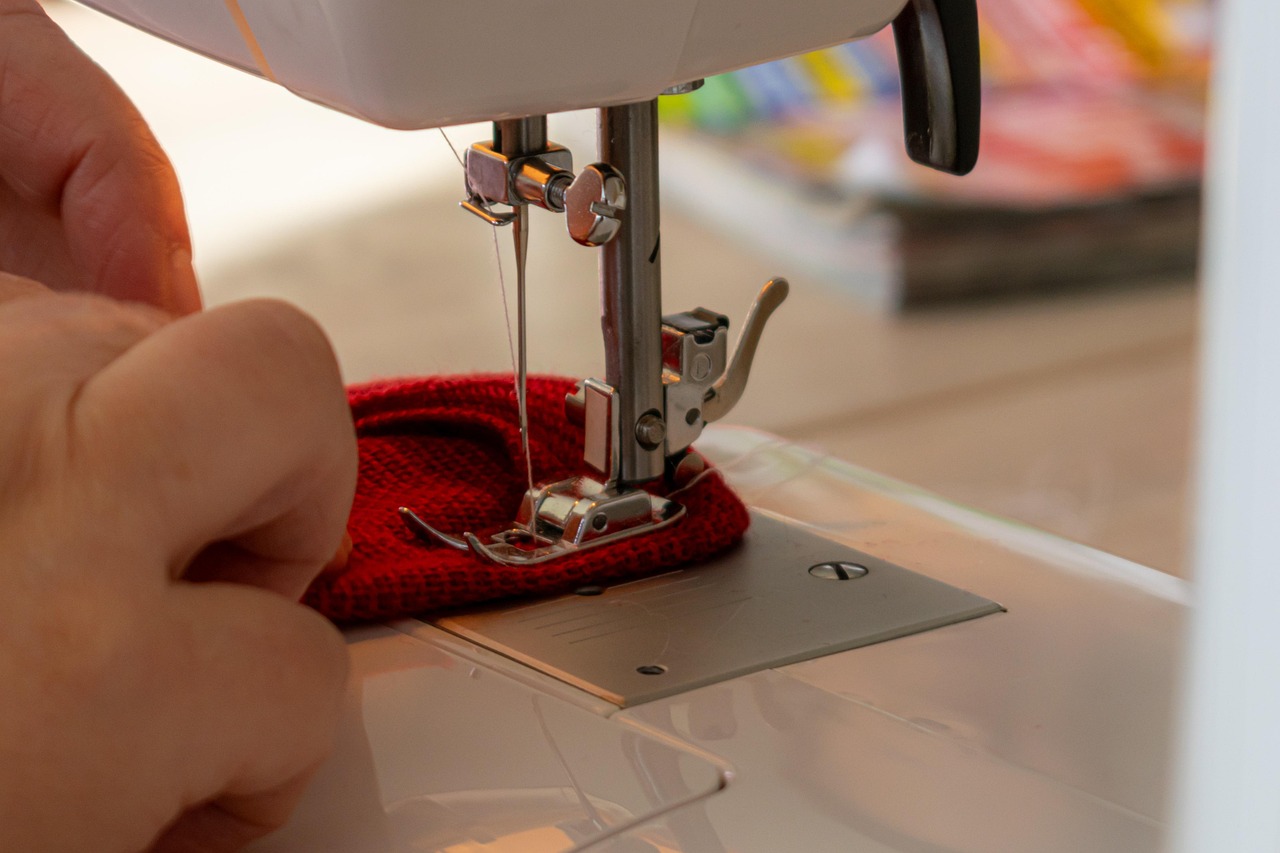
Instead of throwing away damaged garments or hiding their imperfections, fashion lovers are embracing a movement called “visible mending.” It is all about turning rips, tears, and stains into unique, eye-catching design features. Let’s take a closer look at why this trend is taking off from community workshops all the way to designer runways!
From Thrift Store Finds to Tiny Works of Art
Take Alice Brown, for instance. She is a 27-year-old forest ranger living in Lincolnshire, and she actually looks for second-hand items that have a few flaws. When she finds a jumper with a hole, she doesn’t see a ruined piece of clothing—she sees a fun project. Over the past year, she has carved out a very distinctive personal style by using needle-felting techniques to create adorable little animals and insects right over moth holes and stains. Her creative fixes have even built her a massive following online!
Alice points out that working around a flaw forces you to get creative with your placement. Since the natural spot for decorations is usually right in the front center, having a random hole under an arm or near a shoulder pushes you to think outside the box and come up with unusual, charming designs.
This creative approach is popping up everywhere. At a Saturday morning workshop in Brighton, an instructor named Jayne Eagle teaches students how to patch up tears so that fun shapes—like a little cat face—peek through the fabric. Instead of trying to find thread that matches the exact color of the garment, she encourages participants to use bold, contrasting colors and large white stitches. Her classes often draw inspiration from traditional Japanese repair methods known as Boro and Sashiko, using bright geometric patterns that practically shout, “Look at this cool fix!”
An Act of Rebellion Against Fast Fashion
For Jayne Eagle, fixing clothes openly isn’t just a fun craft; she views it as a true “act of rebellion” against the fast fashion industry. Back in the day, mending was mostly a practical chore done to save money and stretch a wardrobe as far as possible. But this modern wave of visible mending is all about making a proud style statement.
According to Jayne, the obsession with cheap, disposable fashion really took off back in the 1980s. That wave of overproduction slowly crushed the old traditions of taking care of and repairing our garments, and as a result, many people completely lost those basic skills. What we are seeing now feels like a major cultural pushback against the massive environmental footprint of the fashion world—things like pollution, high carbon emissions, heavy water usage, and questionable labor conditions.
One student in Jayne’s class, Nicola, recently used her newly learned stitching skills to cover up some annoying sunscreen marks on a T-shirt. She turned the spots into a deliberate feature, and now she loves how people stop focusing on the old stains and only see the cool decoration. Another student, Lisa, accidentally snipped her newly bought online jacket with scissors while opening the package. Instead of panicking, she patched it so intentionally that she actually loves pointing it out to people and showing off her work!
High Street Brands and Retailers Jump on Board
You might think that massive retail brands would hate a trend where people keep and fix their old clothes instead of buying new ones. Surprisingly, companies of all sizes are leaning right into the movement. Brands ranging from high-end labels like Ralph Lauren to ultra-fast-fashion giants like Shein are currently selling brand new clothes that come pre-stitched and pre-patched straight off the rack.
Other high street stores are taking a much more authentic route by offering actual in-house repair services and workshops. For example, Maria Ledous, the head of sustainability at Uniqlo, explains that they want to give shoppers practical ways to extend the lifespan of the clothes they already cherish. Uniqlo offers decorative mending using those traditional Sashiko techniques, fitting right in with the brand’s Japanese roots.
Even Primark, a retailer widely known for lower prices and fast-fashion cycles, has joined the movement. Vicki Swain, the brand’s longevity lead, points out that affordability and durability shouldn’t be treated as opposites. Meanwhile, outdoor clothing brand Finisterre notes that roughly a fifth of the repairs they do for customers are specifically designed to be eye-catching. At the artisan clothing store Toast, about a third of their customers choose the creative mending option.
Suzie de Rohan Willner, the chief executive of Toast, describes a bit of “magic” in letting customers bring in an older garment and choose what they want it to become next. Toast employs a dedicated team of in-house “repair artists” to handle these creative fixes. While their repair services are free, their pre-patched “renewed” items actually fetch higher prices than the original pieces to reflect their one-of-a-kind character.
Generation Z and the Debate Over Visible Fixes
Levi’s probably has the longest history of being customized and fixed up by its loyal fans, who have historically used everything from sparkly rhinestones to fringed cuffs on their denim. This year, the iconic brand is rolling out new workshop programs to help people learn the ropes. Their research shows that younger shoppers are eager to mend their clothes, but many simply don’t know how to start.
Interestingly, at a recent Levi’s launch event in London, the younger Gen Z participants had slightly different ideas about what kind of mending they actually wanted to learn. While creative and visible repairs are trending online, some younger participants expressed a bit of hesitation.
Take 16-year-old Bianca from East London, for example. She shares that in her neighborhood, walking around with holes in your clothes can sometimes lead to teasing, with people joking that you look poor. Another participant, a 19-year-old named Theo who sells clothes on the side at car boot sales, says he would much rather learn traditional, hidden repairs. He believes that making his items look as good as new would make his side hustle much more lucrative, noting that most people want to look “fresh” rather than appearing like they just stepped out of a dumpster.
Even so, Paul Dillinger, the head of global design innovation at Levi’s, remains convinced that more creative repairs will eventually win over younger generations as they build up their sewing skills. He believes that the obsession with looking “straight from the shop” is losing its cool factor. In his view, people are craving real human agency, and a mended garment tells a story—it isn’t just a random stain from lunch, but a physical reminder of a fantastic day out.
So, what do you think? Are you ready to dig out that old jacket with the torn pocket and try your hand at some creative stitching, or do you prefer keeping your wardrobe looking brand new? Let us know your thoughts in the comments below, and happy crafting!
source: feeds.bbci.co.uk (www.bbc.co.uk)