How Bedouin Women Sparked a Historic Election Turnout in Israel
Hey there, blog fam! If you have been keeping an eye on international headlines lately, you probably know that politics can sometimes feel like a massive headache. But every once in a while, a story comes along that reminds us how powerful grassroots action and everyday people can really be. Today, we are diving into a fascinating election story coming out of Israel, where a group of incredible women completely changed the game.
Picture this: you are sitting at home, volunteering to help victims of war, and you come back to find heavy machinery tearing down your son’s house. That is exactly what happened to Umm Khaled Fatoun last year in a Bedouin village called Azzarnug. Demolition crews, backed by police, flattened the home without even giving the family a chance to grab their furniture or solar panels. Ouch, right? But instead of just staying defeated, Fatoun decided to channel that heartbreak into something impactful when election day rolled around. Her main mission? To push back against the extremist national security minister who openly bragged about mass home demolitions targeting Arab communities.
Fatoun teamed up with a grassroots movement led by a lawyer named Hanan Alsanah, who founded a network called Alnashmiat. The goal was simple yet massive: educate Bedouin women about their political rights and show them that their voices mattered. Alsanah put it best when she pointed out that if only the men showed up to vote, the community was only using half of its power. And spoiler alert: their strategy worked like an absolute charm.
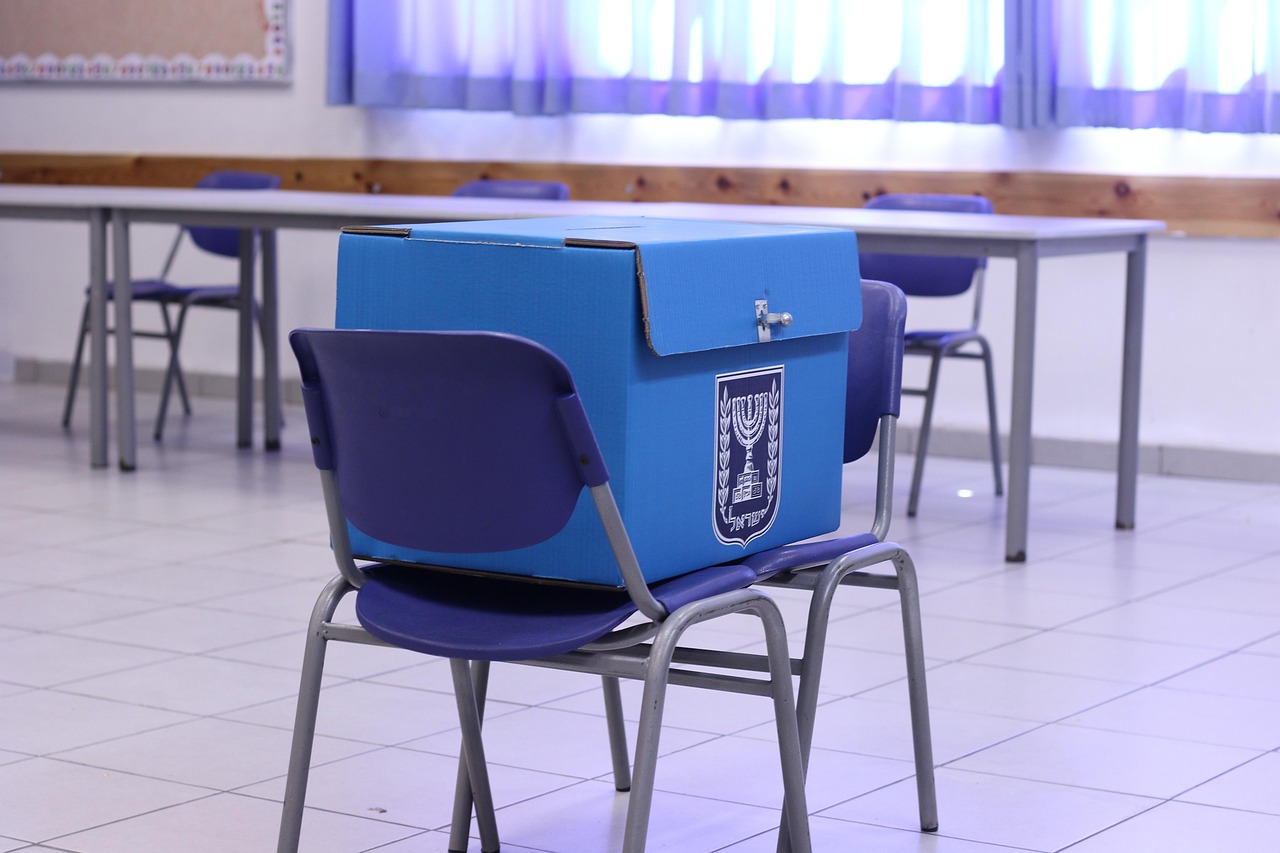
In the recent election, voting rates absolutely skyrocketed. In some southern Negev villages, the numbers tripled! Across the board, Bedouin communities saw a massive surge, with turnout numbers ranging from a minimum of 62% all the way up to over 93%. With around 180,000 eligible voters in the mix, this wave of ballots helped Palestinian-led parties secure a historic 19 seats in the Knesset. Even bigger? This surge played a critical role in stripping the prime minister and his allies of their governing majority.
Naturally, not everyone was thrilled about the shift. Critics and allies of the prime minister tried to downplay the achievement by tossing around accusations of fraud and claiming outside interference. But local organizers were quick to shut that narrative down. As one organizer, Amira Habdoubi, pointed out, people love to throw around words like corruption when marginalized communities finally get organized, but the real word is simply awareness. For folks who feel heavily policed and constantly overlooked, hitting the ballot box was essentially the ultimate form of peaceful protest.
Let’s talk context for a second. The Muslim Bedouin population is a marginalized minority inside Israel. Back in the day, they roamed freely across the Negev desert, but today, their villages occupy a tiny fraction of the land. Many of these villages are labeled as “unrecognized” by the state, meaning they get zero basic services like running water or electricity, and they constantly live under the shadow of home demolitions. On top of that, a huge chunk of the Negev is designated as military training zones.
The stakes were personal and terrifyingly high. Because these unrecognized villages lack proper infrastructure, the state doesn’t provide them with bomb shelters or warning sirens when rockets or missiles fly. During recent conflicts, attacks tragically hit these unprotected areas, causing devastating loss of life. Add in a sharp rise in organized crime that has gone largely unchecked, and people like Mayada Abu Khweida felt like nobody in power cared about their safety.
Overcoming these hurdles was no small feat. Organizers had to tackle major cultural and logistical obstacles. Because residents in unrecognized villages cannot vote in local municipal elections, a lot of women simply did not realize they had the legal right to vote in national elections. Plus, since there are no polling stations in these unrecognised villages, voters had to travel to nearby towns. People got creative, making the journey however they could—some even riding camels, horses, donkeys, or bikes for up to an hour each way!
Solidarity came from unexpected places, too. Jewish women stepped up to offer rides to Bedouin women, connecting individually since organizing formal transport volunteers had previously faced legal hurdles. Meanwhile, about 150 Jewish men stood as a protective presence at polling stations just to help keep the peace and de-escalate any potential right-wing provocations, making sure the local men wouldn’t be the ones facing off with agitators.
The journey wasn’t without intimidation tactics, either. Social media campaigns from the political right included photos of Bedouin women with their faces covered. Activists explained that many women covered their faces to protect themselves from being targeted or humiliated online by extremists, while others did it out of privacy within their own communities. But despite the hurdles, the determination was unstoppable.
Looking back at the previous election in 2022, voter turnout among women in these areas hovered around 20%. This time around, informal data points to a staggering 60% plus turnout among women in unrecognized villages. Alsanah and other community leaders believe this successful collaboration between Arab and Jewish citizens sets a powerful blueprint for the future. It’s a reminder that when people come together across communities to fight for their rights, they can completely reshape the political landscape. Pretty inspiring stuff to chew on!
source: theguardian.com (www.theguardian.com)
Photo by blickpixel on Pixabay