US Greenlights Huge 500 Patriot Missile Deal for Ukraine Backed by European Allies
Hey everyone, welcome back to the blog! We’ve got some major global news to dive into today regarding the ongoing conflict in Ukraine. If you’ve been keeping up with the headlines, you probably already know that air defense has been absolute top-of-mind for Kyiv as relentless aerial attacks continue to pound the region. Well, the United States has officially given the green light for a massive new military sale, but as usual with these massive defense deals, there is a pretty significant catch.
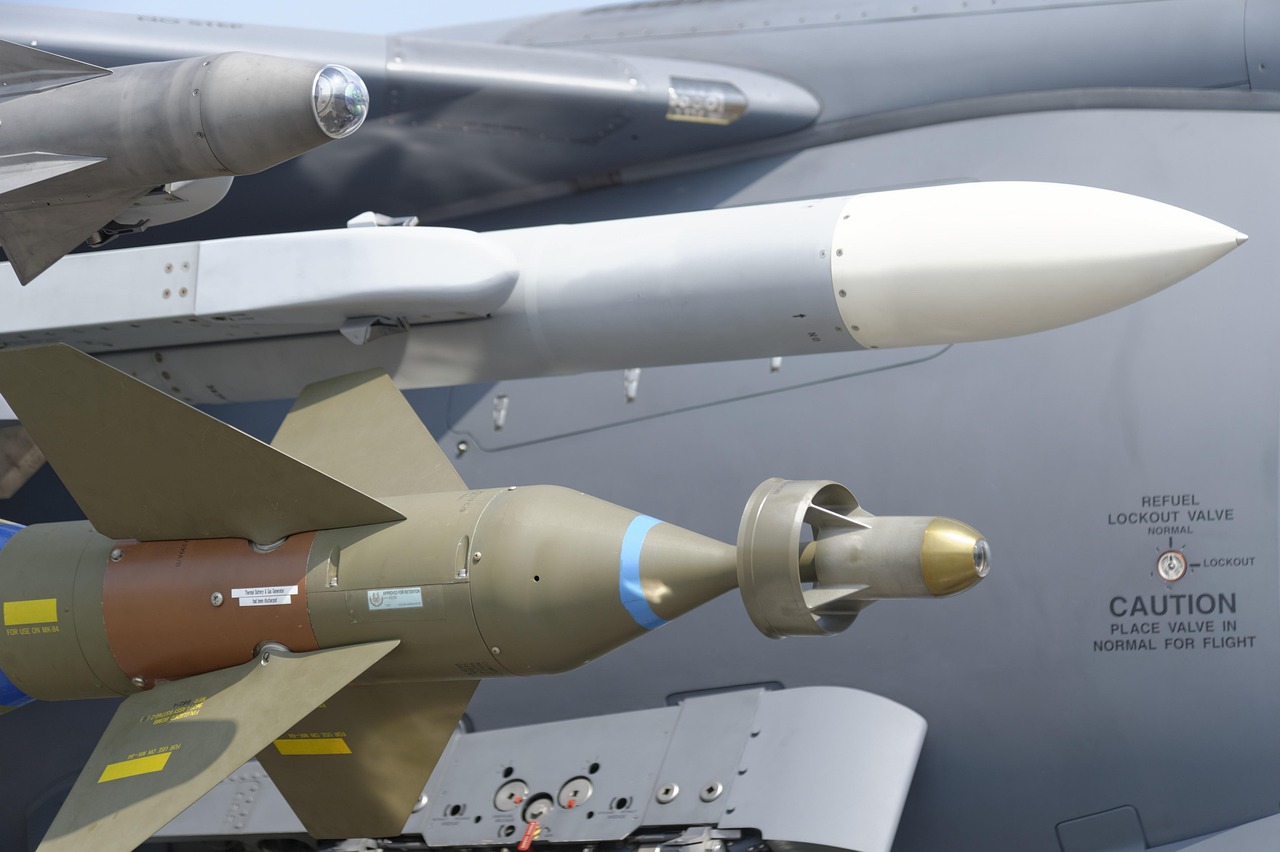
Let’s break down what just happened. The US State Department has officially approved a foreign military sale to provide Ukraine with a staggering 500 Patriot missiles. These are advanced PAC-3 interceptor missiles, and they are seriously high-tech hardware. They are pretty much the gold standard when it comes to defending against incoming threats like ballistic missiles. The entire package carries a hefty price tag of $2.1bn, which translates to roughly £1.6bn.
Now, you might be wondering who is footing the bill for this multi-billion dollar order. According to the official announcement, the purchase is being “funded entirely” by Kyiv’s international allies. Specifically, the funds are coming from donations provided by Canada, Germany, and Norway through a program known as JUMPSTART, alongside national funds and financing backed by the European Union’s Ukraine Support Loan. The State Department pointed out that the main contractor for the build will be the major American defense company Lockheed Martin, and emphasized that absolutely no direct US government funds are being utilized for this specific transaction.
From a diplomatic standpoint, Washington says the sale lines right up with American national security and foreign policy goals by bolstering the defense of a partner nation that acts as a pillar for European stability. But while the approval is definitely a huge win on paper, the reality on the ground in Ukraine is a bit more complicated—and a whole lot more urgent.
Even though the deal has finally cleared bureaucratic hurdles, Ukrainian President Volodymyr Zelenskyy has sounded a note of heavy caution. In fact, he warned publicly that it could take several years for these shipments to actually arrive and make their way to the battlefield. And that timeline is causing quite a bit of anxiety.
Zelenskyy has been pushing hard for the US to speed up the release and delivery of these specific systems, reminding everyone that Patriot batteries are pretty much the only truly effective weapon capable of bringing down Russia’s lethal ballistic missiles. Just a few days ago, Zelenskyy took to social media to officially welcome the news of the approved sale, but he made it very clear that his country doesn’t have years to wait—they desperately need these interceptors right now.
The urgency comes down to timing and seasonal threats. Ukraine has been sounding the alarm about dwindling missile supplies for weeks, noting that they had been waiting nearly a month just for the US to sign off on the critical restock. Meanwhile, Moscow has reportedly been stepping up its aerial campaigns, heavily targeting essential energy infrastructure as freezing weather approaches. Over just a two-week stretch, reports indicate there have been more than 30 separate Russian strikes aimed directly at critical parts of the Ukrainian power grid.
Compounding the problem is a global shortage of these specialized interceptor munitions. Because these systems are in such high demand globally—partly due to usage by the US in conflicts involving Iran—supply is stretched razor thin. To make matters worse, this order isn’t coming from existing stockpiles sitting in a warehouse somewhere; it’s an order for brand-new builds. Manufacturing Patriot missiles takes an immense amount of time, with the US Department of Defence noting that total production across the board sits at only about 600 missiles per year. Because of these long production cycles, a rapid delivery schedule just isn’t in the cards.
To throw even more diplomatic drama into the mix, all of this comes right on the heels of some tense political friction. Earlier this month, a sharp public row broke out between Zelenskyy and US President Donald Trump after the US decided to ease certain sanctions on Russia as part of an arrangement to secure Russian diesel. During that disagreement, Trump even suggested that it might be time for Ukraine to look for new leadership to help broker a peace deal to finally bring the war to an end. Tensions have cooled off somewhat since Zelenskyy sat down for talks with American envoys in Oslo, but the political tightrope remains very visible.
We’ve also seen friction on the international stage elsewhere this week. At a G20 foreign ministers’ gathering hosted in Atlanta by US Secretary of State Marco Rubio, European diplomats made their feelings about Moscow abundantly clear. In a silent protest against the presence of Russian Foreign Minister Sergei Lavrov, European diplomats flat-out refused to stand for the traditional official group photograph.
During that same summit, UK Foreign Secretary Ed Miliband didn’t mince words when addressing the Russian delegation directly. He called out Moscow straight to Lavrov’s face, declaring that everyone in the room knows who the aggressor is and accusing the Russian government of continuing to take the lives of innocent civilians in Ukraine.
So, where does this leave us? On one hand, securing a commitment for 500 advanced interceptors backed by European and Canadian funding is a massive long-term security commitment for Ukraine. On the other hand, with production lines moving slowly and winter weather bringing intensified infrastructure attacks, the immediate future looks incredibly tough for the country’s air defense forces.
What are your thoughts on this latest military aid package and the timeline for delivery? Let me know your thoughts in the comments below, and as always, stay tuned right here on the blog for more updates as this story continues to develop. Thanks for reading, and take care!
source: feeds.bbci.co.uk (www.bbc.co.uk)