Is El Salvador’s Leader About to Take on Haiti’s Gang Crisis?
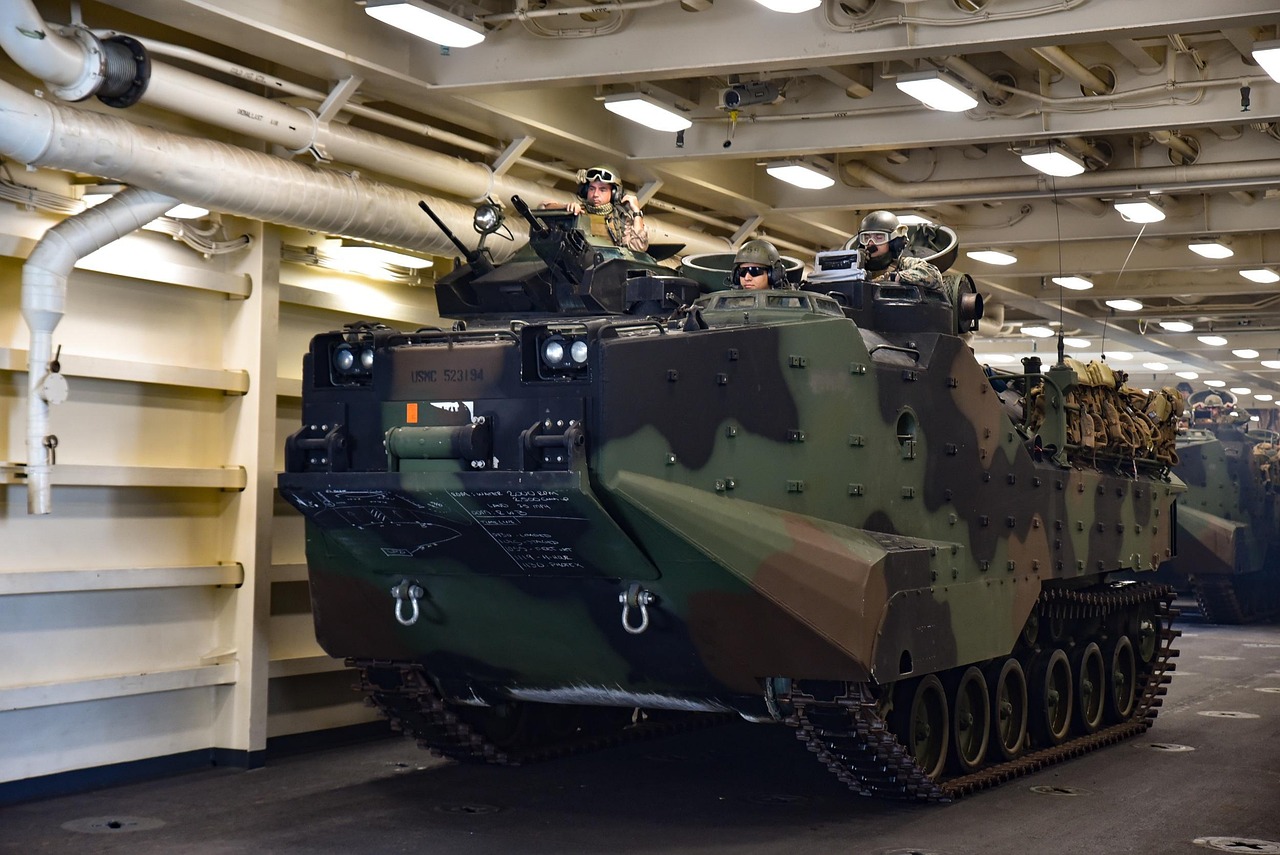
Hey there, tech and world news enthusiasts! Welcome back to the blog. Today, we are diving into a pretty wild international development that caught everyone off guard this week. If you have been keeping an eye on global headlines, you probably know that El Salvador’s government has been making massive waves lately with its aggressive domestic security strategies. Well, they just took things to a whole new level.
In a move that feels straight out of a geopolitical thriller, the Salvadoran administration officially sent a massive force of over 2,000 troops all the way over to Haiti. Yep, you read that right. It is a totally unprecedented deployment of military personnel onto foreign soil, and naturally, it has everyone asking the exact same question: What on earth is going on, and could this be the turning point for Haiti?
A Massive Military Move on Foreign Soil
Let’s break down what we actually know based on the latest reports. This week, the government of El Salvador didn’t just send a small advisory team or a handful of diplomats—they dispatched more than 2,000 troops directly to Haiti. For a country like El Salvador to deploy such a large contingent outside its own borders is a huge deal. It is an extraordinary military operation that signals a major shift in how regional security might be handled moving forward.
Haiti, as you likely know, has been facing an utterly devastating security and humanitarian crisis for a very long time. Gang violence has completely paralyzed parts of the nation, leaving local authorities struggling to maintain any semblance of order. The international community has been scratching its heads for years trying to figure out a viable solution to restore peace and stability to the Caribbean nation.
Enter El Salvador.
Why Everyone Is Watching Nayib Bukele’s Playbook
Even though the source text is short and sweet, the implications are massive. El Salvador’s current leadership has built a very distinct reputation for dealing with massive internal security threats—most notably, sweeping crackdowns on powerful criminal gangs at home. Those controversial yet undeniably heavy-handed tactics drastically transformed the safety landscape within El Salvador’s own borders, turning its leader into a polarizing figure who commands global attention.
Now, by sending thousands of troops to Haiti, it looks like that high-intensity security philosophy is crossing international waters. But deploying troops to a foreign country is a whole different beast compared to policing your own backyard. Haiti’s crisis is deeply complex, rooted in years of political instability, economic hardship, and heavily armed factions that have controlled entire neighborhoods.
Can a playbook that worked in Central America be successfully copy-pasted into the Caribbean? That is the million-dollar question that political analysts, human rights advocates, and everyday observers are frantically trying to answer right now.
What Happens Next?
As of right now, details are still emerging, and the global community is watching with bated breath. A military deployment of this scale is bound to stir up intense debate. On one hand, desperate times call for desperate measures, and the people of Haiti deserve safety, stability, and an end to the constant fear dictated by criminal networks. On the other hand, foreign military interventions in Haiti have a complicated history, to put it mildly, raising plenty of questions about sovereignty, long-term strategy, and human rights.
Will these troops manage to turn the tide against the gangs plaguing the nation? Or are we looking at a high-stakes gamble that could dramatically alter regional politics? Only time will tell.
What are your thoughts on this bold move? Do you think outside military intervention is the right way to handle Haiti’s deep-rooted crisis, or is this setting a risky precedent? Drop your thoughts in the comments below, and let’s have a civil chat about it. Make sure to stay tuned for more updates as this story continues to develop. Catch you in the next post!
source: nytimes.com (www.nytimes.com)
Photo by Military_Material on Pixabay