Cyber-Attack Shocks European Supermarkets, Leaving Mountains of Spoiled Food Behind
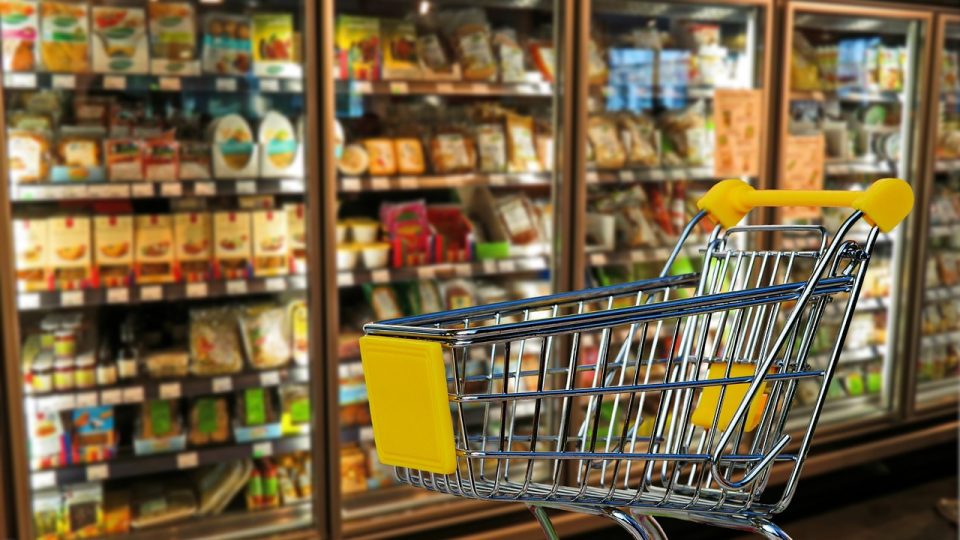
Hey everyone! Welcome back to the blog. Today, we are diving into a pretty wild and unfortunate story coming out of Europe that sounds straight out of a Hollywood hacker movie. Imagine walking into your local grocery store, only to find towering piles of melting ice cream, ruined frozen pizzas, and a whole lot of perfectly good food heading straight for the dumpster. Sounds like a nightmare, right? Well, that is precisely the reality for several supermarket locations across multiple European countries right now.
We all know that supply chains and grocery stores rely heavily on technology to keep things running smoothly. From automated checkouts to inventory tracking, computers do a lot of heavy lifting behind the scenes. But what happens when that tech becomes a weapon? A major cyber-attack recently targeted the refrigeration and freezer systems in dozens of supermarkets, and the aftermath is frankly heartbreaking—and extremely wasteful.
Let’s break down what actually went down and why everyone in the retail and tech world is currently on edge.
A Continental Headache: Which Countries Were Hit?
This wasn’t just a localized glitch affecting a single unlucky neighborhood store. We are talking about a coordinated digital strike that spanned across several European nations. According to the reports, stores in Sweden, Ireland, the Netherlands, Estonia, and Finland all experienced these troubling security breaches.
However, some regions caught the worst of the blow. Belgium and Luxembourg, in particular, suffered significant damage during the incident. Just to give you an idea of the scale, around 40 Delhaize supermarkets alone were directly impacted by the cyber-attack in Belgium.
When the refrigerators and freezers were successfully targeted, their temperature controls likely went haywire. Without the ability to keep perishables at the proper temperatures, store managers were left with very few options. Safety regulations mean you cannot mess around with food storage. Once the cold chain is broken for too long, that food has to go—hence the enormous, tragic piles of rubbish filling up store backlots.
A Closer Look at the Ground Zero Damage
To really understand the scale of this mess, it helps to look at a specific example. Reporters visited a Delhaize branch located in Hoeilaart, a quiet town sitting just outside of Brussels, the bustling capital of Belgium. What they found there was pretty staggering.
Picture a literal mountain of food waiting to be scrapped. Items like frozen pizzas, tubs of ice cream, and countless other refrigerated goods that were once ready to be sold to hungry families were rendered completely useless in a matter of hours. As one might expect, the financial hit is no joke either.
Just that single branch in Hoeilaart estimated that the cost of the damage would run to more than €100,000, which translates to roughly £83,500. Multiply that kind of loss across dozens of supermarkets in multiple countries, and you are looking at a massive financial headache for these retail companies, not to mention the monumental waste of resources.
Why Targeting Freezers is a Big Deal
You might be wondering: why target freezers of all things? In the grand scheme of cybercrime, we usually hear about ransomware locking up corporate databases, stealing customer credit card info, or disrupting banking systems. Going after physical infrastructure—like the cooling units of a grocery store—highlights a terrifying evolution in how malicious attacks can impact the physical world.
Supermarkets are the backbone of our daily communities. They keep us fed, support local farmers, and employ thousands of people. When bad actors manage to compromise the basic infrastructure of these stores, it disrupts the entire ecosystem. It forces us to realize just how fragile our modern conveniences really are. One minute you are planning your Friday night movie snacks with some store-bought ice cream, and the next minute that same ice cream is melting into a puddle because a server got hacked miles away.
The phrase “All this food is now useless” pretty much sums up the frustration of the store owners and workers who watched months of inventory—and a whole lot of money—go straight down the drain. It is a tough pill to swallow, especially at a time when food security and sustainability are such massive topics of conversation globally.
What Happens Next?
As of right now, the investigation into who is behind this cyber-attack is ongoing, and grocery chains are scrambling to secure their digital defenses. Ensuring that backend temperature controls and IoT (Internet of Things) devices in commercial spaces are properly firewalled has suddenly become priority number one for tech teams across the retail sector.
It is a stark reminder that cybersecurity isn’t just about protecting passwords or private photos anymore. It is about protecting physical goods, supply chains, and the food on our plates.
What do you guys think about this? Are you surprised by how vulnerable everyday infrastructure like grocery freezers can be to digital threats? Let me know your thoughts in the comments below, and stay safe out there in the digital (and physical) world. Catch you in the next post!
source: feeds.bbci.co.uk (www.bbc.co.uk)
Photo by Alexas_Fotos on Pixabay