If Hackers Can Hijack a Grocery Store Freezer, How Safe Are Our Smart Devices?
Hey there, tech friends! Welcome back to the blog. Today, we are diving into a story that sounds like something straight out of a Hollywood techno-thriller, but it is entirely real. Picture this: you walk into your local grocery store to grab some frozen veggies, only to find the chillers malfunctioning because someone miles away decided to mess with them. Sounds wild, right? Well, recent events across Europe have shown us that internet-connected commercial cooling units can indeed fall victim to cyber-attacks. Naturally, this has everyone asking a slightly unnerving question: if a massive supermarket freezer can be manipulated remotely, how vulnerable are all the other smart gadgets we invite into our homes and workplaces?
Before we panic and throw our smartphones out the window, let us break down what is actually going on. These days, smart tech is everywhere. We have internet-linked refrigerators keeping track of our groceries, central heating systems we can control from a beach resort, and washing machines doing laundry while we are asleep. Connecting these appliances to the web makes our lives infinitely more convenient. In theory, pretty much any device that goes online can be targeted by bad actors with malicious intentions. But here is the catch: just because something *can* be targeted doesn’t mean it is super easy to hack. Major manufacturers actually invest a lot of time and resources into making sure their hardware is locked down tight.
Way back in 2015, tech researchers demonstrated that a specific vulnerability in a popular smart fridge brand could let them intercept internet traffic. However, there is zero evidence suggesting that everyday home appliances are the targets of the recent cyber incidents that hit grocery stores in November. Still, experts argue that tech companies need to step up their game. Ciaran Martin, who previously served as the chief executive of the UK’s National Cyber Security Centre, points out that consumers shouldn’t have to carry the entire burden of digital safety. He believes the public needs to demand much safer devices and products right out of the box from big tech corporations.
In the meantime, what can we regular folks do? Martin suggests sticking to the basics: keep your devices updated and turn on multi-factor authentication whenever you get the option. Sure, doing that extra verification step every now and then can be a minor annoyance, but it genuinely only takes a few seconds and could save you a huge headache later. Governments are starting to step in, too. Since early 2024, UK regulations have actually required makers of specific consumer smart tech to meet baseline cyber security standards, which cover important details like secure passwords and regular software updates.
When it comes to the supermarket incidents, the National Cyber Security Centre has been collaborating with international partners and industry experts to figure out what happened, noting that no direct impact has been reported in the UK so far. Even so, specialists from UK Cyber Defence dug a bit deeper and discovered more than 800 refrigeration and building-management interfaces tied to British retailers that were accessible right over the public internet. Just because an interface can be accessed doesn’t automatically mean it is wide open for a full-scale hack, but it certainly leaves things dangerously exposed if weak passwords or unpatched software vulnerabilities are left sitting there.
This is not even the first time retail food security has bumped heads with cyber threats. Back in May 2025, major British supermarkets like M&S and the Co-op were hit by ransomware attackers, which immediately caused chaotic logistics issues. Shoppers all over the country walked into stores only to find frustratingly empty shelves where fresh deliveries normally sat. Tom Hegel, a researcher working at the cyber security firm SentinelOne, emphasizes that retailers really need to sort out who is actually responsible for digital safety, rather than just focusing on who gets called out to fix broken machinery when something physically stops working.
Hegel notes that while internet connectivity brings undeniable convenience to modern commerce, security standards need to evolve at the exact same pace. Once a malicious actor manages to gain control of industrial controls, completely normal functions—like a standard defrost cycle—can suddenly be twisted into tools for pure disruption. Changing just one automated setting maliciously can completely ruin physical inventory, turning a digital intrusion into very real, very expensive physical damage.
Of course, this issue goes way beyond the grocery store aisles. Connected technology is heavily relied upon in all sorts of industries to manage heavy industrial machinery and vehicles from afar. Cyber security expert Ken Munro reminds us of a famous 2015 demonstration where researchers managed to remotely hack a Jeep through its internet-linked entertainment system. Thankfully, that dramatic stunt served as a massive wake-up call for the automotive industry, prompting manufacturers to seriously upgrade vehicle security across the board.
Mobile internet connections are also deployed everywhere to monitor critical infrastructure, from bustling power plants to municipal water networks, allowing engineers to manage complex systems remotely. Munro points out that major UK utilities generally do a solid job locking down these vital connections, but security standards can vary wildly depending on where you look around the globe. His biggest worry centers on smaller, less-funded utility providers that might still be depending on older, inherently vulnerable legacy equipment.
Olivier Daloy, another cybersecurity expert at Zscaler, warns that without proper protective measures in place, pretty much any factory or piece of equipment linked to the public internet—ranging from vehicle manufacturing plants to electrical grids and public transport networks—could easily face identical risks. It is a stark reminder that as our world becomes more interconnected every single day, keeping the back door locked securely is just as important as building the front door.
Thanks for hanging out and reading along today! What are your thoughts on all these smart gadgets taking over our homes and businesses? Do you trust your appliances, or are you keeping things old school? Let me know in the comments below, and I will catch you all in the next post!
source: feeds.bbci.co.uk (www.bbc.co.uk)
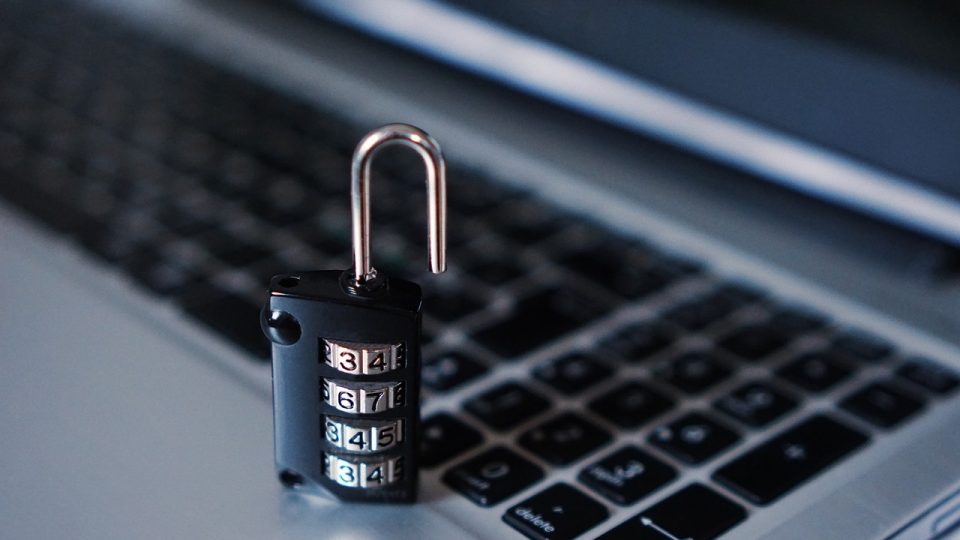
Photo by TheDigitalWay on Pixabay