Tragic Mid-Air Helicopter Collision Near Everest Base Camp Claims Indian Tourist’s Life
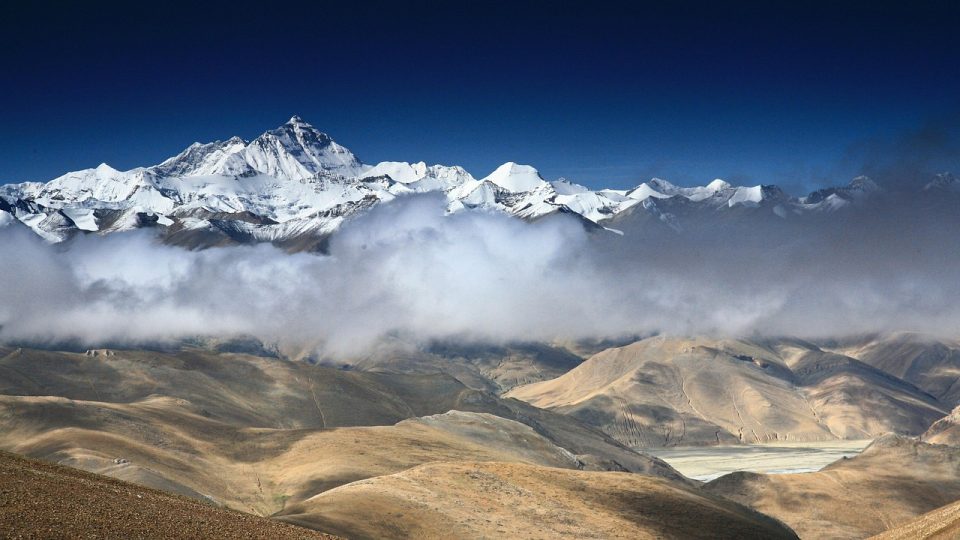
Hey everyone, welcome back to the blog. Today, I’ve got some pretty heartbreaking news to share coming straight from the majestic yet unpredictable Himalayas. If you’ve ever kept up with adventure travel or mountaineering news, you probably know that getting around the roof of the world isn’t for the faint of heart. Tragically, that reality hit hard recently during a routine transport operation near the world’s most famous peak.
According to official reports, an Indian tourist has tragically lost his life following a mid-air collision involving two helicopters. The incident took place as the aircraft were attempting to land near the base camp of Mount Everest. Aviation accidents in this part of the world always shake the community, and this latest event is no exception.
What Happened in the Skies Over Pheriche?
Let’s break down what we know about how the tragedy unfolded. The collision happened around 08:15 local time in Pheriche, a village situated roughly 12 kilometers south of Mount Everest Base Camp. If you look at a map of the region, Pheriche sits at an altitude of just over 4,000 meters above sea level and serves as a major stop along the popular trekking route leading up to the world’s tallest mountain.
Verified footage capturing the moment of the crash shows the main rotor blades of two separate helicopters clipping each other mid-air just as they were coming in to land. Representatives from Nepal’s Civil Aviation Authority noted that preliminary signs suggest the accident occurred because both helicopters were trying to land at the exact same spot.
Interestingly, if you watch the video footage, the weather conditions actually appear remarkably clear. There were no visible signs of strong winds or heavy turbulence that typically plague high-altitude aviation. However, the footage does show one of the helicopters making a noticeably more rapid descent than the other right before the impact.
The Aircraft and the Casualties Involved
The two helicopters involved belonged to different commercial operators heavily active in the region. One of the aircraft was operated by Fishtail Air. The company later released a statement identifying the tourist who died in the crash as Vasanth Kumar Balaramudu.
Fishtail Air also confirmed that another passenger and the helicopter’s captain sustained injuries during the crash. Fortunately, quick-thinking bystanders and rescue teams sprang into action, rushing to the wreckage site to help. The injured crew member and the surviving passenger—who officials later identified as a tourist from New Zealand—were swiftly rescued and flown directly to Kathmandu for medical treatment.
The second helicopter involved in the collision was operated by Air Dynasty and was primarily carrying cargo at the time. Thankfully, the sole crew member operating that particular aircraft walked away from the incident without any injuries.
The Hazardous Reality of Himalayan Aviation
If you’ve ever thought about trekking to Everest or marvelled at documentaries about Himalayan mountaineering, you probably noticed how heavily everyone relies on aviation. Because of the brutally rugged and challenging terrain, helicopters are the ultimate lifeline in this region. They transport everything from eager tourists and climbing gear to essential food supplies and medical emergencies.
At the same time, operating aircraft at these extreme altitudes is an immense challenge. Even though the weather looked calm during this specific incident, the Himalayas are notorious for rapidly changing atmospheric conditions, unpredictable wind currents, and thin mountain air that tests both pilot skill and machine performance. Right now, autumn is a peak climbing season in the region, with various expeditions actively underway on Everest and nearby peaks like Ama Dablam, meaning air traffic in the valleys is busier than ever.
It is always heavy news when an adventure goes wrong in such a stunning part of the world. Our thoughts go out to the family and friends of Vasanth Kumar Balaramudu, as well as to everyone recovering from their injuries in Kathmandu. Stay safe out there in your travels, folks, and I’ll see you in the next post.
source: feeds.bbci.co.uk (www.bbc.co.uk)
