Say Goodbye to Rice Grains in UK Rice Krispies Thanks to Wild Weather
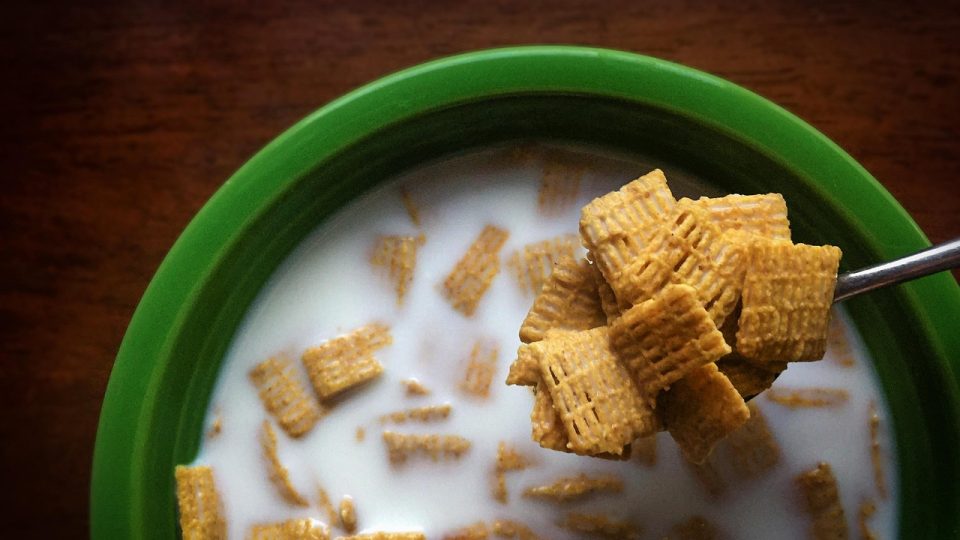
Hey there, cereal lovers and fellow breakfast table enthusiasts! Grab a spoon and pull up a chair because we need to talk about a pretty wild shake-up happening in the world of breakfast cereals. If you are based across the pond in the UK, your morning bowl of Rice Krispies or Coco Pops is about to undergo a surprisingly major identity crisis. That is right—the cereal giant Kellogg’s has officially decided to stop using actual rice grains in those beloved boxes over there.
I know, I know. It sounds like one of those bizarre internet rumors or a prank you would see circulating on social media, but it is 100% true. Climate shifts and unpredictable weather patterns are officially messing with our comfort foods. So, what on earth is actually going into the box now? Let’s dive into the details and unpack this whole situation together.
The Climate Crisis Hits the Cereal Bowl
We usually hear about extreme weather ruining things like coffee crops, olive oil production, or wine vineyards. But rice? Yep, rice is taking a massive hit, too. According to the folks at Kellogg’s, shifting weather conditions have completely thrown a wrench into their supply chains. Specifically, crucial rice-producing regions in Asia have been battered by severe dry weather, triggering disappointing harvests and sending prices skyrocketing.
Because getting a steady, reliable supply of traditional rice grains has become such a headache, the company made the tough call to pivot. Instead of sticking stubbornly to the old way of doing things, they are swapping out the real rice grains entirely. In their place, shoppers will now find corn flour and rice flour doing the heavy lifting in the factory.
A spokesperson for the company stepped up to explain the decision, mentioning that these updated recipes have been thoroughly tested and evaluated. They also noted that they heavily took customer feedback into account before making such a drastic move. Still, it is a massive shift for a product that has practically defined childhood breakfasts for generations.
What Does This Mean for Your Morning Routine?
If you are wondering whether this recipe tweak is going to throw off your entire morning, you are definitely not alone. Whenever a massive brand messes with a classic product, people get nervous. Will it still crunch the same way? Will it taste totally different?
Kellogg’s wants everyone to take a deep breath and relax. They pointed out that even minor tweaks to a nostalgic product can feel super noticeable to regular buyers, which is why they approached this transition with a lot of caution. The primary goal behind the recipe makeover is to keep product quality consistent during a time when global weather patterns are playing havoc with raw ingredients.
On the nutritional front, the brand promises that your morning bowl is still holding its ground. They confirmed that both Rice Krispies and Coco Pops will continue to proudly hit all the necessary UK food standards when it comes to salt, fat, and sugar levels. Plus, you won’t find any artificial flavors, synthetic colors, or hidden sweeteners lurking in the ingredients list. All the good stuff—like essential vitamins, iron, and fiber—is reportedly staying right where it belongs in every single serving.
However, there is one important change that allergy sufferers and label-readers need to keep on their radar. Because of the new flour blends being used, the packaging will now feature a brand-new warning label stating that the product “contains wheat gluten.” So, if you or someone in your household has a wheat allergy or intolerance, you will definitely want to double-check those boxes before pouring a bowl.
Is This Happening Everywhere?
If you are reading this from North America, you can put your mind at ease. It looks like this weather-induced recipe change is strictly a UK phenomenon for now. A representative for Kellogg’s North American division confirmed to reporters that Rice Krispies products sold in the United States and Canada will continue to be manufactured using real rice. There are zero plans to alter the recipes on this side of the globe.
It really highlights just how localized and tricky global supply chains can be. Different regions rely on totally different sourcing networks, meaning a climate disaster halfway across the world can hit one market hard while leaving another completely untouched.
The Bigger Picture: Blame El Niño
So, why exactly is the weather throwing such a massive tantrum in Asia’s rice paddies? If you have been keeping an eye on global news or environmental reports, you can probably guess the culprit. We are talking about El Niño.
Most of the global rice supply originates in Asia, a region that has been getting hit from all sides by severe droughts, intense heatwaves, and unexpected floods. A huge portion of this volatility is being driven by the powerful El Niño weather phenomenon. Experts project that this climate pattern is going to severely disrupt crop yields, particularly across South East Asia, which is responsible for producing more than a quarter of the entire world’s rice supply.
To make matters worse, the World Meteorological Organization has warned that this record-smashing El Niño event might stick around and keep influencing global weather until at least 2027. That is a sobering thought, and it suggests that cereal companies and food manufacturers everywhere are going to have to keep getting creative to deal with unstable agricultural markets.
Corporate Shuffling Behind the Scenes
It is also worth noting that the corporate landscape behind our favorite grocery store brands has been shifting dramatically over the last few years. If you feel like the company behind your snacks has changed hands recently, you are totally right.
Back in 2023, the massive global Kellogg Company officially split itself up into two completely separate corporate entities. The larger of the two resulting businesses is called Kellanova. This is the massive global player that handles popular snacks, noodles, cereals, and other household favorites like Pringles, Pop-Tarts, and Eggo waffles. Just to add another layer, Kellanova is now owned by Mars, the confectionery and pet food giant.
The second, separate business entity is WK Kellogg’s, which handles the cereal operations specifically within North America. That branch has since been taken over by the famous Italian chocolate enterprise, Ferrero. With all this corporate restructuring happening in the background, it is fascinating to see how each distinct branch handles regional challenges like crop shortages and changing consumer demands.
Final Thoughts on Our Changing Breakfasts
At the end of the day, this whole situation serves as a pretty wild reminder of how deeply connected our daily lives—and our pantry shelves—are to the health of our planet. When weather patterns shift wildly on the other side of the globe, it eventually trickles down until it changes the very makeup of the cereal sitting in our kitchen cabinets.
Will UK shoppers easily embrace the new corn flour and rice flour blend? Time will tell. But until global climate conditions stabilize, we might want to get used to seeing more food companies adapt their time-tested recipes to survive an unpredictable future.
What do you think about these changes? Would you notice if your favorite cereal swapped its core ingredients, or are you just here for the crunch? Let me know your thoughts down in the comments, and I will catch you all in the next post!
source: feeds.bbci.co.uk (www.bbc.co.uk)