Is There Really a Safest Spot on a Train? Experts Break It Down
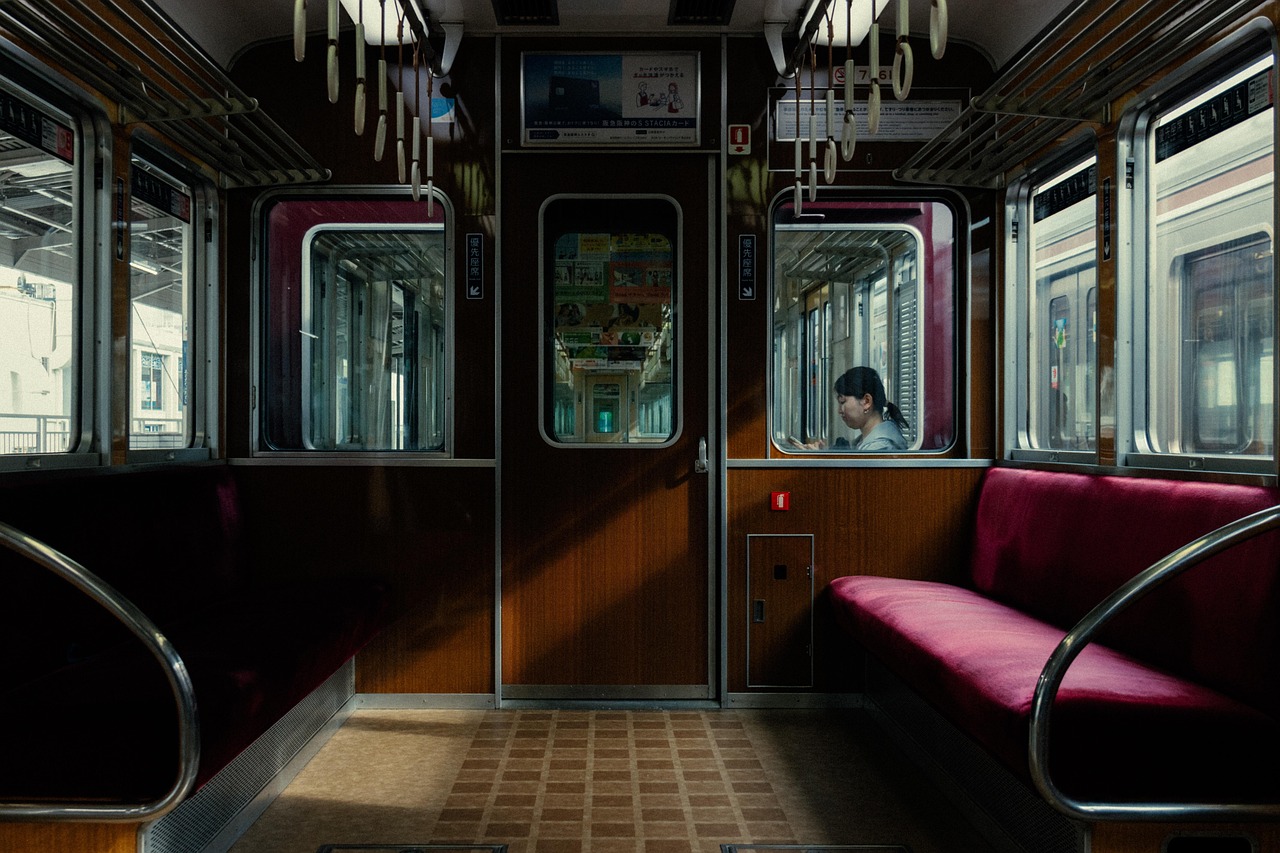
Hey there, fellow travelers! Welcome back to the blog. Today, we are diving into a topic that often crosses our minds whenever we step onto public transit, especially after hearing about tragic events in the news. We all want to know: when we board a train, is there a magical seat that offers the best protection if things go wrong?
A tragic high-speed collision recently happened near Toledo, Spain. The devastating accident resulted in the loss of at least 69 lives, leaving many people shaken and bringing the conversation of rail safety right back to the forefront. Whenever a disaster like this strikes, passengers and transit enthusiasts alike start looking for answers on how to protect themselves during a journey.
Naturally, this brings up a long-standing piece of travel advice that many of us have heard before: the idea that the middle of the train is generally the safest place to sit. But following this recent tragedy, rail safety experts are stepping in to clarify that the situation is far more complicated than a simple rule of thumb.
The Myth of the “Safest Seat”
For years, frequent riders have swapped theories about where to plant themselves in a railcar. Some swear by sitting toward the rear, while others believe the middle cars act as a sort of buffer zone during a collision. After all, the front of the train usually bears the direct brunt of a head-on crash, making the front cars seem like an obvious hazard.
However, safety specialists point out that there is a rough consensus about sitting near the middle having some merit, but it definitely has its limits. Trains are complex, heavy machines moving at incredible speeds, and physics doesn’t always follow a neat blueprint during an emergency.
The truth is, a train crash isn’t a one-size-fits-all scenario. The way a train impacts an obstacle, the speed it is traveling, the terrain, and even how the cars buckle or derail can completely change the dynamics of where the impact forces are distributed. Because of these unpredictable variables, relying solely on a specific car or seat position doesn’t guarantee safety.
What Rail Experts Want You to Know
When looking at rail safety, experts look at the bigger picture rather than just focusing on seat selection. While certain areas of a train might experience less direct impact in specific types of collisions, a severe high-speed crash unleashes massive amounts of energy that can affect the entire structure of the train.
Here are a few realities about train travel and safety based on expert insights:
- Impact Dynamics Vary: Every accident is unique. A rear-end collision, a side-swipe, or a derailment will stress the train cars in completely different ways, meaning the “safest” spot in one crash might be heavily damaged in another.
- Speed Matters: In high-speed collisions, the sheer force involved makes localized seat positioning much less effective as a foolproof safety measure.
- Systemic Safety is Key: Rather than stressing over which seat to book, the primary focus of rail safety remains on preventing accidents entirely through advanced signaling, better track maintenance, and improved train design.
Keeping Things in Perspective
Does this mean we should all stop riding trains and look for alternative ways to travel? Absolutely not! Statistically speaking, trains remain one of the safest and most efficient modes of long-distance transportation in the world. Millions of people commute and travel by rail every single day without incident.
Accidents like the one near Toledo, Spain, are devastating reminders of the risks involved in high-speed travel, but they are also exceptionally rare. They prompt thorough investigations, helping engineers and policymakers find new ways to make rail systems even safer for future generations.
So, the next time you book a train ticket, don’t sweat too much over trying to secure a mythical “safest seat.” Just sit back, enjoy the view out the window, and trust in the rigorous safety standards that keep the global rail network moving forward.
What are your thoughts on train safety? Do you have a favorite spot you always try to book, or do you just take whatever seat is available? Let me know in the comments below, and as always, safe travels everyone!
source: nytimes.com (www.nytimes.com)
Photo by devinedsel on Pixabay