Binance Hack Fallout: New Laundering Tactics and Market Shockwaves
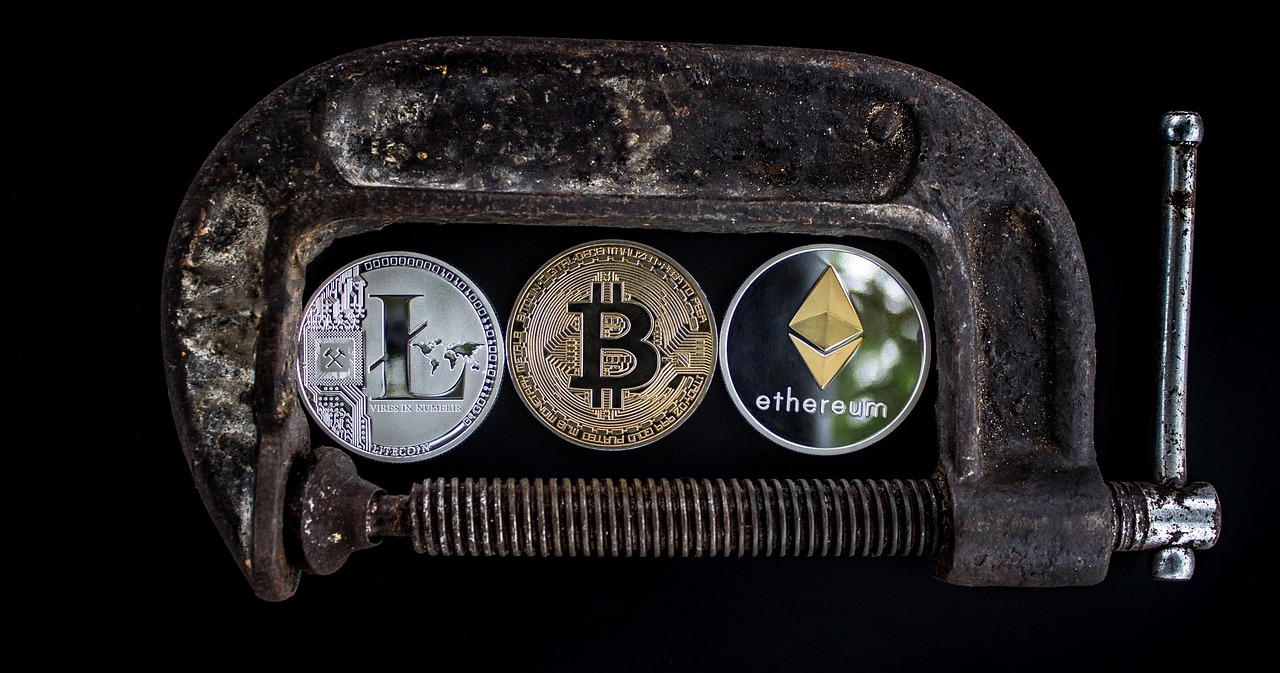
Hey there, crypto watchers! If you thought you’ve seen it all in the wild west of digital assets, think again. Things have been absolute chaos over the past couple of days following that massive security breach at Binance, which could easily turn out to be the largest heist in history. We are talking about a jaw-dropping $6.3 billion vanishing into thin air. Let’s dive into what’s actually happening behind the scenes, from weird new laundering tricks to some very awkward public squabbles on social media.
First off, the blockchain sleuths over at Chainalysis have spotted something pretty wild. The hackers aren’t just dumping their loot; they are deploying brand-new money-laundering tactics that experts have literally never seen before. Instead of simply pushing the stolen funds forward to a new address, they are running thousands of automated transactions in a tiny window of time. They keep bouncing the money back and forth between addresses, even looping funds right back to places they’ve already visited in the sequence. It’s basically a digital shell game designed to make the paper trail vanish.
Why all the frantic moving around? Well, a huge chunk of the stolen crypto was sitting in stablecoins like USDC and USDT. Unlike Bitcoin and Ethereum, stablecoins can actually be frozen by their issuers if law enforcement and industry partners jump in quickly enough. The hackers tried desperately to beat the clock, shoving a cool $500 million of stablecoins into a wallet designed to swap freezable tokens for non-freezable ones. Over a span of twenty minutes, they managed to swap out $325 million into good old Ethereum. Shortly after, they tried to ditch another $175 million into stopover wallets to dodge blacklisting. But the industry moved fast too—by late afternoon, the freezes started rolling in.
Naturally, the authorities are on the case. The FBI has officially stepped up, confirming they are well aware of the mess and are coordinating with public and private partners to figure out the full scope and what needs to be done next. Meanwhile, Binance is also reportedly working alongside law enforcement agencies globally, including the United States Secret Service.
Of course, the drama hasn’t been limited to technical investigations. Over on X (formerly Twitter), things got a little spicy. Michael Saylor, the bitcoin zealot and strategy chairman whose company holds a mountain of Bitcoin, piped up to remind everyone that Binance promised to cover its customers. Considering his company’s share price took a 10% hit, you can definitely see why he’s eager for Binance to keep that promise!
And then there was an awkward exchange involving the co-founder and former CEO of Binance, Changpeng Zhao, and none other than Elon Musk. CZ wasn’t too thrilled after Musk posted a few mocking emojis in response to the hack news—including a grimace reply about how collapsed crypto exchange FTX had once promised it had enough funds for its clients too. CZ fired back publicly, reminding Musk that Binance holds a massive stake in SpaceX from a previous investment, politely asking him to stop trolling and show a little support. Binance’s chief customer service officer Yi He also jumped into the fray, letting everyone know the company’s yearly revenue is enough to cover the losses without needing to sell off those SpaceX shares.
Speaking of markets, the shockwaves are definitely being felt far and wide. The tech-focused Nasdaq slipped early on, dragged down by weak forecasts from Intel which sent chip stocks tumbling. In the crypto world, publicly traded companies tied to digital assets took a brutal beating. Coinbase shares dropped over 11%, and Strategy fell by 10% right at the opening bell.
As for Bitcoin itself, the price took a notable tumble, slicing right through the $80,000 support level we’ve been watching closely for weeks. Market analysts are pointing out that this breach really put a dent in market confidence. Bitcoin slid toward $76,000, and analysts are warning that if it breaks below $75,000, we might be looking at a retest of the summer lows where things dipped all the way down to $60,000.
Experts are also pointing out how these massive hacks usually start. Suzy Pallett, president of the international cybersecurity conference Black Hat, pointed out that incidents like this often trace back to a single human error—like someone accidentally clicking the wrong link or compromising a developer’s laptop—rather than a flaw in the platform itself. She emphasized that untangling these massive financial crimes requires tight, rapid collaboration between journalists, law enforcement, and cybersecurity pros.
Not everyone is fully convinced by Binance’s public promises either. Legal experts from firms like Edwin Coe have pointed out that standard user terms usually limit a platform’s liability, suggesting that the board’s reassuring statements might just be for the press and that getting actual compensation might be a long, complicated road for affected users.
Despite the massive numbers and the market jitters, analysts like Sean Farrell from Fundstrat Global Advisors have tried to calm the waters a bit, noting that right now, the hack doesn’t seem to pose a direct solvency risk to Binance as a whole. Even so, with billions frozen, a nervous market, and investigators digging through completely unprecedented laundering patterns, it’s safe to say this story is far from over.
Stay safe out there, double-check those links, and we’ll keep you posted as this wild saga unfolds!
source: theguardian.com (www.theguardian.com)
Photo by WorldSpectrum on Pixabay