Who is Really Behind the Wave of Hoax Bomb Threats Hitting European Air Travel?
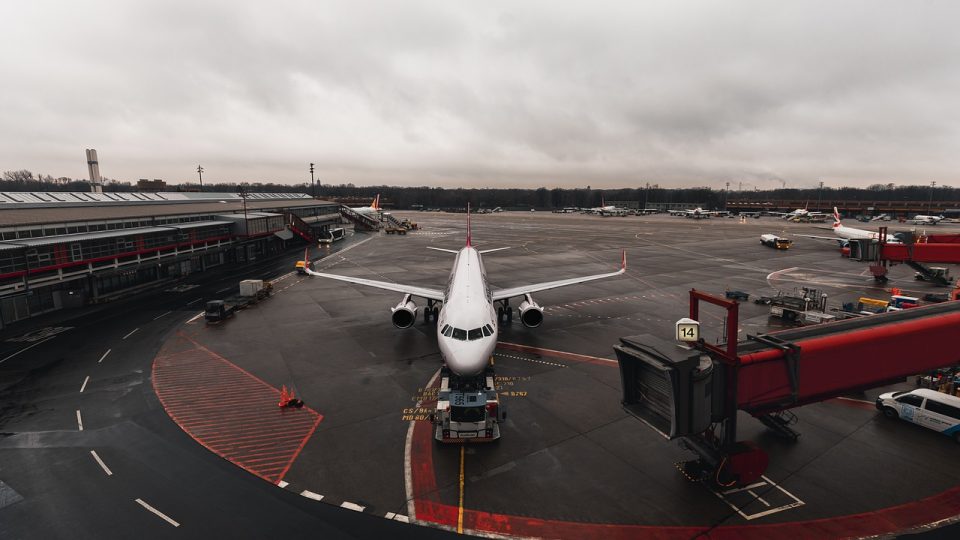
Hey everyone, welcome back to the blog! Today we need to talk about something pretty unsettling that’s been going on across the skies of Europe. Imagine sitting comfortably on a flight, maybe reading a book or watching a movie, and suddenly hearing that your plane has to divert immediately because of a bomb threat. Sounds like a total nightmare, right? Unfortunately, that exact scenario became a reality for passengers on multiple flights just recently.
Security forces and aviation authorities across the continent have been scrambling around the clock, trying to piece together clues and figure out who is pulling the strings behind a massive wave of fake bomb scares. Let’s dive into what actually happened and look at why everyone is scratching their heads over who might be responsible.
A Coordinated Chaos in the European Skies
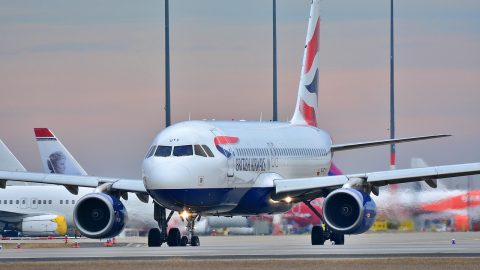
If you thought one or two isolated incidents were bad enough, the recent situation was on a completely different level. Warnings started rolling in thick and fast, hitting one major airline and airport after another in rapid succession. When the dust finally settled, at least 21 different flights and multiple airports across Europe found themselves directly in the crosshairs of these malicious threats.
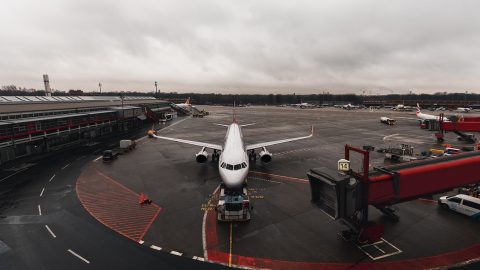
Now, protocol is protocol, and safety always comes first in aviation. In almost every single instance—with London’s massive Heathrow airport being a notable exception—authorities took the warnings seriously enough to trigger immediate action. We are talking about commercial aircraft being forced to divert mid-journey to safe locations. In Italy, the situation escalated even further when officials actually scrambled fighter jets to escort a threatened plane. Talk about a high-stress situation!
Thankfully, after thorough investigations, all of these terrifying threats turned out to be completely false hoaxes. Everyone landed safely, and no explosives were found. But as security experts are quick to point out, just because these specific threats were fake doesn’t mean the authorities can afford to let their guard down. You can never assume the next one won’t be the real deal.
Pointing Fingers: Is Moscow Behind the Chaos?
Whenever a series of coordinated, disruptive events hits multiple European nations at the same time, people naturally start looking for a mastermind. Given the current geopolitical climate, it’s hardly surprising that many suspicion-filled fingers are pointing straight toward Russia.
Think about everything else that has been happening lately. Earlier this year, we witnessed a whole string of strange occurrences: mysterious drone sightings hovering over sensitive infrastructure sites, and various cyber-attacks. Just recently, things got even weirder with the remote hacking of supermarket freezers and even a blood bank. We’ve also seen suspicious incidents pop up right on the border between Poland and Germany, alongside an actual drone attack back in August on Germany’s Leipzig Halle airport—an incident where the German interior minister publicly placed the blame squarely on Moscow.
Because of all this background noise, a lot of observers are arguing that these fake airline threats must be another classic chapter out of the modern warfare playbook. People call it “hybrid warfare,” “grey zone” tactics, or “sub-threshold” actions. These are basically hostile moves that damage a country’s infrastructure, stress its society, and create general panic, but they are designed to be completely anonymous and deniable. They sit just under the threshold required to trigger NATO’s famous Article 5 collective defense clause, meaning the West can’t easily mobilize a direct military response.
It’s no secret that Moscow is furious with NATO. The Western alliance’s strong support for Ukraine has effectively stalled the Kremlin’s grand plans to swallow up its neighbor and wipe out its independence. Moreover, some pro-Kremlin online bloggers have openly argued a sort of twisted logic: if Ukrainian drones are making Russian airports unsafe, and Western sanctions are actively blocking Russian planes from flying through European airspace, why shouldn’t Western citizens and nations feel a little bit of that same pain and inconvenience?
The Missing Link and a Suspect Name
Despite all these compelling circumstantial theories, investigators hit a major wall early on. As of Thursday evening, officials confirmed that there was zero hard, concrete evidence directly linking these specific airline hoaxes to Russia, Iran, or any of their proxy groups.
However, an intriguing clue did pop up in one specific location. On Thursday morning, airport authorities in Rome received a threatening email from a sender claiming to be the “Fighters of the Male State.”
That particular moniker likely points back to a known entity: the Russian group called Muzhskoi Legion, or the “Male Legion.” This is a radical, ultra-right organization holding views so extreme that a Moscow court actually banned them back in 2021. Despite being officially outlawed, the group managed to keep tens of thousands of dedicated online followers on messaging apps like Telegram, where they loudly cheered on the full-scale invasion of Ukraine when it kicked off the following year.
Even so, investigators know better than to take things at face value. Even if that email sent to Rome was genuinely tied to that extremist ideology—and realistically, anyone could easily hide behind a well-known group’s name just to cause confusion—it still doesn’t automatically hand the police the smoking gun they need. It’s a far cry from providing the definitive leads that transport ministries and national police forces require to pin down who is actually generating these disruptive hoaxes and what their ultimate endgame is.
Following the Cold, Hard Leads
At the end of the day, law enforcement agencies don’t have the luxury of running purely on speculation, political tensions, or gut feelings about who the most likely culprits might be. When dealing with national security and public transit safety, investigators have to ignore the noise and follow the cold, hard physical and digital leads—assuming they can actually find them.
As Europe processes this second wave of airline hoaxes hitting within just a single week, the pressure on security intelligence is higher than ever. Tracking down anonymous digital troublemakers is notoriously difficult, but the authorities are working overtime to figure out vulnerabilities and ensure that future disruptions can be handled swiftly and safely.
What do you all think about these strange hybrid warfare tactics? Are we looking at state-sponsored disruption, or just copycat trolls causing widespread panic? Let me know your thoughts in the comments below, and stay safe out there if you’re traveling anytime soon!
source: feeds.bbci.co.uk (www.bbc.co.uk)
Photo by dmncwndrlch on Pixabay